Oracle's AI Data Center Rush Drives Demand for Industrial Power and Cooling
Oracle’s massive investment in AI infrastructure is creating a bottleneck for electricity and heat management. Two industrial firms are stepping in to bridge the gap between cloud ambitions and physical power limits.
Oracle is pouring billions into new data centers to expand its cloud infrastructure for artificial intelligence. While this strategy secures computing power for AI models, it creates a significant physical challenge: these facilities consume vast amounts of electricity and generate intense heat. The standard electrical grid often cannot keep up with the speed required for such rapid deployment, leaving a gap that traditional utility connections cannot fill in time.
To address this, industrial companies are becoming critical partners in the AI supply chain. Vertiv and Caterpillar are positioning themselves as key suppliers, providing the specialized power generation and cooling systems necessary to keep these high-density computing environments operational. Their roles have shifted from peripheral support to essential infrastructure for the expanding AI market.
Cooling becomes a major industrial hurdle
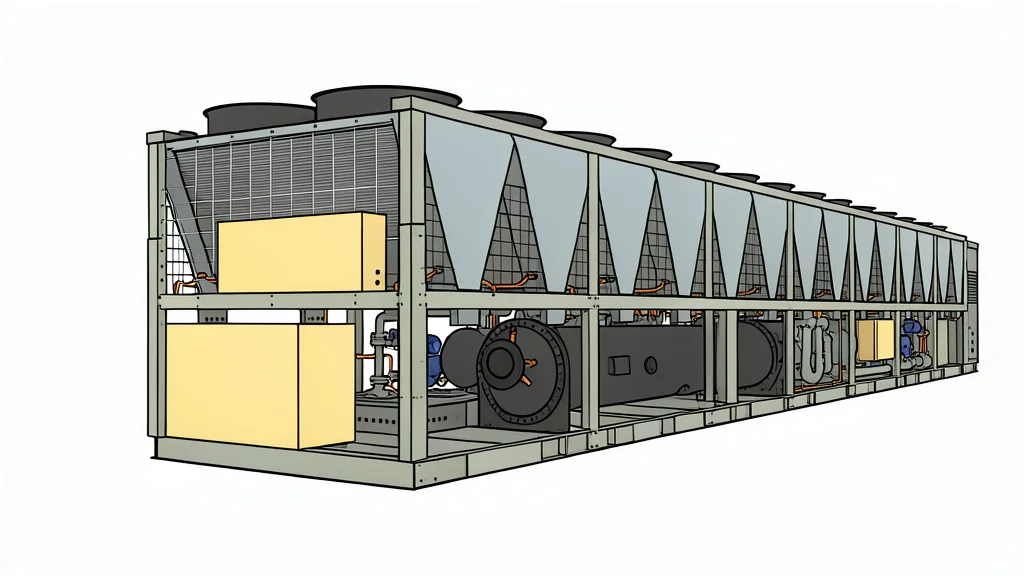
As AI processors become more powerful, the heat they produce requires advanced management systems that go beyond standard air cooling. Vertiv has responded to this demand by significantly expanding its manufacturing capacity. The company reported a 24% increase in sales and announced investments in new factories to produce power management and cooling equipment.
A key focus is liquid-cooling technology, which is essential for high-density computing racks. Vertiv committed to expanding its production of these systems, including a major upgrade to its facility in Ohio. This expansion aims to meet the growing need for efficient heat removal, ensuring that the powerful chips used in AI models do not overheat during operation.
Bridging the grid connection delay
Connecting a new data center to the public electrical grid can take years, a timeline that does not align with the rapid expansion of AI capabilities. Caterpillar is addressing this by supplying on-site power generation solutions. The company is providing natural gas turbines and generators that allow data centers to operate independently of the grid while waiting for permanent connections.
Caterpillar has expanded its manufacturing footprint to handle the rising demand for these power units. In one notable project, the company agreed to support a high-performance computing campus in Utah with a fleet of gas generators. This approach allows operators to bring computing capacity online much faster than waiting for utility infrastructure upgrades.
Integrated solutions accelerate deployment
Recognizing that power generation and cooling are interconnected problems, Caterpillar and Vertiv have begun collaborating directly. By combining Caterpillar’s power generation equipment with Vertiv’s distribution and cooling systems, the two companies are developing integrated solutions. This partnership aims to streamline the deployment process, allowing data centers to be powered up and cooled more efficiently.
This shift highlights a broader trend in the tech industry. As companies like Oracle continue to invest in AI infrastructure, the focus is expanding beyond software and chips to the physical industrial systems that support them. For investors and observers, the reliability of these industrial components is now a critical factor in the success of the AI buildout.