India's 10-Minute iPhone Delivery Model Faces Immediate Stock Limits
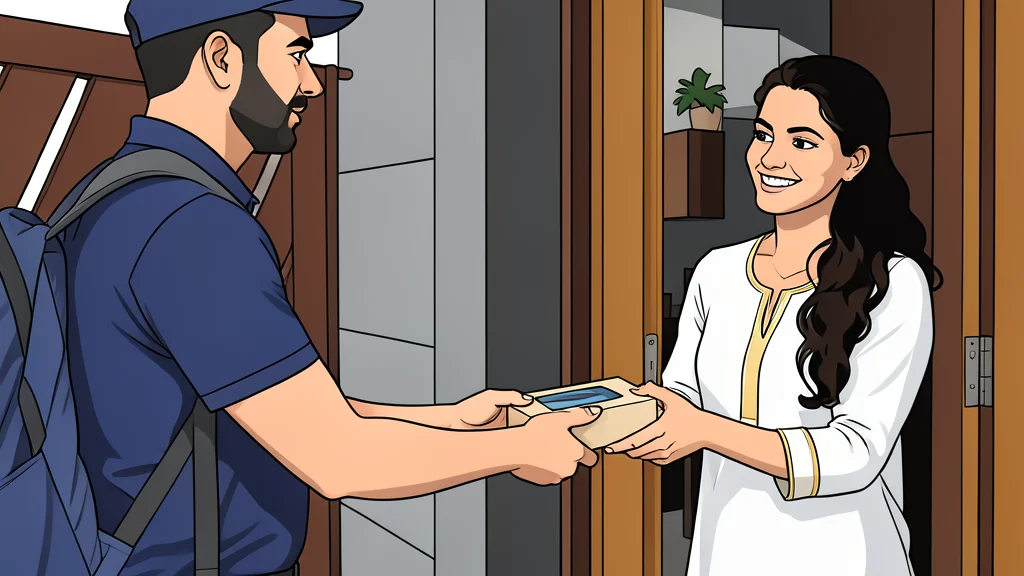
Quick-commerce apps in India delivered new iPhone 18 Pro models within minutes, but this convenience came with a catch: immediate stock depletion in major cities. While the speed is impressive, the volume of these ultra-fast sales remains a small fraction of total market demand.
In a notable shift for high-end electronics retail, some customers in India received their new iPhone 18 Pro devices within ten minutes of ordering. Major quick-commerce platforms, including Blinkit, Zepto, and Instamart, listed the smartphones on their apps on launch day, allowing users to bypass traditional retail channels and receive the hardware directly to their doorsteps. This development marks a significant expansion of the quick-commerce sector, which has traditionally focused on groceries and daily essentials, into the high-value electronics market.
The rapid fulfillment capability caught many by surprise, as these services are known for their hyper-local logistics networks rather than premium tech retail. According to reports from GN technics/mobile (en-US), the integration of Apple devices into these instant delivery apps highlights a growing consumer preference for immediate gratification, even for expensive purchases. However, the experience was not uniform, with stock levels fluctuating rapidly across different urban centers.
High demand outpaces initial inventory
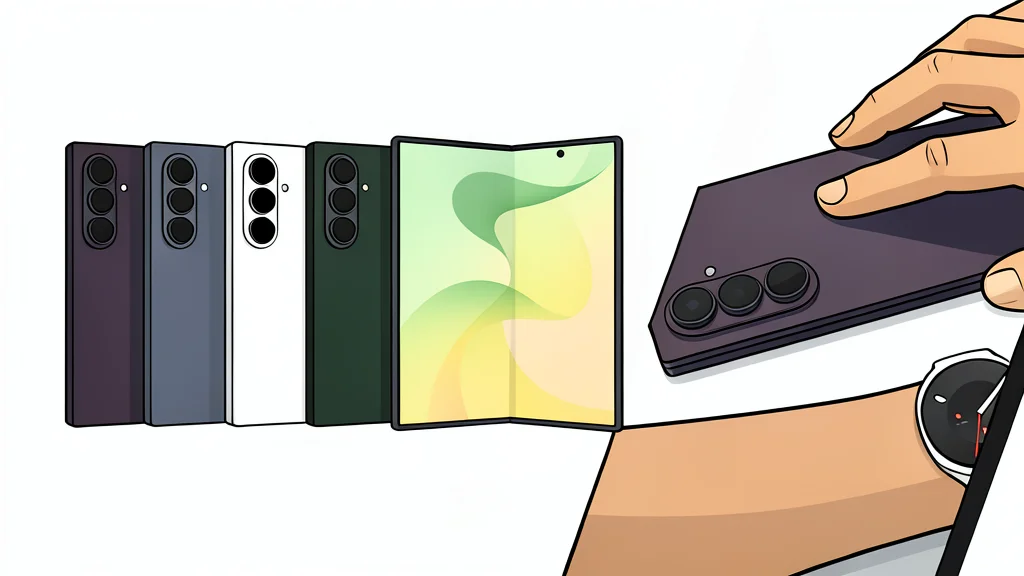
The speed of delivery was matched by the velocity of sales. BigBasket reported dispatching over 300 units of the iPhone 18 Pro series in just the first hour of availability. Instamart noted that Bengaluru and Delhi were the primary hubs for these orders, with the burgundy 256GB model emerging as the top choice, representing nearly a third of all sales on their platform. This concentration of demand in specific metropolitan areas suggests that the quick-commerce model is currently most viable in dense urban environments where logistics hubs are closely spaced.
However, this high initial velocity led to immediate availability issues. Within hours of launch, several platforms reported sold-out statuses for specific models and regions, even while other areas in the same cities still had stock. This uneven distribution illustrates a key trade-off of the quick-commerce model: while it offers unparalleled speed, it lacks the deep inventory buffers of traditional online marketplaces or physical stores, making it vulnerable to rapid sell-outs during peak demand periods.
Quick commerce grows beyond groceries
The inclusion of smartphones is part of a broader trend in India's quick-commerce sector. Market analysts estimate that the sector reached approximately $9 billion in revenue in the first half of 2026, with monthly active users surging from 8 million to over 60 million in just three years. Forecasts from Google and Deloitte suggest the market could expand to $50 billion by 2030, driven largely by non-food categories such as electronics, fashion, and cosmetics, which are projected to account for 45% of total spending.
Premium sales remain a niche segment
Despite the impressive launch-day numbers, industry experts caution that this channel is not yet a dominant force in smartphone sales. Tarun Pathak from Counterpoint Research noted that while launch-day deliveries demonstrate the potential of quick commerce for premium devices, the overall volume remains small compared to total iPhone sales. Navkendar Singh from IDC added that India’s unique urban infrastructure and consumer trust in these services make it a distinctive market for this format, but it has not yet replaced traditional retail as the primary channel for high-end electronics.
For consumers, the 10-minute delivery option serves as a convenient alternative rather than a primary purchasing method. The trade-off is clear: you gain immediate access to the device but face a higher risk of limited color or storage options due to localized stock constraints. As the quick-commerce sector continues to evolve, its role in the electronics market will likely remain specialized, catering to those who prioritize speed over the broader selection and inventory reliability of traditional retail channels.