Samsung Unveils Fold8 Ultra with Thinner Design and Stronger Camera
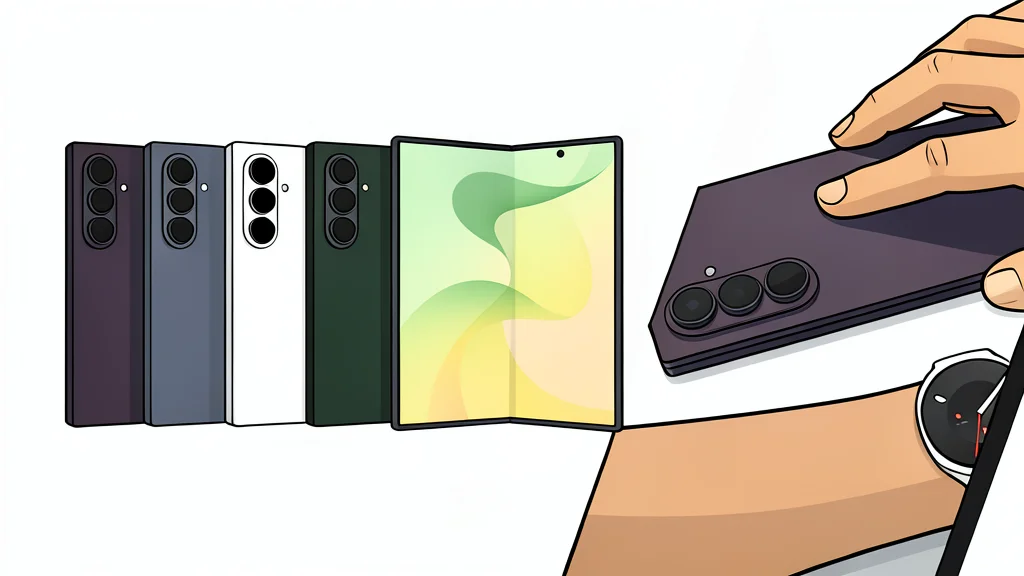
The new device pushes foldable technology further with a slimmer profile and enhanced camera capabilities, but it comes with specific trade-offs for everyday users.
Samsung has introduced the Galaxy Z Fold8 Ultra, a device that redefines the category of foldable smartphones. According to GN technics/mobile (en-US), the phone moves away from the bulkier designs of previous generations by focusing on a thinner, more refined form factor. The primary selling point is the balance between a large, tablet-like internal display and the portability of a standard smartphone.
The core appeal lies in multitasking. When unfolded, the device allows users to run multiple applications side-by-side, functioning more like a mini-laptop than a traditional phone. This shift aims to capture users who need productivity tools on the go, offering a seamless transition between phone and tablet modes without the need for separate devices.
Slimmer Design Enhances Daily Usability
A significant improvement in this model is the reduction in thickness. The phone measures only 9.7 millimeters when folded, making it easier to carry in a pocket or small bag. This design choice addresses a common complaint about foldables being too bulky for everyday use. The hinge mechanism is engineered to support this slimmer profile without compromising the durability of the screen.
However, the trade-off for this sleekness is the complexity of the internal components. While the device is thinner, the engineering required to maintain structural integrity in such a compact space is demanding. Users should be aware that the folding mechanism, while robust, remains a delicate component that requires careful handling to prevent long-term wear.
Camera System Offers High Resolution
Photography enthusiasts will find the camera setup particularly impressive. The device features a 200-megapixel main sensor, which provides high detail for zooming and cropping. Additionally, a 50-megapixel ultra-wide lens allows for capturing broader scenes. This combination offers flexibility for users who want to switch between tight shots and wide-angle views without changing devices.
The high resolution does come with a caveat. Processing images of this size requires significant processing power and storage space. While the quality is superior, users may notice slower save times or larger file sizes, which can be a minor inconvenience for those with limited storage plans.
Battery Life Improves But Remains A Focus
Battery performance has been a historical weak point for foldable phones, but the Fold8 Ultra addresses this with a 5,000mAh battery. According to the specifications, this capacity supports up to 27 hours of video playback, which is a substantial improvement for media consumption. The device also supports faster charging speeds, reducing the downtime needed to top up the power.
Despite these gains, battery life in foldables is still sensitive to screen usage. The larger internal display consumes more power than a standard phone screen. Therefore, while the battery is powerful, users who heavily utilize the multitasking features may find that their actual usage time falls below the advertised maximums. It is a powerful device, but efficiency depends heavily on how the larger screen is used.