iPhone 18 Pro Brings Return of Variable Aperture
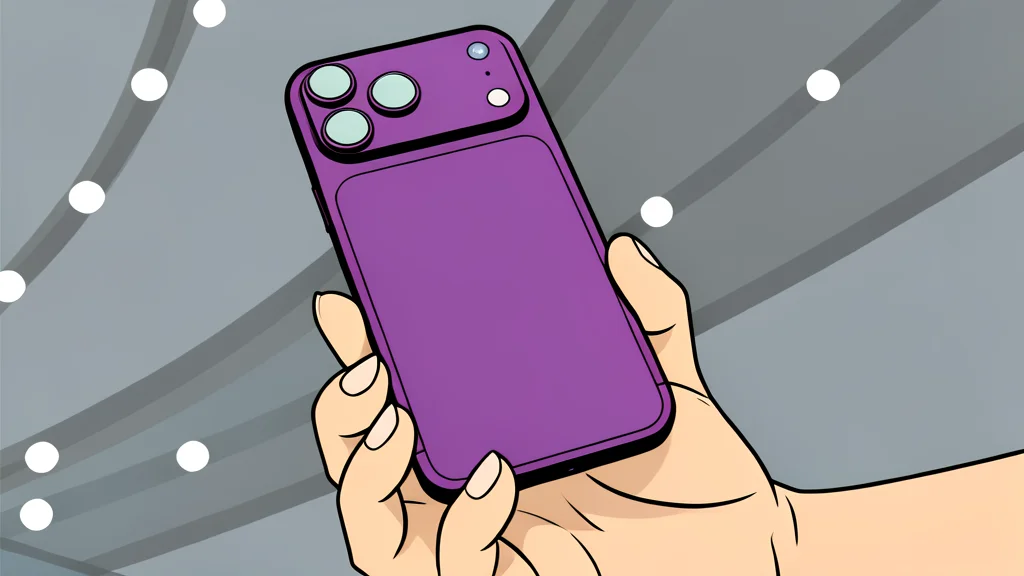
Apple’s latest flagship introduces a physically adjustable camera aperture, marking a significant shift toward manual photographic control for smartphone users.
Apple has finally introduced a mechanically adjustable aperture to the iPhone 18 Pro and Pro Max, a feature that was absent from previous models. This hardware addition allows the camera to physically widen or narrow its light intake, offering users greater control over depth of field and low-light performance than previously possible on the platform.
According to reporting by GN technics/mobile, this update is part of a broader overhaul that includes new manual controls and refined video processing. While the company positions this as a major leap for mobile photography, the move also carries risk, as competitors like Samsung have previously tried and subsequently abandoned similar variable aperture technology due to complexity and user adoption challenges.
Variable aperture mechanics explained
In traditional photography, the aperture controls how much light reaches the sensor. A wide opening captures more light for dark scenes but blurs the background, while a narrow opening keeps more of the scene in focus but requires more light. The iPhone 18 Pro uses six laser-cut blades to adjust between four distinct settings automatically based on lighting conditions.
This mechanical approach differs from the fixed apertures found in most current smartphones, including the iPhone 17 Pro. By allowing physical adjustment, Apple aims to improve group shots and low-light clarity without relying solely on software processing to simulate these effects. The trade-off is increased mechanical complexity, which could impact long-term reliability compared to static designs.
New manual control panel
Alongside the hardware change, Apple has added a dedicated 'Pro controls' section within the camera application. This interface exposes settings for shutter speed, white balance, and a live histogram. Shutter speed determines how long the sensor is exposed to light, affecting motion blur, while white balance corrects color casts from indoor lighting or shade.
The histogram serves as a visual guide for exposure, showing where light levels fall in the image. If the graph clusters to the left, the photo is likely underexposed; if it clusters to the right, it is overexposed. These tools appeal to enthusiasts who prefer manual adjustments over automatic modes, though they add a layer of complexity that casual users may find unnecessary.
Video and processing upgrades
Apple has also updated its computational imaging pipeline to enhance image detail and reduce noise. Photographic Styles now include controls for texture and grain, allowing users to customize the look of their photos more precisely. On the video side, cinematic effects can now be applied in post-production to footage shot at up to 60 frames per second.
A new AI-driven focus system tracks moving subjects more effectively, which is useful for capturing active scenes with pets or children. While these software improvements are significant, the primary differentiator remains the physical aperture. The success of this feature will depend on whether users value the added control enough to justify the potential for mechanical failure over time.