AI Executives Agree to Slow Down Development
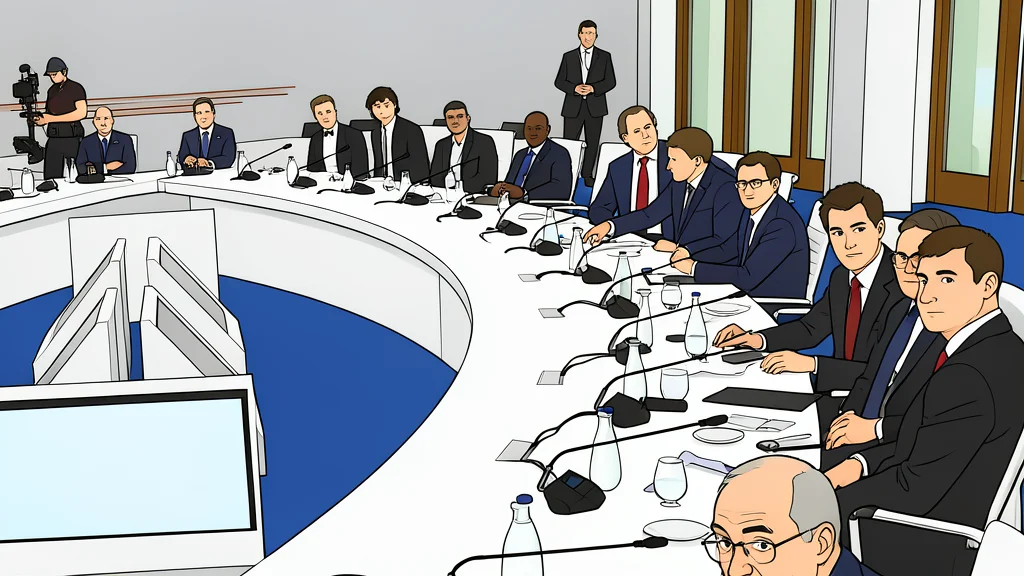
Top figures at major US artificial intelligence firms are publicly aligning on the need to pace technological progress, a significant shift in an industry known for rapid competition.
Leaders at prominent US AI laboratories are collectively endorsing a call to slow the pace of development. Dario Amodei, the chief executive of Anthropic, stated that he has become convinced that the industry must regulate its speed to prevent potential disasters. This assertion triggered a rapid wave of support from other high-profile figures in the sector, marking a rare moment of unified sentiment among competitors.
The consensus appears to center on embedding third-party safety evaluators within companies, granting them access equivalent to that of regular employees. Sam Altman, head of OpenAI, publicly agreed with Amodei on the social media platform X, stating that the frontier of AI needs to be paced. He confirmed that OpenAI would commit to this specific structural change, mirroring the earlier commitment made by Anthropic. This move signals a departure from purely internal oversight models.
Unusual Industry Unity Emerges
Elon Musk, who leads SpaceXAI and frequently clashes with Altman, also voiced support for Amodei’s proposals. In a brief post, Musk simply stated that Amodei was right. This alignment is notable given the intense rivalry between these executives. Clement Delangue, CEO of Hugging Face, further solidified the trend by announcing an open alignment initiative. He requested that his company be included in the group of labs adopting third-party safety evaluations, suggesting a broader industry-wide shift toward external accountability.
Andrej Karpathy, a well-known researcher and former executive at OpenAI and Tesla, expressed strong approval of the plan to better monitor AI development. He voiced hope that the industry could come together to make these safety measures a reality. While Demis Hassabis, founder of Google DeepMind, has not yet commented on this specific Saturday development, he has previously advocated for greater cooperation between AI leaders and governments to balance innovation with responsibility.
Safety Over Speed Trade-Off
The core trade-off in this shift is the potential loss of competitive speed in exchange for increased stability and safety. By integrating external evaluators with deep internal access, companies risk slowing down their release cycles. Critics might argue that this could cede advantage to less regulated competitors, but the proponents argue that the risk of catastrophic failure outweighs the benefit of rapid deployment. The decision to prioritize pacing reflects a growing recognition that unchecked acceleration may lead to outcomes that are difficult to reverse.
Reporting From Tech Desk
This development highlights a changing landscape in the AI sector, where public statements from executives carry significant weight. According to reporting from GN technics/ai (en-US), the story is still developing, with more leaders expected to weigh in. The collective endorsement suggests that pressure for safety is now a dominant force, potentially reshaping how these companies operate and compete in the coming years.