Phone Lease Program Expands to 100 Dealers
A new partnership aims to make smartphones accessible to customers without credit history, but the deal is not yet final.
A new partnership aims to make smartphones accessible to customers who lack traditional credit histories. SurgePays has signed a preliminary agreement with LowWeeklyPayments to expand a rent-to-own program through its network of independent dealers. The move targets consumers who are often excluded from standard financing options, allowing them to pay for devices in small weekly installments rather than making a large upfront purchase.
According to reporting by GN technics/mobile, the program has already secured over 100 dealers. The companies intend to grow this network to 500 locations by the end of the year. This expansion relies on a joint venture structure that combines SurgePays' retail reach with the other company's payment platform, creating a pathway for device ownership without requiring a bank account or good credit score.
How the payment structure works
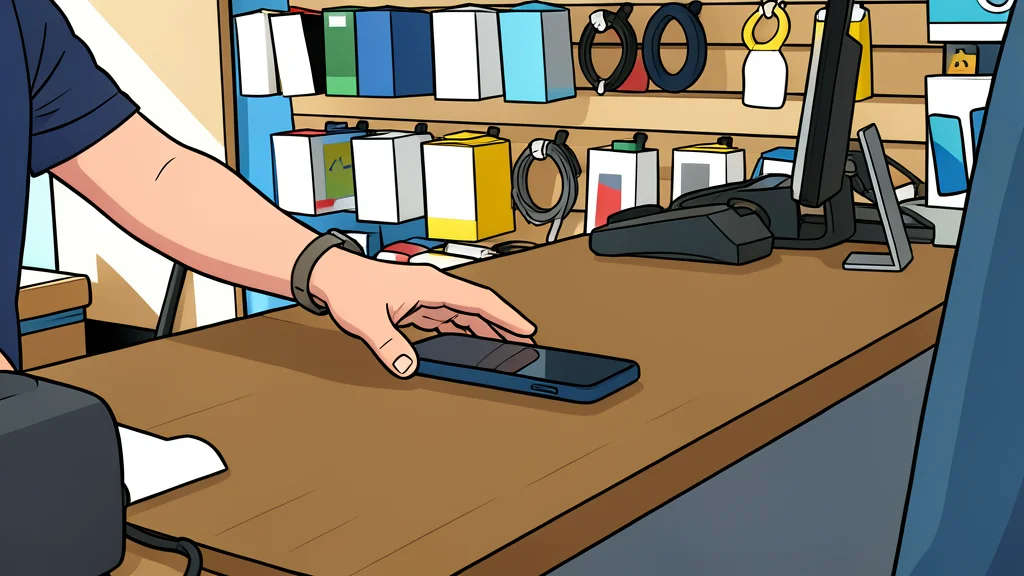
The system functions as a lease-to-own arrangement. Customers apply for a phone and, if approved, take the device home immediately. They then make low weekly payments over a set period. Once the final payment is made, the customer owns the phone outright. This model removes the barrier of a large initial cost, which is often the primary obstacle for low-income consumers trying to upgrade their technology.
The approval process is designed to be inclusive. It does not rely on traditional credit scores, meaning applicants with poor or no credit history can still qualify. This approach directly addresses the needs of underserved markets that are typically turned away by conventional lenders. For dealers, it offers an additional revenue stream and a way to serve a broader customer base within their existing stores.
Business deal still tentative
Despite the announced growth targets, the agreement is currently a non-binding letter of intent. This means the two companies have expressed interest in partnering but have not yet finalized the legal and financial terms. A definitive operating agreement is still required before the joint venture can fully launch under its proposed structure. Until that document is signed, the 51-49 ownership split and governance roles remain proposals rather than established facts.
The proposed entity, LWP-SURGE, LLC, is structured as a Wyoming limited liability company. SurgePays would hold the majority stake and serve as the managing member, while LowWeeklyPayments would hold the minority share. This setup allows SurgePays to control day-to-day operations while leveraging the other party's proprietary approval technology. However, investors and dealers should note that significant details regarding funding and long-term obligations are still subject to negotiation.
Market reaction to news
The announcement triggered a noticeable spike in trading activity for SurgePays. Shares rose by 6.6 percent following the news, with volume significantly exceeding the daily average. This surge reflects strong investor interest in the potential for rapid expansion of the dealer network. The market appears optimistic about the ability of this model to generate consistent revenue from a segment of the population that has historically been difficult to serve profitably.
However, the high trading volume also indicates volatility. The stock price remains low, and the non-binding nature of the deal introduces uncertainty. While the potential to reach 500 locations is attractive, the execution risk remains high. The success of this initiative will depend on whether the companies can finalize their agreement and effectively manage the logistics of onboarding hundreds of new dealers within a tight timeframe.