Pixel 11 Uses AI to Capture Fast-Moving Moments

Google's new Magic Capture mode turns video into sharp photos on the standard Pixel 11, solving a common frustration for casual photographers.
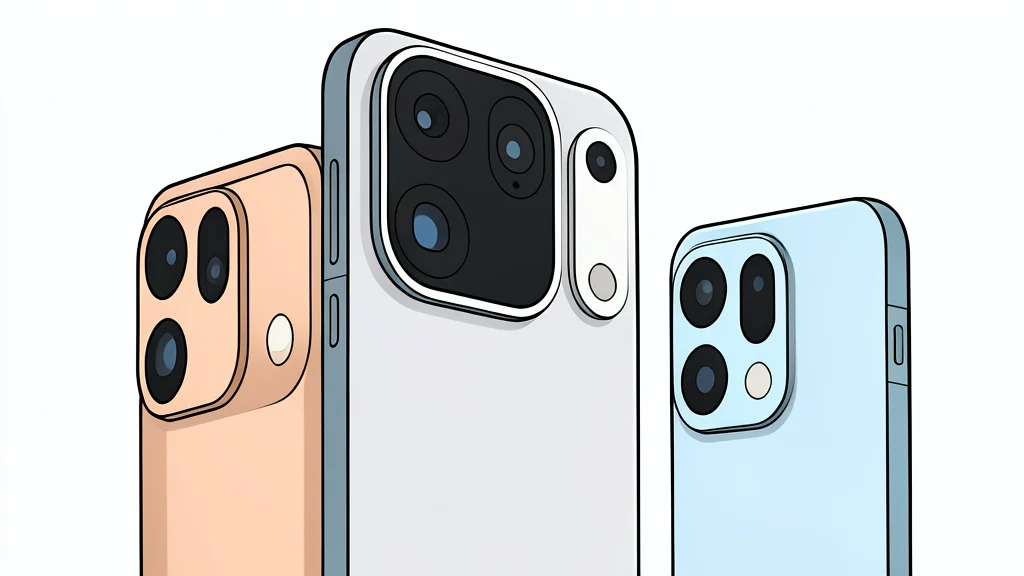
The Pixel 11 may not have new hardware, but it introduces a software feature that changes how casual users capture motion. Magic Capture is a dedicated camera mode that automatically selects the best frame from a short video clip, turning it into a high-resolution photo. This capability is now available on the standard model, not just the more expensive Pro versions.
According to Android Central, this feature addresses a common pain point: taking clear pictures of fast-moving subjects like children or pets. By using on-device artificial intelligence, the phone analyzes video frames in real-time to identify the sharpest moment. The result is a crisp image without the need for manual timing or professional gear.
How the capture process works
When you activate Magic Capture, pressing the shutter button starts a video recording rather than a single snapshot. The phone’s internal AI models scan the footage to find the frame with the least motion blur. It then processes this specific frame into a high-dynamic-range photo. This entire sequence happens locally on the device, meaning no data is sent to the cloud for processing.
The trade-off for this convenience is that the source video is not recorded in 4K resolution. If you are looking for the highest possible video definition, this mode is not the right tool. However, for the primary goal of getting a sharp still image from a moving scene, the reduction in video quality is a minor cost. The feature prioritizes photo clarity over video fidelity.
Navigating the camera interface
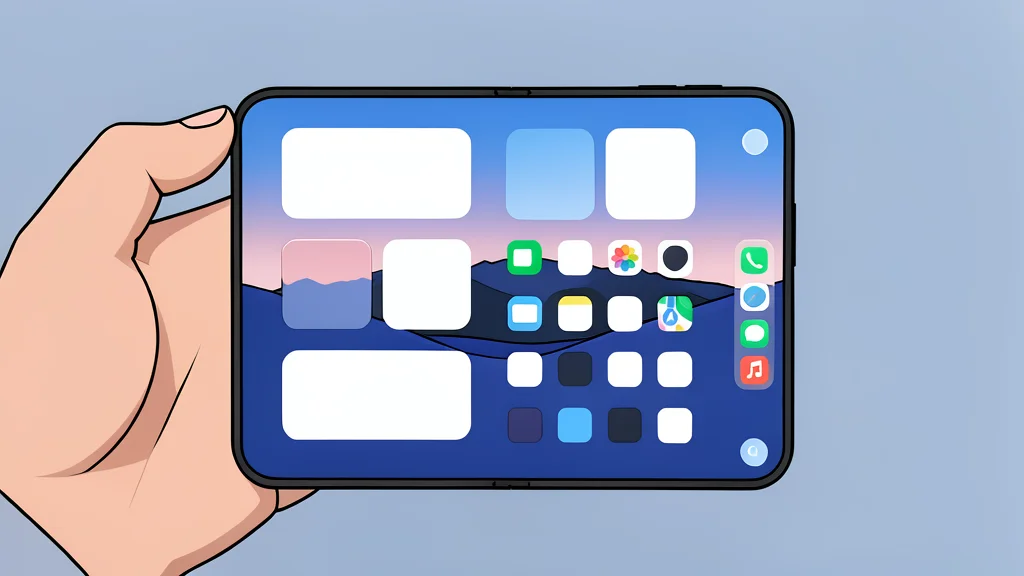
Accessing this feature requires navigating Google’s unique camera layout. Unlike most competitors that have a distinct video mode, the Pixel camera integrates video options into the photo mode. Magic Capture is enabled via a toggle at the bottom of the screen. Users must switch to Photo mode first, then tap the left-most icon to activate the feature before taking a picture.
This interface choice can feel convoluted to users accustomed to simpler menus. The lack of a dedicated video button means you are always in photo mode, even if you intend to record. Once enabled, the system handles the rest, delivering a set of still images along with the original video clip. This allows you to review the best moments while retaining the full context of the scene.
Value for standard users
The inclusion of Magic Capture on the base Pixel 11 is a significant upgrade for mid-range buyers. Previously, advanced computational photography features were often reserved for top-tier models. By bringing this tool to the standard phone, Google narrows the gap in photographic capability between its product lines. The camera hardware remains the same as the previous generation, but the software improvements provide tangible benefits.
While the Pro models still offer superior raw image quality, the standard Pixel 11 now competes more effectively in dynamic scenarios. The on-device processing ensures privacy and speed, as the phone does not need to wait for cloud servers to enhance the image. For users who prioritize ease of use and reliable results over manual control, this feature makes the standard Pixel 11 a compelling choice.