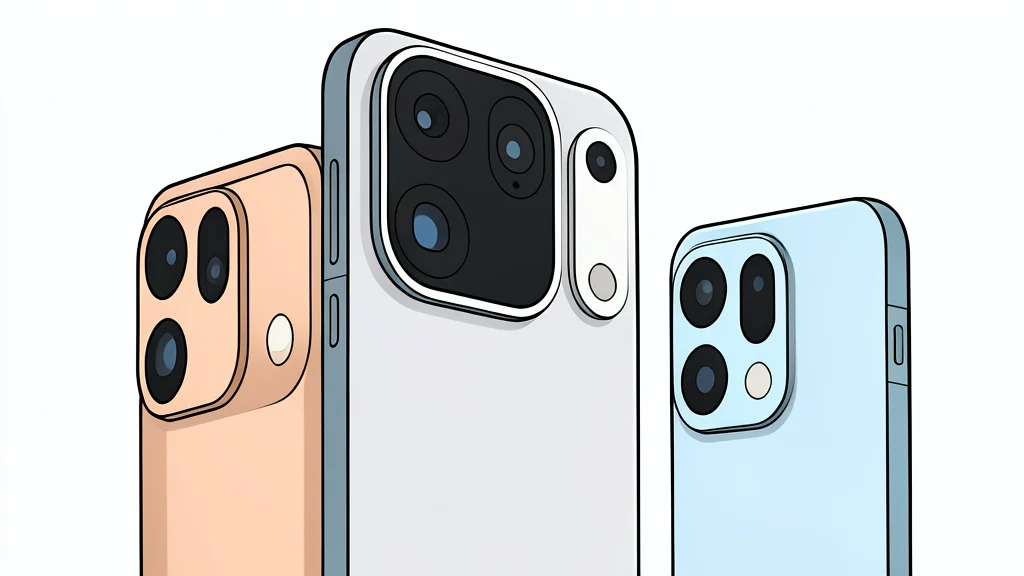
Protecting the New Foldable iPhone Duo
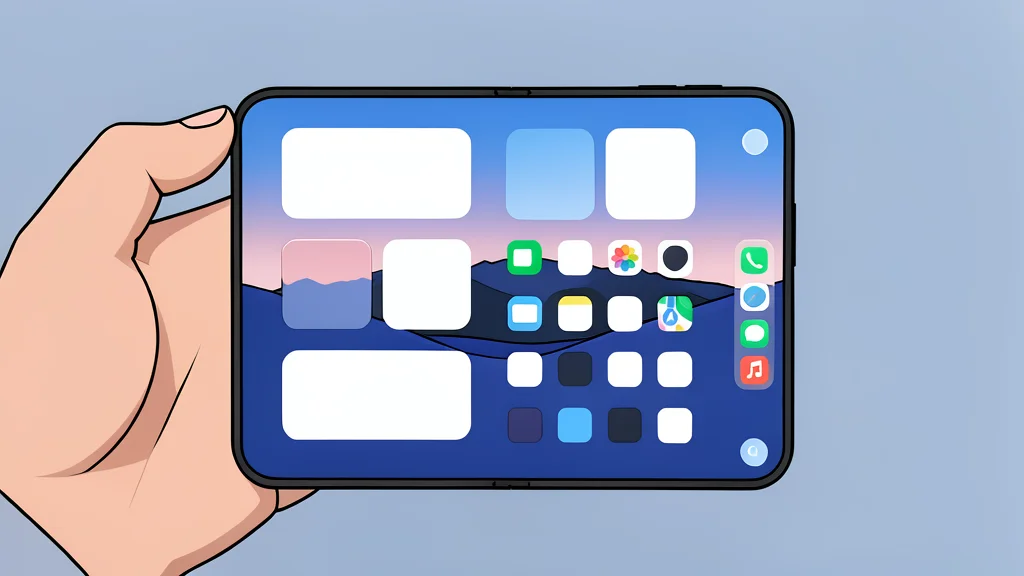
The first foldable iPhone from Apple requires a new approach to protection. Buyers must balance the added bulk of cases against the need to shield a delicate hinge mechanism.
The launch of the iPhone Duo marks a significant shift in how users approach smartphone accessories. Unlike previous iPhones, this device features a foldable design that introduces a mechanical hinge, changing the standard process of selecting a protective case. The device is 11.3mm thick when folded, which is substantially thicker than the 8.75mm profile of the standard iPhone 18 series. This extra bulk means that adding a case is not just a matter of aesthetic preference but a functional decision regarding how the device fits in a pocket and how the hinge operates.
According to GN technics/mobile (en-US), the market has responded with a variety of options, ranging from Apple's first-party solutions to third-party brands like Spigen, Mous, and Nomad. Each approach offers different trade-offs between protection, thickness, and features such as kickstands or magnetic charging compatibility. For Australian buyers considering the base model at AUD$3,499, understanding these differences is crucial to ensuring the accessory enhances rather than detracts from the device's usability.
The challenge of protecting a hinge
The primary complication with the iPhone Duo is the hinge mechanism. Standard rigid cases can interfere with the folding motion, potentially damaging the internal components or preventing the phone from closing fully. Manufacturers must design cases that leave enough clearance for the hinge to move freely while still providing protection for the screens and body. This often results in a two-part construction where the case wraps around each half independently, rather than a single solid shell.
Some brands opt for ultra-thin materials to minimize added bulk, while others use robust polymers or fabrics to offer higher impact resistance. The trade-off is that heavier, more protective cases will inevitably make the device thicker and heavier, which may be a disadvantage for users who prioritize portability. Conversely, very thin cases may offer less protection against drops and scratches, leaving the user to accept a higher risk of surface damage.
Apple's two-part case strategy
Apple offers two distinct first-party options for the iPhone Duo. The standard case is made from polycarbonate with a matte finish and features a two-part design that allows the hinge to function without obstruction. It supports MagSafe and Qi2 25W wireless charging, ensuring that users do not have to remove the case to charge their phone. Priced at AUD$119, it is a premium option, but it offers a guaranteed fit and compatibility with the device's specific mechanical requirements.
For users who want additional functionality, Apple also offers a Folio with Kickstand. This option is crafted from TechWoven fabric and includes an integrated stand that allows the phone to be propped up for video calls or media consumption. While this adds significant utility, it also increases the cost to AUD$199 and adds more bulk to the device. The choice between these two options depends on whether the user values minimalism and lightness or prefers the added convenience of a built-in stand.
Third-party alternatives and trade-offs
Third-party manufacturers are experimenting with various materials and designs to cater to different user preferences. Brands like Spigen and Mous offer rugged protective options that may provide superior drop resistance, though often at the cost of added thickness. Other brands focus on aesthetics, offering leather folios or clear cases that highlight the device's design. These options may provide a different tactile experience or visual appeal, but users must verify that the case does not interfere with the hinge or block the charging magnets.
The variety of available cases means that there is no single best option for every user. The decision ultimately comes down to prioritizing protection, portability, or functionality. Buyers should consider how they plan to use the device, whether they need a stand for media consumption or if they prefer a slim profile for everyday carry. By understanding the specific trade-offs of each case type, users can make an informed decision that aligns with their needs and expectations for the new foldable iPhone.