Moss Creator Polyarc Games Closes After 12 Years
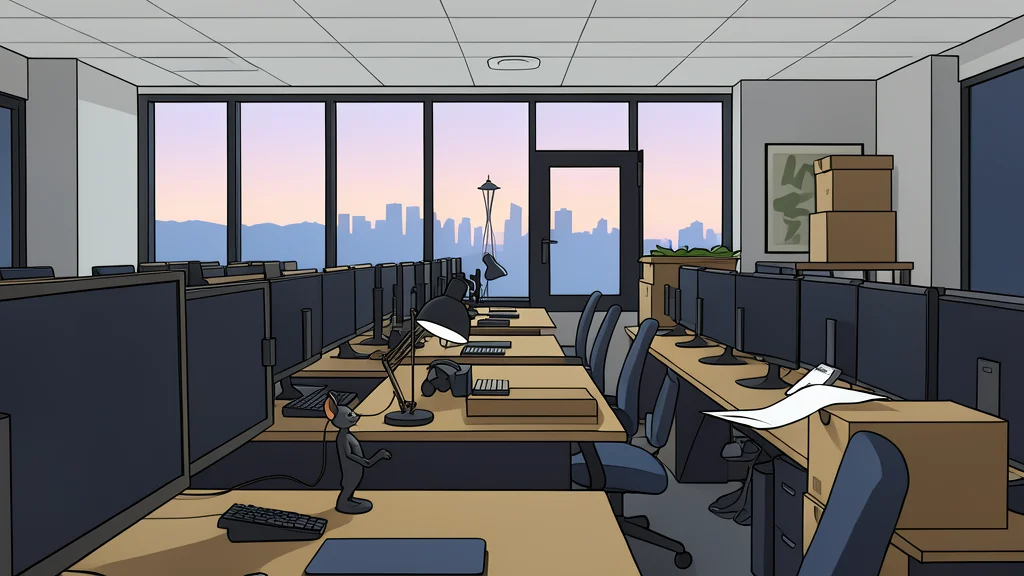
The Seattle studio behind the hit VR game Moss is closing its doors, leaving 29 employees without work. This marks the final end for a company that once defined the genre, following a year of severe industry cuts.
Polyarc Games, the Seattle-based studio responsible for the acclaimed Moss virtual reality series, has confirmed it is shutting down. The announcement, made on September 11, 2026, ends nearly 12 years of operation for one of the most decorated small studios in the VR space. The closure results in the dismissal of 29 employees, including co-founders Chris Alderson and Danny Bulla, as well as CEO Tam Armstrong, according to reports from Engadget and PC Gamer.
This decision follows a turbulent period for the studio, which cut roughly two-thirds of its staff in March 2026 after losing funding for a major project. The studio shipped one final release in July before deciding to cease operations entirely. As noted by GN technics/gaming (en-US), this move fits a broader pattern of instability in the gaming sector, where layoff numbers have consistently exceeded early-year forecasts.
A Sudden End to a Long Run
The shutdown notice was posted on a Friday afternoon, a timing that has become common in the industry this year. Polyarc did not describe the move as a restructuring or a temporary pause; instead, it framed the event as the definitive end of the company. Active development has ceased immediately, and staff are departing according to their individual timelines.
In an effort to support its departing team, the studio published contact information and portfolios for employees to help them find new positions quickly. This gesture highlights the difficult labor market for game developers. According to DualShockers, the industry has averaged 44 job losses per day through 2026, making it increasingly hard for skilled workers to secure new roles.
The Statement Reads Like a Farewell
The studio’s public statement, published in full by PC Gamer, carries a personal tone rather than a standard corporate press release. The company described the moment as the end of an era, reflecting on the emotional rollercoaster of creating video games over the past decade. The team thanked each other for their collaboration and expressed pride in bringing surprise and delight to players.
The statement concluded with a simple acknowledgment that their work was finished. Because these words came directly from the studio rather than a third-party summary, they resonated strongly with developers on social media. The message circulated widely within hours, serving as a somber reflection on the fragility of small game studios in the current market.
Funding Challenges Preceded the Closure
The final shutdown was not entirely unexpected. In March, Polyarc laid off approximately 30 people after failing to secure funding for a large project that had been canceled earlier in the year. The studio was left with a skeleton crew of around 15 people heading into the spring. The canceled project had lost its backing in December 2025 while still in development.
Despite Polyarc’s reputation for reliability and its collection of over 160 awards, it could not secure a bridge deal for the lost project. This difficulty in finding alternative financing suggests that the market for narrative and puzzle-platform games has become significantly tighter in 2026. The inability to save even a well-regarded project highlights the harsh financial realities facing smaller studios today.