Smartphones Bring Foot Fitting Out of the Clinic
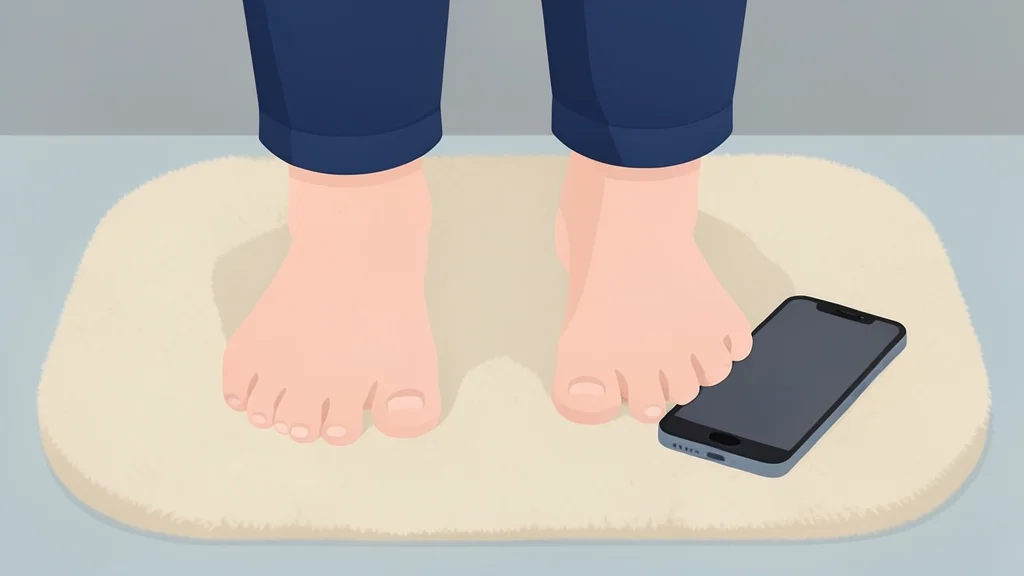
New mobile assessment tools aim to replace hospital visits with home imaging, potentially cutting wait times for personalized insoles.
Getting a custom insole often starts with a time-consuming visit to a specialized clinic. A new approach uses a smartphone camera to capture images of the foot at home, sending the data to a provider for analysis. This shift moves the initial screening phase away from hospitals, aiming to make the process faster and more accessible for consumers who cannot easily travel to a medical facility.
The technology allows users to submit photos that are then evaluated alongside existing foot-profile data. The system distinguishes between normal, high, and low arches to recommend the appropriate insole. According to industry reports from GN technics/mobile (en-US), this method reduces the need for an hour-long in-person screening session, replacing it with a remote digital workflow that can be completed in the comfort of one's own home.
Remote screening changes the workflow
For foot-care businesses, the primary benefit is operational efficiency. Instead of requiring patients to book appointments and travel to a clinic for basic assessment, providers can handle initial screening remotely. This reduces the administrative burden on staff and allows them to focus on the final fitting stage. The goal is to streamline customer intake so that personalized services can be scaled across different markets without adding complexity to the provider's day-to-day operations.
However, the success of this model depends on the accuracy of the remote data. Providers need enough information from the smartphone images to make consistent fitting decisions. If the remote assessment is reliable, it can significantly reduce reliance on in-person consultations for the initial steps. This could make personalized foot care more widespread, as fewer barriers prevent people from seeking treatment.
Data drives personalized accuracy
The assessment process relies heavily on data gathered from users. Companies are using information from Asian populations to refine their algorithms and improve the distinction between different arch types. This data-driven approach helps ensure that the recommended insoles are a good fit for the specific anatomy of the user. By leveraging this historical data, the system aims to provide consistent results that rival traditional clinical evaluations.
There is a trade-off in moving to remote assessments. While it saves time and travel, it requires users to be comfortable submitting personal health-related images via a smartphone. The accuracy of the final product depends on the quality of the images submitted. If the photos are unclear or not taken correctly, the assessment may be less precise. Therefore, clear instructions for users are critical to maintaining the high standards of personalized care.
Scaling care across new markets
If remote screening proves effective, it could transform how foot-care services are delivered globally. By removing the geographic constraint of needing a physical clinic for assessment, providers can reach a broader audience. This is particularly relevant in regions where specialized foot-care clinics are scarce. The technology offers a path to make personalized health services more equitable and accessible, provided that the digital infrastructure supports the data transfer securely.