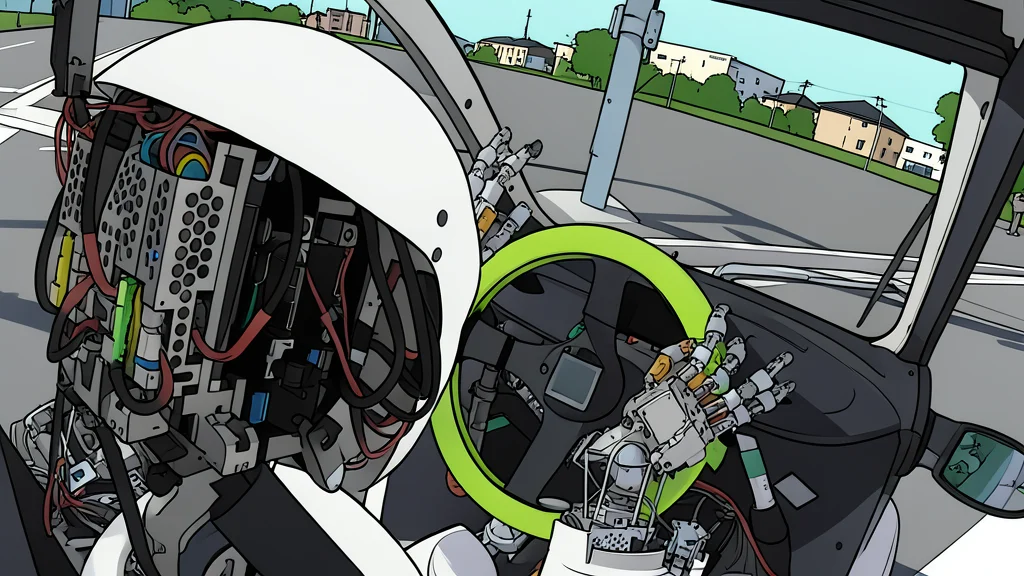
Berkeley's $5,000 Open-Source Humanoid Robot
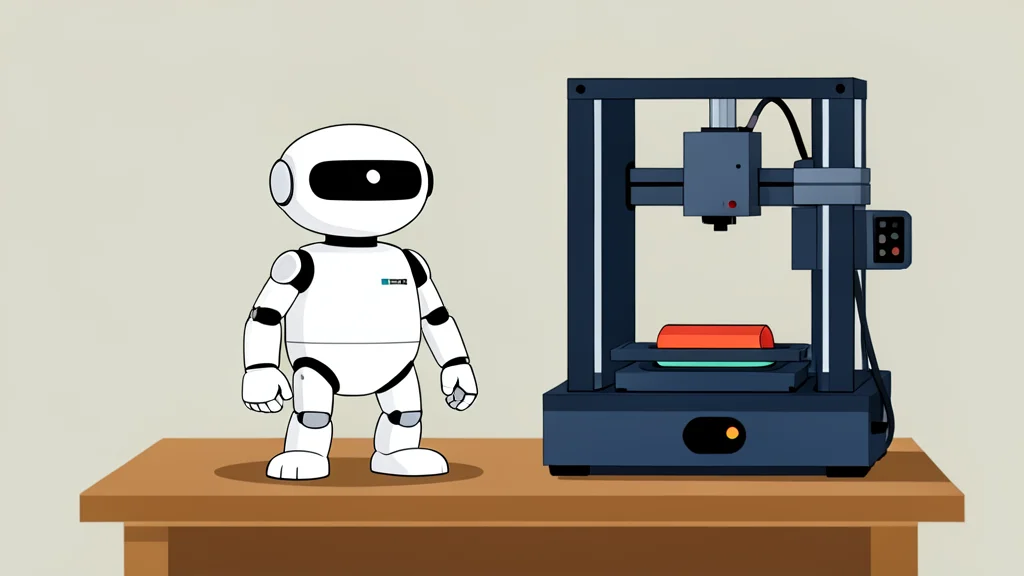
A new open-source robot from the University of California, Berkeley, challenges the high-cost norm of the industry by proving that a functional humanoid can be built for under $5,000 using standard desktop 3D printers.
The University of California, Berkeley, has released a new design for a small, bipedal robot that significantly lowers the financial barrier to entry in humanoid robotics. Known as Berkeley Humanoid Lite, the machine is built entirely from 3D-printed components and off-the-shelf electronics. The total hardware cost stays under $5,000, a fraction of the price of commercial alternatives that often run into the tens of thousands of dollars.
The primary goal of the project is to make the technology accessible to researchers, students, and hobbyists who have previously been locked out by proprietary and expensive hardware. By publishing all design files and code openly, the team aims to foster a broader community that can experiment with and improve upon the design without needing to purchase closed-source systems.
Modular Design Enables Easy Construction
The robot relies on a modular architecture that allows builders to print and assemble parts individually. This approach means that if a component breaks, it can be replaced easily rather than requiring a full system overhaul. The design uses standard materials found on common e-commerce platforms, ensuring that builders do not need specialized industrial equipment or rare parts to bring the machine to life.
A key innovation involves the use of cycloidal gears for the actuators. This specific gear design helps overcome the typical weakness of plastic parts, which often lack the strength and durability of metal. By optimizing the form factor, the engineers created a mechanism that is robust enough for daily use while remaining compatible with standard desktop 3D printers.
Bridging Simulation And Physical Reality
Beyond just standing still, the robot is capable of complex movements such as walking and manipulating objects. The research team demonstrated this by showing the machine playing with a Rubik's cube and writing its own name. These tasks require precise coordination between the robot's limbs and its central processing unit, proving that the plastic construction does not sacrifice functional capability.
The control system utilizes reinforcement learning, a type of artificial intelligence that learns through trial and error. A significant achievement of this project is the ability to transfer policies directly from a digital simulation to the physical robot without any additional training. This zero-shot transfer capability suggests that the platform is stable and predictable enough for serious scientific validation.
Trade Offs Of Open Hardware
While the low cost and open access are major advantages, there are inherent trade-offs. 3D-printed components generally have a shorter lifespan than precision-machined metal parts, meaning users may need to replace gears or joints more frequently. Additionally, the setup requires a degree of technical skill to assemble and calibrate, which might be a hurdle for those without a background in engineering.
Despite these limitations, the initiative represents a significant step toward democratizing the field. As reported by GN auto tech/robotics, the availability of the full codebase and design files on GitHub allows anyone to replicate the project. This transparency encourages collaborative development and could accelerate the pace of innovation in humanoid robotics by involving a much wider pool of contributors.