Apple Watch 12 Adds 15-Second Audio Rewind for Conversations
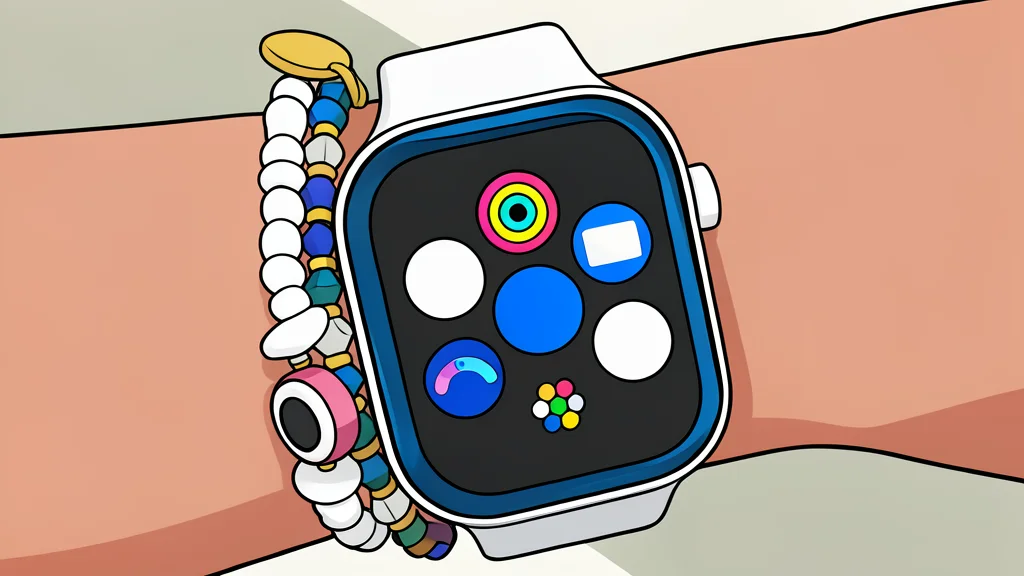
A new audio buffer allows users to instantly replay the last fifteen seconds of a conversation, aiming to solve the common problem of forgetting names or details immediately after hearing them.
Forgetting a name or a specific detail right after it is mentioned is a frustratingly common human experience. Apple has introduced a feature called Live Rewind for the new Apple Watch Series 12 and Ultra 4 that addresses this gap. The system continuously buffers the last 15 seconds of ambient sound, allowing users to instantly replay that audio clip if they need to catch a missed word or confirm a detail.
The feature is designed for immediate, discreet use rather than long-term recording. By double-tapping the digital crown and holding the watch to the ear, or by using paired Bluetooth headphones, users can listen to the recent audio snippet. This functionality is particularly useful in social settings where quick recall of names, directions, or recommendations is necessary, effectively acting as a short-term memory aid for real-time interactions.
How the audio buffer functions
The Live Rewind capability relies on the upgraded S11 processor found in the latest watch models. This hardware allows the device to maintain a rolling buffer of ambient sound without requiring continuous manual activation. Beyond simple audio playback, the system can generate a text transcription of the buffered sound. Users can save these transcriptions for later reference, which is helpful for those who prefer visual confirmation over auditory recall.
According to coverage from GN auto tech/wearables, the feature is positioned as a practical tool for journalists and professionals who need to capture fleeting details. The integration of on-device processing ensures that the rewind action is immediate, eliminating the latency often associated with cloud-based services. This makes the tool viable for fast-paced environments where waiting for a download or sync is not an option.
Privacy safeguards and data handling
Continuous audio capture raises obvious privacy concerns, so Apple has implemented specific constraints. The device does not save audio files to local storage or the cloud. Instead, the 15-second buffer is constantly overwritten by new incoming sound, meaning there is no persistent audio database on the watch. This design choice mitigates the risk of sensitive conversations being stored indefinitely without user intent.
Additionally, the system does not attempt to identify individual speakers, which prevents the creation of speaker-specific profiles. All data processed for this feature is encrypted end-to-end. While the trade-off is that the audio cannot be retrieved after the 15-second window has passed, this limitation ensures that the feature remains a temporary aid rather than a permanent surveillance tool.
Practical limitations of the feature
The primary trade-off of Live Rewind is its brevity. Fifteen seconds is a short window, and if a user does not trigger the playback immediately, the audio is lost forever. This makes the feature useful for immediate clarification but ineffective for archiving longer conversations or interviews. Users must be attentive to the moment they need the information, as there is no retrospective search capability for audio events that occurred minutes or hours prior.
Furthermore, the reliance on ambient sound capture means that background noise can interfere with the clarity of the transcription. In loud environments, such as busy restaurants or crowded events, the utility of the feature may be diminished. Despite these limitations, the tool offers a unique solution for the specific problem of short-term memory lapses in social and professional contexts.