Coway Launches Rental Exoskeleton for Seniors at 50,000 Won Monthly
The device aids walking for non-medical users and costs less than half the price of buying a similar robot outright.
Key points
- Coway offers the 1.6 kg exoskeleton for 50,000 won monthly, undercutting the 2.79 million won purchase price of similar devices.
- The device is designed for seniors with weak muscles, not for medical rehabilitation, and can be worn over regular clothes.
- Coway partners with Woebotics to launch this, its first robotics product, via a five-year rental contract model.
Korean home appliance giant Coway is entering the wearable robotics market with a lightweight exoskeleton designed to assist seniors with daily walking. The device targets individuals who can walk independently but suffer from reduced muscle strength or limited stride length, offering mechanical support rather than medical rehabilitation.
Reported by mk.co.kr, this launch marks Coway's first foray into robotics, moving beyond its traditional rental model for air purifiers and water dispensers. The company partnered with robotics specialist Woebotics to develop the product, which is positioned as a consumer accessibility tool rather than a clinical medical device.
Lightweight design for daily wear
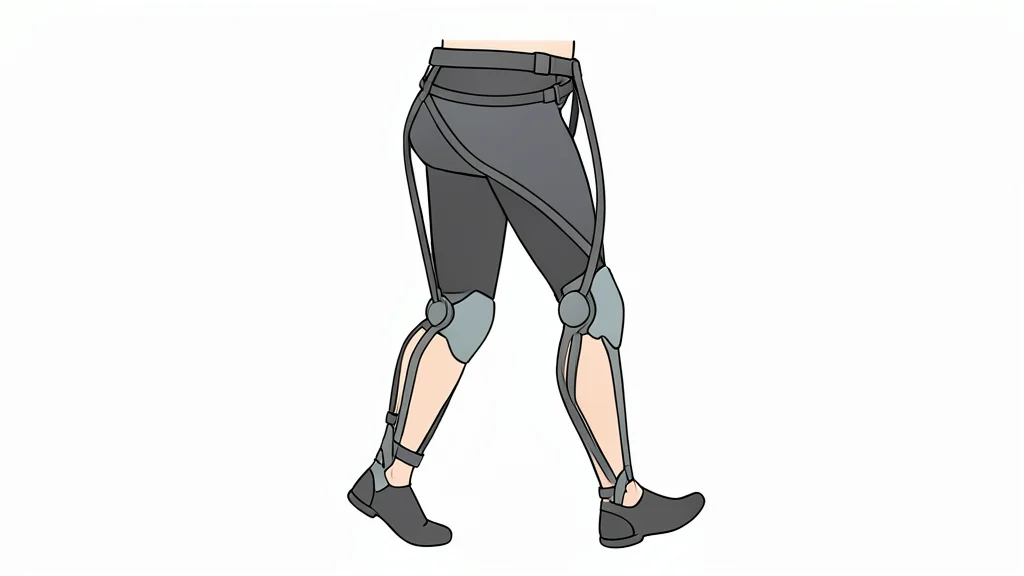
The exoskeleton weighs only 1.6 kilograms, making it one of the lightest options in its category. It consists of a waist-mounted body and leg straps that can be worn over everyday clothing. This design choice aims to reduce the physical burden often associated with heavier robotic aids, allowing users to integrate the device into their routine without significant hassle.
The system includes multiple walking modes to adapt to different terrains or user needs. A companion application generates smart walking reports, tracking the user's progress and changes in mobility over time. This digital feedback loop allows both the user and caregivers to monitor improvements in gait stability and endurance.
Rental model lowers entry cost
Coway plans to offer the device on a rental basis for approximately 50,000 won per month, which is roughly 35 US dollars. The standard contract period is expected to be five years. This pricing strategy significantly lowers the initial financial barrier compared to competitors, where similar devices like the WIMS exoskeleton cost 2.79 million won for a lump-sum purchase.
Performance data and market context
Tests on similar ultra-light walking assist robots showed a 20% reduction in metabolic energy expenditure while walking on flat ground. Users also experienced a 15% increase in stride length due to improved hip motion range. While these figures come from a comparable product, they illustrate the potential physical benefits for elderly users seeking to maintain mobility.
The domestic market for consumer-grade walking assistance is gradually expanding. However, the product is explicitly not classified as a medical device for treatment or rehabilitation. This distinction means it is accessible to general consumers but may not qualify for certain medical insurance reimbursements, placing the full cost on the renter.