Humanoid Robots Learn New Homes from Human Behavior
A new AI model allows bipedal robots to perform household tasks in unfamiliar environments, marking a shift toward general-purpose automation despite current limitations.
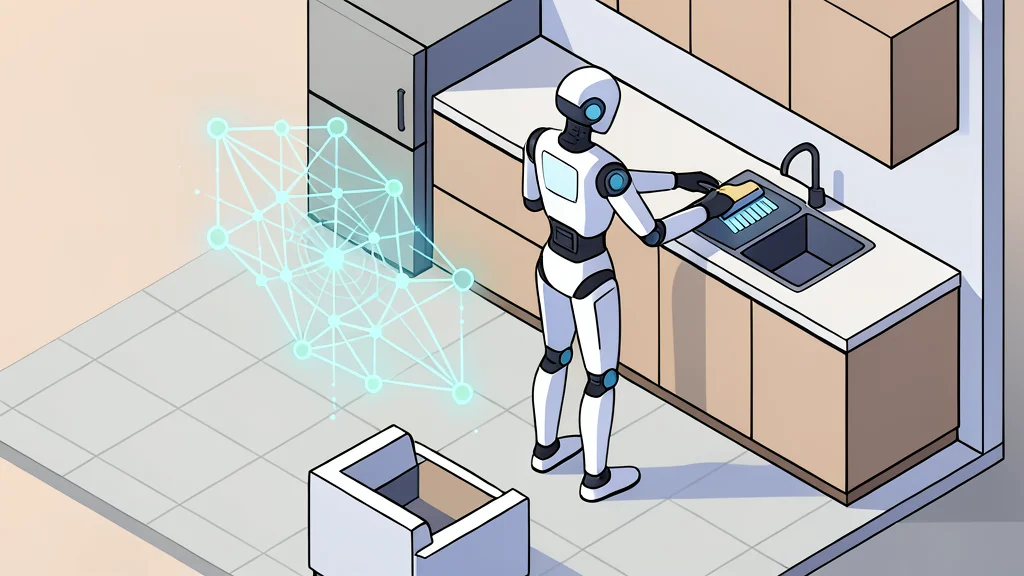
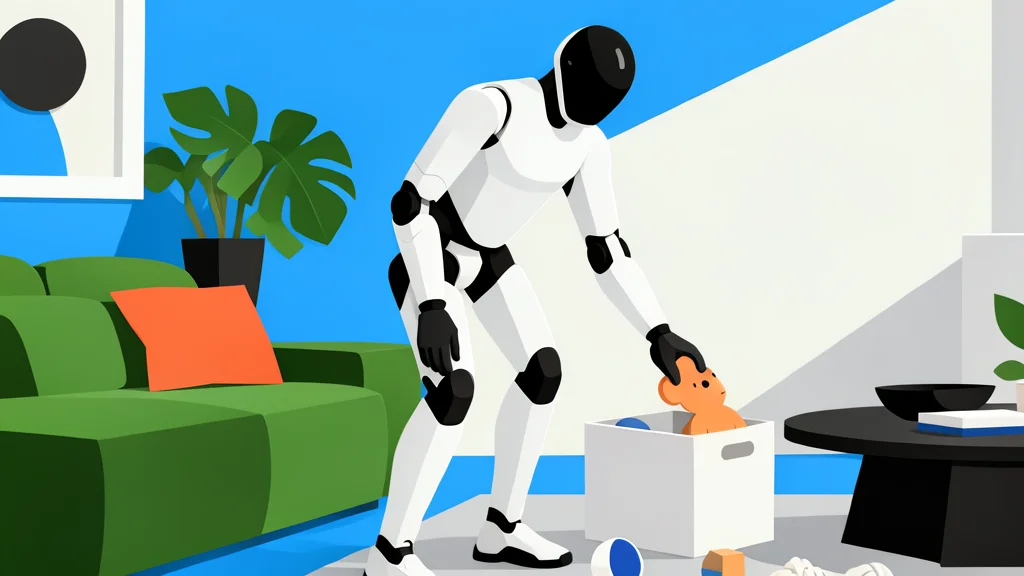
Figure AI has introduced Helix 2.5, a neural network designed to help humanoid robots operate in environments they have never encountered before. Unlike previous systems that relied on fixed instructions for specific settings, this new model is pretrained on a dataset of human behavior. The goal is to create machines that can walk into an unfamiliar home and immediately begin useful tasks, such as making a bed or picking up scattered toys, without requiring specific programming for that location.
To test this capability, the company sent its robot into 30 different houses to perform three common chores: tidying living rooms, folding towels, and making beds. The robot completed these tasks successfully 56% of the time. While this success rate is not yet sufficient for reliable domestic service, Figure AI argues it is the first evidence that whole-body intelligence can be learned from human experience and deployed in messy, real-world settings.
Performance Gaps Remain In Daily Tasks
The 56% success rate highlights a significant trade-off between generalization and reliability. While the robot can handle a variety of environments, it still fails nearly half the time when attempting specific chores. This means that for any user considering such a device, the robot cannot yet be trusted to consistently manage daily household duties without human supervision or intervention. The technology is a step forward in adaptability, but it is far from the seamless assistance that humans expect from a domestic helper.
Diverse Approaches To Physical Automation
The development of humanoid robots is not a single race with one winning design. While Figure AI focuses on bipedal, five-fingered robots, other major players are taking different paths. For example, Toyota Motor is reportedly introducing 400,000 wheeled robots with two-fingered hands for use in its own factories and those of its suppliers. This indicates that the industry is splitting into specialized niches, with some companies prioritizing human-like form factors for general purpose use and others focusing on industrial efficiency.
Regulatory Barriers Shape Global Competition
Geopolitical factors are now influencing the market for physical AI. China currently ships around 97% of global humanoid robots and accounts for more than 85% of demand. However, the United States Federal Communications Commission has recently added foreign-made advanced robots to its Covered List on national security grounds. This move effectively blocks new Chinese imports, protecting US manufacturers from direct competition and altering the global supply chain for robotics.
Despite these regulatory and technical hurdles, investment in the sector continues to grow. JPMorgan expects global humanoid robot shipments to rise from 60,000 units this year to 1.75 million by 2030. Morgan Stanley suggests that humanoids could become a $5 trillion industry by 2050. As production capacity expands, companies like Japan’s Harmonic Drive are seeing significant growth in stock value and are building out facilities to meet these rising orders, signaling that the commercialization of robot technology is accelerating regardless of current performance limitations.