Research Labs Showcase New Robot Designs
From water-pumping climbers to modular drones, recent robotic prototypes highlight a shift toward versatile, multi-environment capabilities.
A new wave of robotic prototypes is challenging the traditional boundaries of machine mobility. Researchers are moving beyond single-purpose designs, creating machines that can navigate complex terrains, operate in water, or collaborate as a unit. These developments suggest a future where robots are not just tools, but adaptable partners in diverse environments.
The innovations span from academic labs to commercial applications, each addressing specific physical challenges. By manipulating internal fluids or combining smaller units, engineers are finding efficient ways to overcome obstacles that static robots cannot handle. This approach prioritizes functional versatility over rigid structural designs.
Fluid Mechanics Enable Slope Climbing
Researchers at NYU Tandon developed a robot called WorMa that uses internal water pumping to change its center of mass. By shifting water toward its head, the robot increases traction on steep inclines, allowing it to climb slopes of up to 19.5 degrees. This fluid-based adjustment also reduces the energy required for movement compared to fixed-weight configurations.
The system proves particularly effective for navigating steps. The robot shifts its weight to anchor its head on a ledge, then uses its tail to push upward before shifting back to continue climbing. This dynamic weight distribution allows it to clear steps up to 15 centimeters high, demonstrating a flexible approach to terrain navigation that static robots cannot replicate.
Modular Drones Create Quadrotor Flight
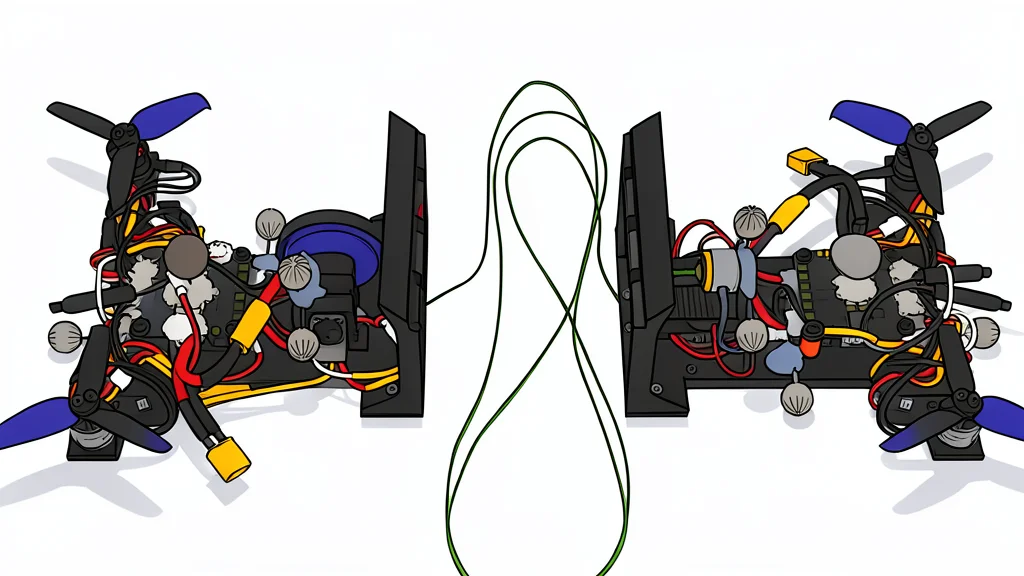
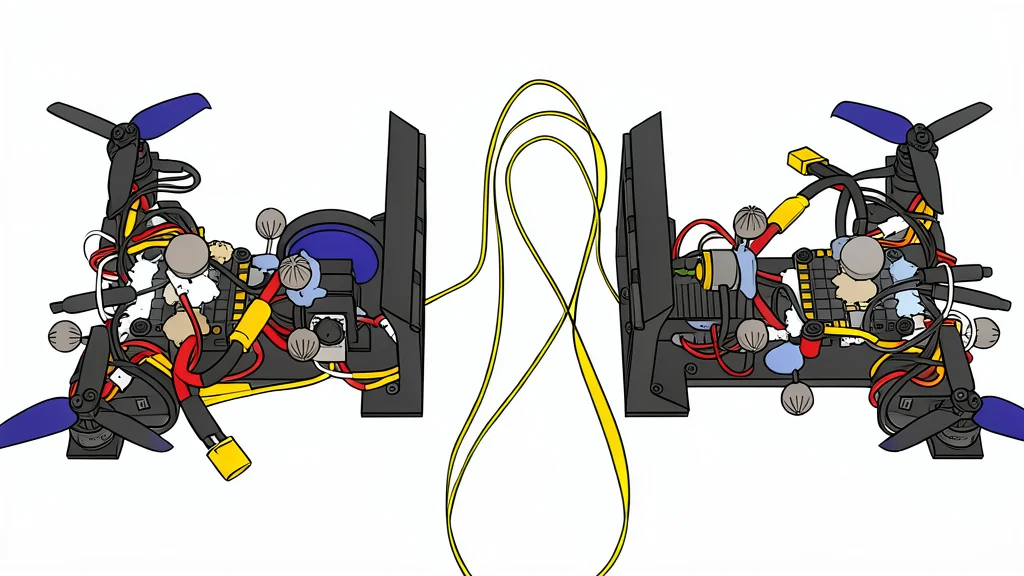
The CLIMB Lab at the University of Toronto presented a concept where two birotors function together to form a quadrotor. Rather than building a single large drone, the system uses two smaller, dual-propeller units that coordinate their flight. This modular approach allows for greater flexibility in assembly and potential redundancy if one unit fails.
This design highlights a shift toward collaborative robotics, where individual components work in unison to achieve a common goal. While the system requires precise synchronization between the two units, it offers a scalable model for aerial platforms. The trade-off is increased complexity in control systems, but the benefit is a more adaptable and potentially repairable aerial vehicle.
Underwater Quadrupeds Expand Operational Range
The Autonomous Robots Lab at the Norwegian University of Science and Technology has adapted legged locomotion for underwater use. Their prototype features custom waterproof motor housings made from plastic, allowing it to maintain balance and orientation in water. This amphibious capability opens new possibilities for environmental monitoring and disaster response in submerged environments.
The robot uses a controller that accounts for drag forces on its legs, ensuring stable movement despite the resistance of the water. By bridging the gap between land and sea mobility, this design addresses a significant gap in current robotics. However, the complexity of sealing electronic components for underwater use remains a technical challenge that limits widespread commercial adoption.