Tear-Shedding Robot Tests Human Trust in AI
A humanoid robot demonstrated the ability to shed tears on command, sparking debate over whether simulated emotion increases public trust in artificial intelligence.
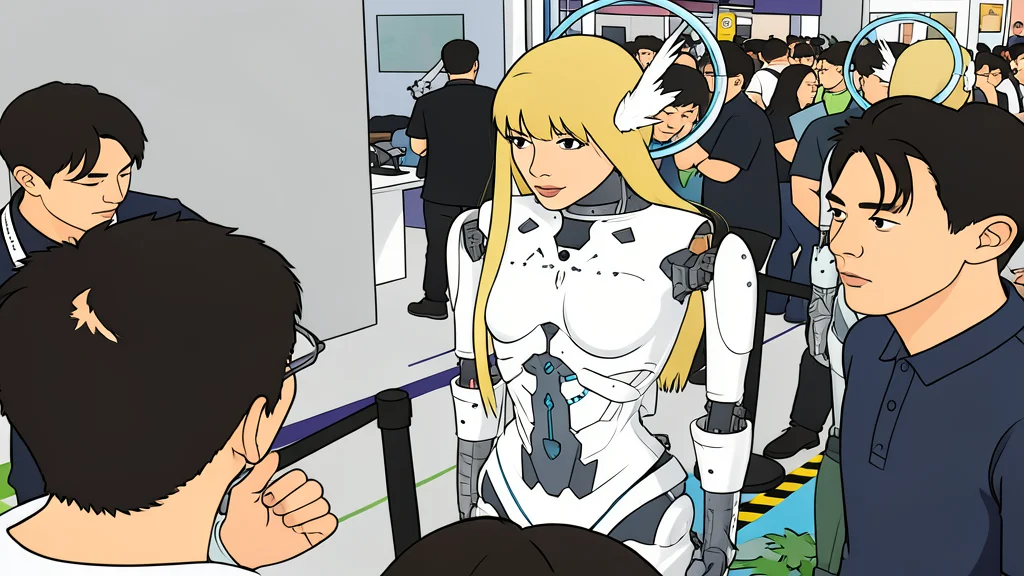
A humanoid robot demonstrated the ability to shed tears on command, sparking debate over whether simulated emotion increases public trust in artificial intelligence. During a recent conference in Shanghai, the machine responded to a request for sadness by producing a single drop of fluid that slid down its silicone cheek. The moment captured the attention of attendees and viewers online, highlighting a growing trend in robotics where emotional display is used to bridge the gap between human and machine interaction.
The device, known as the Yansyn-X2, is developed by Yanxi Technology, a firm based in Ningbo. The company explained that the current model uses servo motors to pull a silicone facial skin, creating various expressions. While the mechanism is mechanical, the underlying system is algorithmic, designed to interpret conversational context. When the AI detects language associated with sadness or empathy, it triggers actuators beneath the face to shift features into a sorrowful expression, while an internal fluid system releases the tear.
Mechanics behind the emotional display
The tear production relies on a specialized microfluidic system powered by a miniature peristaltic pump. This technology allows for a controlled release of liquid that mimics human tears. The robot is not a static statue; it can turn its head, track visitors, and gesture with its arms and upper body. However, the current version is limited in its range of motion and emotional nuance compared to what developers aim to achieve in future iterations.
Yanxi Technology is working on a next-generation model that will incorporate bionic muscles. These artificial muscles are intended to provide smoother transitions between expressions and a wider variety of emotional states. The shift from simple motor-driven pulls to more complex bionic actuation represents a significant engineering challenge. The goal is to move beyond a fixed set of pre-built expressions to a fluid, real-time response to human interaction.
Trust and the human perception gap
Research suggests that robots capable of expressing emotions in real time are often perceived as more likeable and trustworthy by human observers. This psychological effect is a key driver for companies developing humanoid robots for education and care settings. By making interactions feel more natural, developers hope to reduce the uncanny valley effect, where machines that look human but behave unnervingly are rejected by users. The tear-shedding capability is a deliberate attempt to leverage this emotional responsiveness.
However, there is a trade-off between perceived trust and genuine understanding. The robot’s tears are a programmed response to linguistic cues, not a reflection of internal emotional states. Critics may argue that relying on simulated empathy to build trust is a form of manipulation. As these technologies become more sophisticated, the line between a helpful tool and a deceptive agent becomes increasingly blurred, raising ethical questions about the nature of human-machine relationships.
Commercial availability and industry trends
The tear mechanism is not yet available for purchase, with the company planning to introduce the feature later this year. The Yansyn-X2 is currently displayed in a booth setting, where it can interact continuously with visitors. Other firms, such as Ex-Robots, are also developing more expressive humanoids for similar applications. The push for emotional expressiveness is becoming a standard feature in the industry, as companies compete to create machines that feel more like partners than tools.
The widespread sharing of the demo video indicates a strong public interest in these capabilities. As the technology advances, the focus will shift from novelty to utility. The success of these robots will depend on whether users value the emotional connection enough to overlook the fact that the feelings are simulated. The tear-shedding robot serves as a test case for how much weight society places on emotional cues when evaluating artificial intelligence.