Swapping Port Forwarding for Mesh VPNs Simplifies Home Security
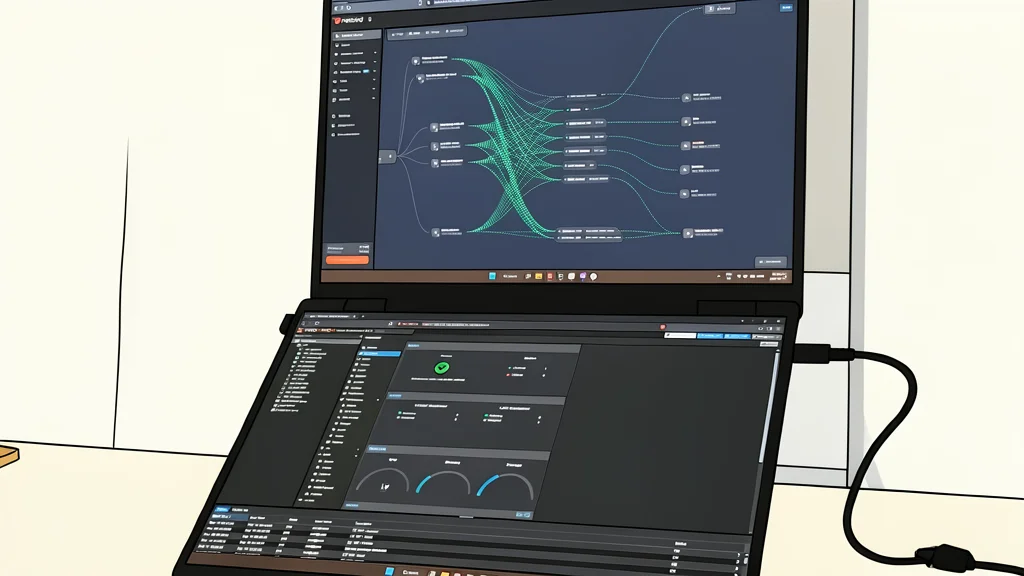
Replacing open ports with a private encrypted mesh reduces attack surface but shifts maintenance burden to a central server.
Many home users rely on port forwarding to access personal servers, games, or media libraries from outside their network. This method works by opening specific channels on the router for external traffic, effectively creating holes in the digital wall. While convenient, it exposes those services to constant scanning by malicious actors. If a port is open, it is only a matter of time before someone attempts to exploit weak authentication or software vulnerabilities.
A growing number of technical enthusiasts are moving away from this model in favor of mesh VPNs. This approach creates a private, encrypted tunnel between trusted devices, allowing them to communicate as if they were on the same local network. According to reporting by XDA Developers, this shift eliminates the need for open ports entirely, significantly reducing the attack surface for personal data. The trade-off is that users must manage a central control plane, often hosted on a rented virtual private server, to coordinate these connections.
Encrypted tunnels replace open router holes
In a traditional setup, any device on the internet can attempt to connect to a forwarded port. The only barrier is the login credentials of the specific service. With a mesh VPN, such as NetBird or Tailscale, the connection is established only between devices explicitly added to the private network. Traffic flows through an encrypted tunnel, meaning the router sees only standard outbound data. No inbound ports are open, so scanners cannot find the services. Access is granted only to devices that possess the correct cryptographic keys for the mesh.
Central servers handle the public connection
The primary drawback of this method is the requirement for a persistent public endpoint. Users typically rent a cheap virtual private server to host the control plane, which acts as the meeting point for the mesh. This server must have a public IP address to relay traffic between peers. While this moves the exposure away from the home router, it introduces a new single point of failure. If the server goes offline or is compromised, the entire mesh can be disrupted. Users must now secure this remote server just as rigorously as they would their home network.
Shared services require reverse proxying
For services intended for multiple users, such as game servers or voice chat, asking everyone to install a VPN client is impractical. To solve this, users can deploy a reverse proxy on their central server. This proxy accepts standard internet traffic and forwards it through the encrypted mesh to the home device. The friends connect as usual, unaware of the underlying tunnel. However, this reintroduces a public-facing service on the VPS, meaning the security of the shared experience depends on the hardening of that remote server rather than the home network.