Eight Automakers Bet on Better Charging to Revive EV Growth
As electric vehicle sales slow and federal incentives fade, major car companies are investing in a shared charging network to stabilize the market.
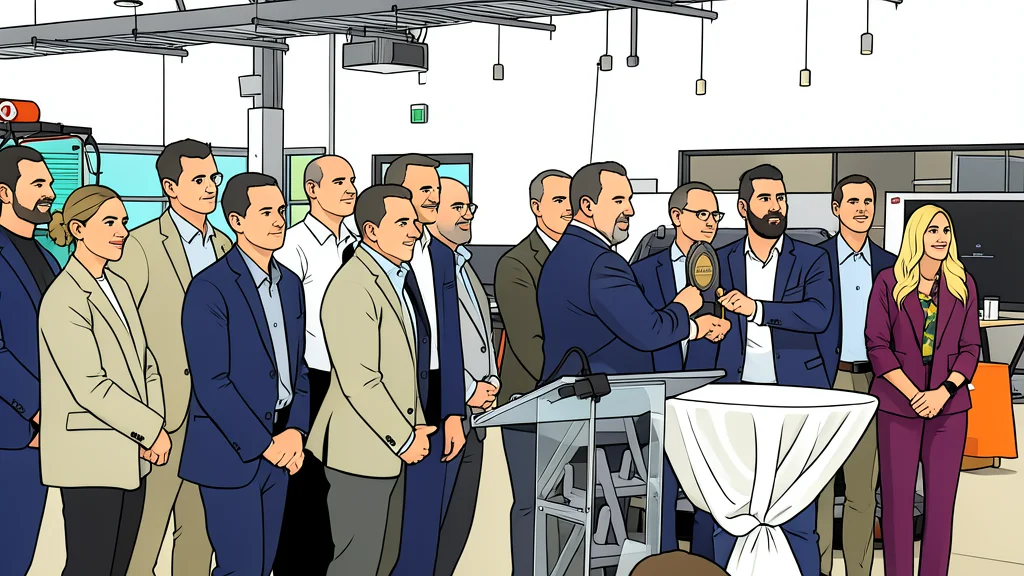
Representatives from eight major global automakers recently gathered in Durham, North Carolina, to highlight their collaborative effort to improve electric vehicle infrastructure. The group, which includes Toyota, BMW, General Motors, Honda, Hyundai, Kia, Mercedes-Benz, and Stellantis, operates the IONNA network. Their joint push for better charging reliability arrives at a critical moment when consumer confidence is waning.
The industry is facing a significant headwind, with new EV sales in the United States dropping by more than 20% in the second quarter compared to the same period last year. According to data from Cox Automotive, this decline coincides with the expiration of federal tax credits that previously lowered the cost of entry for buyers. Despite these short-term pressures, the automakers argue that addressing the pain point of unreliable public charging is essential for long-term growth.
Shared Network Reduces Charging Failures
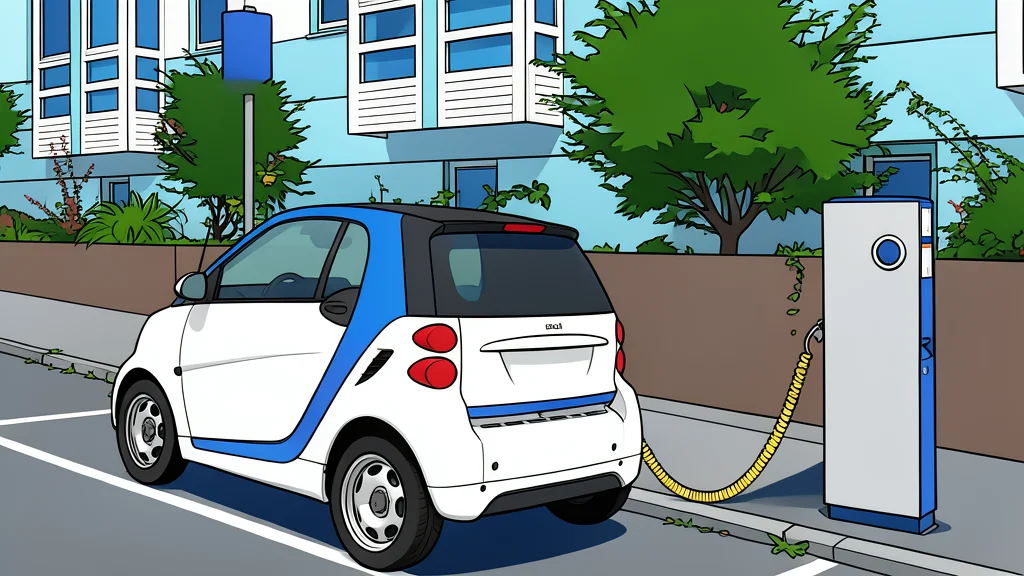
A recent industry assessment ranked the IONNA network as the most reliable among public DC fast-charging options. The study noted that the rate of failed charging attempts has dropped to 12%, the lowest level recorded since tracking began. By pooling resources, these competitors have created a unified system that outperforms individual networks, such as those from Mercedes-Benz and Rivian, in terms of availability and functionality.
This collaborative approach addresses a primary barrier to adoption. Shoppers frequently cite the uncertainty of finding a working charger as their main reason for rejecting electric vehicles. The automakers believe that by treating charging as a shared industry responsibility rather than a competitive advantage, they can provide the baseline confidence drivers need to switch from gasoline cars.
Expansion Amidst Market Uncertainty
Despite the current sales slump, the IONNA network is expanding aggressively. The system currently operates roughly 177 locations across 30 states, with plans to exceed 200 sites by the end of the year. The company is also building additional charging capacity, aiming to install tens of thousands of new bays across North America by 2030. This expansion is designed to serve existing drivers while preparing for a predicted recovery in sales.
North Carolina has become a central hub for this growth. The selection of Durham as the global headquarters for the network complements the region's growing battery production capabilities. For instance, a major battery plant in Liberty, North Carolina, recently began operations, reinforcing the state's role in the supply chain. This geographic concentration allows for tighter coordination between manufacturing and infrastructure development.
Charging Reliability Remains The Key
Industry leaders emphasize that reliability is the non-negotiable foundation of the electric vehicle experience. Without the assurance that a charger will work when needed, other amenities or speed improvements are irrelevant. The focus on reducing failure rates reflects a strategic shift from simply adding more hardware to ensuring that the existing network functions consistently for users.
As noted in reporting by GN auto tech/ev, the stakes extend beyond individual corporate profits. Transportation remains the largest source of direct greenhouse gas emissions in the United States. By stabilizing the EV market through improved infrastructure, the automakers aim to keep the long-term transition to electrified vehicles on track, even as immediate sales figures fluctuate. The success of this shared model will determine whether the industry can overcome the current stagnation.