AI Infrastructure Boom Threatens to Spike Global E-Waste
The rapid expansion of AI data centers is projected to triple electronic waste output, creating significant environmental and economic challenges.
The global push to build artificial intelligence infrastructure is expected to generate a massive surge in electronic waste. A recent report by the environmental group Basel Action Network (BAN) estimates that AI-driven hardware could triple the world’s annual e-waste output over the next 25 years. This projection highlights a growing disconnect between the rapid adoption of new technology and the capacity to manage its physical byproducts.
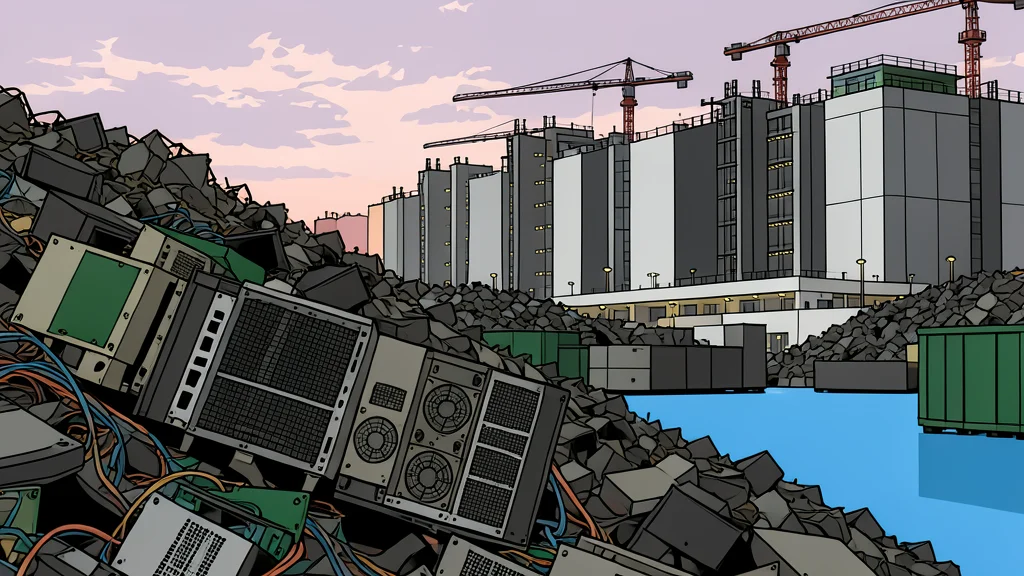
The scale of this potential waste is difficult to visualize, but BAN suggests it would be enough to fill shipping containers circling the globe six times. The estimate includes not just the servers running AI models, but also the networking gear, cooling systems, and power distribution equipment required to keep these facilities running. Currently, only about one-fifth of all electronic waste is properly managed, leaving the rest to accumulate in landfills or be processed in ways that can harm local environments.
Hardware replacement drives waste volume
A central factor in this forecast is the short lifespan of AI hardware. Unlike traditional infrastructure that might last a decade, AI components are often replaced every two to five years to keep up with processing demands. This cycle means that millions of tons of metal and plastic are discarded relatively quickly. The report notes that a single server rack can weigh over 1,300 kilograms, and when multiplied by the thousands of racks needed for large-scale data centers, the material volume becomes staggering.
The waste also poses chemical risks. Discarded electronics contain hazardous materials such as lead, mercury, and cadmium. They may also include persistent organic pollutants, often called forever chemicals, which do not break down in the environment. While these devices contain valuable metals like copper and gold, recovering them is often not economically viable, leading to their loss in landfills.
Environmental and economic trade-offs
The drive for faster computing power creates a trade-off between performance and sustainability. Companies are prioritizing the latest processors and memory to improve AI capabilities, which accelerates the obsolescence of older equipment. This rapid turnover increases the carbon footprint of manufacturing new hardware while simultaneously overwhelming existing recycling streams. The cost of this model is not just financial but ecological, as the extraction of raw materials for new devices continues to expand.
Critics argue that the current business model treats hardware as disposable rather than durable. The report from GN auto tech/cloud: data center expansion emphasizes that this approach is unsustainable. If the pace of construction continues as projected, with hundreds of gigawatts of new computing capacity added by 2030, the waste problem will grow exponentially. Without changes in how hardware is designed and disposed of, the environmental burden of AI will continue to rise.
Need for better recycling systems
To address this issue, experts call for a shift toward repair, reuse, and responsible end-of-life management. Governments and technology firms need to invest in infrastructure that can handle the volume of incoming e-waste. This includes improving the efficiency of metal recovery and ensuring that hazardous components are safely isolated. The current system is not equipped to handle the scale of waste generated by the AI boom, and new policies are needed to bridge this gap.
The projections in the report are based on assumptions about construction pace and replacement cycles, meaning the actual outcome could vary. However, the trend is clear: the physical footprint of AI is growing faster than the systems in place to manage it. Addressing this challenge requires a coordinated effort to rethink how we build, use, and dispose of the technology that powers the digital age.