Threat Intelligence Alone Cannot Close the Exploitation Gap
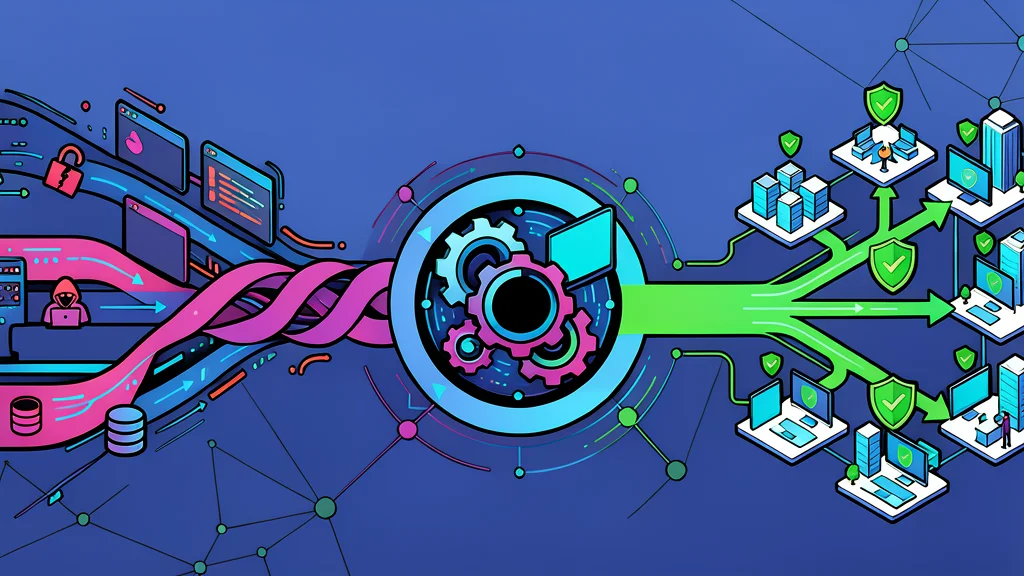
Security teams are drowning in data but starving for proof. New automation aims to bridge the gap between knowing a risk exists and verifying if it is actually exploitable in your specific environment.
The speed at which attackers move is outpacing the ability of most organizations to react. When a credential is leaked or a vulnerability is disclosed, criminals can weaponize that information before many security teams have even finished triaging the alert. According to The Hacker News, defenders are increasingly relying on artificial intelligence to accelerate this offensive cycle, creating a race where the window for safe remediation shrinks daily.
The core issue is not a lack of data, but a failure to act on it. Intelligence remains the earliest signal of danger, yet in many companies, high-value indicators sit in a backlog. This queue is where risk accumulates. Teams wait for specialists with offensive skills to manually test whether a specific threat applies to their environment, a process that is slow, resource-intensive, and often too late to prevent a breach.
The backlog creates dangerous exposure
This bottleneck exists across the industry. Even leading threat intelligence providers acknowledge that the volume of relevant data exceeds most teams' capacity to validate it against live systems. The limitation is not the feed itself, but the time and specialized skill required to determine if a specific item is exploitable on that specific day. As a result, organizations are left with a long list of potential risks rather than a clear picture of actual vulnerabilities.
This approach treats security as a static exercise rather than a dynamic response. Instead of reacting to current threats, many teams work through a fixed calendar of tests. This creates a disconnect where the most urgent, real-world threats are not prioritized, allowing attackers to exploit known weaknesses while defenders are still working through lower-priority items.
Shifting from probability to proof
To address this, the industry is moving toward threat-led penetration testing. This model moves beyond compliance checkboxes to focus on what is actually happening right now. Instead of generic scans, this method takes a specific leaked credential or disclosed vulnerability and tests it directly against the organization’s live environment. The goal is to return evidence: a clear yes or no on whether that specific threat is exploitable in that specific setup.
This shift changes the nature of the security response. It allows teams to spend their limited testing capacity on high-impact risks rather than low-value noise. By focusing on proof of exploitability, organizations can prioritize remediation efforts where they matter most, reducing the time an attacker has to operate after a credential leak or vulnerability disclosure.
Automation bridges the speed gap
New integrations are beginning to automate this validation process. For example, collaborations between security platforms and intelligence providers can trigger automated validation runs when a threat signal appears. This connects leaked credential intelligence directly to testing of an organization’s external attack surface. The system confirms which exposed credentials are actually usable by attackers, rather than flagging every single one as equally urgent.
Early adopters describe this as a fundamental shift in resilience. By testing against threats in their own environment at speed, companies can build a stronger defense in the era of AI-assisted attacks. The catch, however, is that this requires a significant change in how security operations are structured. It moves the focus from knowing more to proving what is already known, a trade-off that demands new workflows and automation to be effective.