ROG XREAL R1: Premium Gaming Glasses Face Steep Price
The ROG XREAL R1 offers a portable 171-inch virtual screen, but its high cost and audio limitations create a difficult value proposition.
A new collaboration between ASUS ROG and XREAL has produced a pair of augmented reality glasses that sit in an awkward space between traditional eyewear and bulky VR headsets. The ROG XREAL R1, recently showcased at CES, promises a portable second screen for gamers and media consumers, delivering a virtual display that can appear up to 171 inches wide when viewed from four meters away. This setup allows users to play handheld games or watch content without the physical bulk of a dedicated headset, effectively turning a small device into a theater-like experience.
However, the convenience comes with significant trade-offs. As reported by GN technics/gaming (en-US), the device lacks a standalone battery, meaning it must remain connected to a power source like a phone or handheld console via a USB-C cable at all times. Furthermore, while the visual technology is impressive, the integrated audio system is widely considered underwhelming, and the overall price tag is steep for a product that still feels somewhat bulky compared to standard glasses.
Visual Performance and Design
The core appeal of the R1 lies in its display technology. It utilizes two 0.55-inch Sony micro-OLED panels, each offering a 1080p resolution. These screens run at a native 120Hz refresh rate, with a boostable mode reaching 240Hz for smoother motion. The peak brightness hits 700 nits, which is sufficient for most indoor environments, and the field of view spans 57 degrees, providing a reasonably immersive sense of space without feeling claustrophobic.
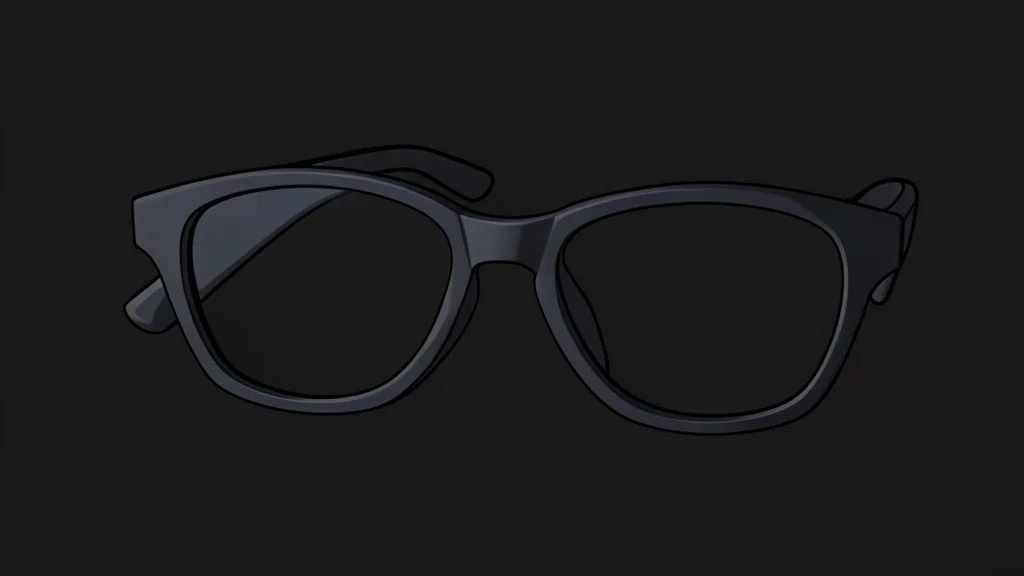
The physical design incorporates variable-tint lenses on the front, allowing users to adjust how much outside light filters through to the eyes. This electrochromic dimming feature helps blend the virtual image with the real world. The build quality is described as premium, with a lightweight construction weighing only 90 grams. Despite this, the device is noticeably thicker than standard prescription glasses, and the need for a constant power cable limits its utility for fully untethered mobile use.
Audio and Connectivity Limitations
While the visuals are the primary selling point, the audio experience is a clear weak point. The glasses include four speakers tuned by Bose, but reviews indicate that the sound quality leaves much to be desired for a premium-priced device. For gamers or movie watchers who rely on immersive sound, the built-in speakers may not be sufficient, potentially necessitating the use of external headphones. This adds complexity to a device that already requires a constant power connection.
Connectivity is handled through a single USB-C port with DisplayPort Alt Mode, which simplifies the setup process but creates a single point of failure for both power and data. The control interface includes three buttons on the stems, which are functional but basic. The lack of a standalone battery means the R1 cannot be used as a self-contained media player; it is strictly an accessory that enhances another device, rather than a replacement for one.
Market Position and Value
The ROG XREAL R1 is positioned as a high-end niche product. Its steep pricing is a major barrier for many consumers, especially when weighed against the compromises in audio and the dependency on external power. The device is best suited for enthusiasts who specifically want a portable, high-refresh-rate screen for handheld gaming or secondary display use and are willing to pay a premium for the design and visual fidelity.
For the average user, the combination of high cost, bulky form factor, and average audio makes the recommendation difficult. It is an impressive piece of technology that pushes the boundaries of what eyewear can do, but it does not yet offer the seamless, all-in-one experience that might justify its price tag for the broader market. It remains a specialized tool rather than a general-purpose replacement for monitors or headsets.