China Pushes Affordable Smart Home Upgrades to Boost Spending
New government subsidies and interoperability standards aim to lower the cost and complexity of integrating smart devices into Chinese households.
Chinese officials have rolled out a new strategy to make smart home technology more affordable and easier to integrate, aiming to stimulate consumer spending. The plan, released by the Ministry of Commerce and seven other departments, focuses on reducing financial barriers and solving long-standing technical issues that have prevented many households from adopting whole-home systems.
The initiative combines direct purchase subsidies with lower interest rates on consumer loans. This dual approach is designed to make high-ticket items, such as smart appliances and renovation services, more accessible to average families. By easing the immediate financial burden, the government hopes to encourage more extensive upgrades rather than isolated device purchases.
Financial incentives reduce upgrade costs
Experts note that the high cost of converting an entire home has been a primary deterrent for consumers. According to Hong Yong, an associate researcher at the Chinese Academy of International Trade and Economic Cooperation, combining subsidies with loan support creates a synergistic effect. This reduces the overall financial hurdle for larger transactions, making it feasible for more households to invest in comprehensive smart home setups.
Independent analyst Liang Zhenpeng agrees that lower financing costs can empower consumers to undertake more extensive renovations. The goal is to shift the market from single-device purchases to integrated systems. This shift is critical because it aligns with broader economic goals of driving consumption through green and smart products, which have seen significant sales growth in recent months.
Solving device compatibility challenges
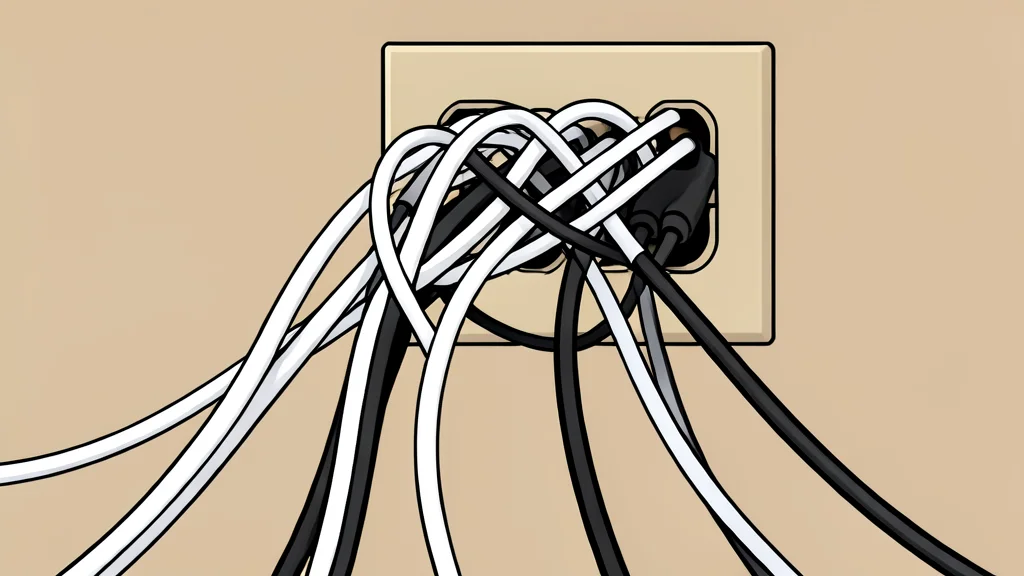
Beyond cost, a major obstacle to adoption is the lack of interoperability between different brands. Many consumers report frustration when devices from different manufacturers fail to communicate seamlessly. The new plan addresses this by accelerating the development of mandatory national standards for device compatibility. These standards aim to ensure that smart products work together as a unified system rather than as isolated gadgets.
As reported by GN technics/smarthome (en-US), these common standards are essential for transitioning from standalone products to integrated household ecosystems. Without them, the potential benefits of smart home technology remain fragmented. The government’s push for standardized grading of intelligence levels also seeks to provide clarity to consumers about what different products can actually do, reducing confusion and improving user trust.
Prioritizing accessibility for older users
A significant focus of the new measures is making smart home technology accessible to older consumers. Many existing products are too complex for seniors, limiting the market’s reach. The plan promotes the development of home service robots and health monitoring devices with simpler controls, dialect recognition, and enhanced safety features. Certification for age-friendly design is also being encouraged to ensure consistent quality in this sector.
Analysts emphasize that for the smart home market to reach its projected size of over 800 billion yuan by 2026, it must serve a diverse user base. By addressing the specific needs of older adults, the government aims to unlock a new segment of consumers. This approach not only boosts sales but also ensures that the benefits of automation, such as health monitoring and daily care, are available to those who might otherwise be excluded by technical complexity.