New mini-PC Automates Smart Home Setup with AI Agents
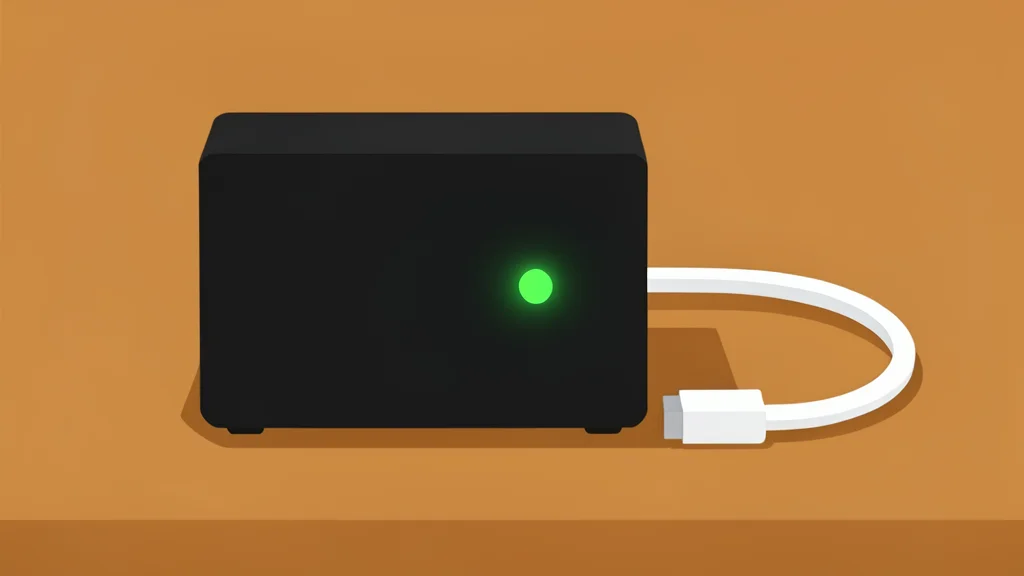
LinknLink's HomeClaw Max uses AI to handle the complex configuration of Home Assistant, offering a low-power alternative to manual coding for smart home enthusiasts.
LinknLink has introduced the HomeClaw Max, a small computer designed to simplify the often tedious process of setting up a smart home. The device combines the flexible Home Assistant platform with AI-driven agents that can configure automations and write code based on simple natural language descriptions.
This approach targets users who find traditional home automation too technical but want more control than commercial hubs offer. By allowing an AI to handle the underlying programming, the company aims to remove the barrier to entry for those who have previously avoided DIY smart home systems due to the need for coding knowledge.
AI agents handle the technical setup
The core function of the HomeClaw Max is its integration with AI assistants, specifically the Hermes Agent or OpenClaw. Instead of manually writing scripts or adjusting complex settings, users can describe their desired outcome, such as turning lights on at sunset, and the agent generates the necessary configuration. This significantly reduces the time required to get a functional smart home running.
According to GN technics/smarthome, this feature addresses a common pain point in the Home Assistant community, where the platform's power is often overshadowed by the learning curve. The device essentially acts as a pre-configured environment where the AI does the heavy lifting, allowing users to focus on using the system rather than building it.
Modest hardware with low power draw
The hardware specifications are basic, featuring a four-core processor running at 1.8 GHz and 4 GB of RAM. Storage options are limited to either 64 GB or 256 GB, with the smaller model supporting only 100 Mbps Ethernet, while the larger version offers Gigabit connectivity. These specs are not intended for high-performance computing but are sufficient for managing home automation tasks.
A significant advantage is the device's energy efficiency, consuming only 3 to 5 watts. This low power draw is ideal for a machine that needs to run continuously, keeping electricity costs minimal over time. The manufacturer acknowledges that tech-savvy users could build a similar setup with a cheaper generic mini-PC, but the HomeClaw Max offers the convenience of a tailored software environment.
Crowdfunding risks and pricing details
The device is currently available through a Kickstarter campaign, with base models priced around $100 and the higher storage variant costing approximately $170. Shipping adds about $17, with deliveries expected to begin at the end of October. This crowdfunding model means there is an inherent risk for buyers, as there is no guarantee that the project will ship on time or meet all promised specifications.
For those seeking a risk-free option, established commercial hubs like the Homey Pro remain available, though they typically come at a significantly higher price point. The HomeClaw Max positions itself as a budget-friendly middle ground, offering advanced DIY capabilities with the ease of a consumer product, provided the user is comfortable with the uncertainties of early-stage hardware releases.