Motorized Faders Bring Physical Control to Smart Homes
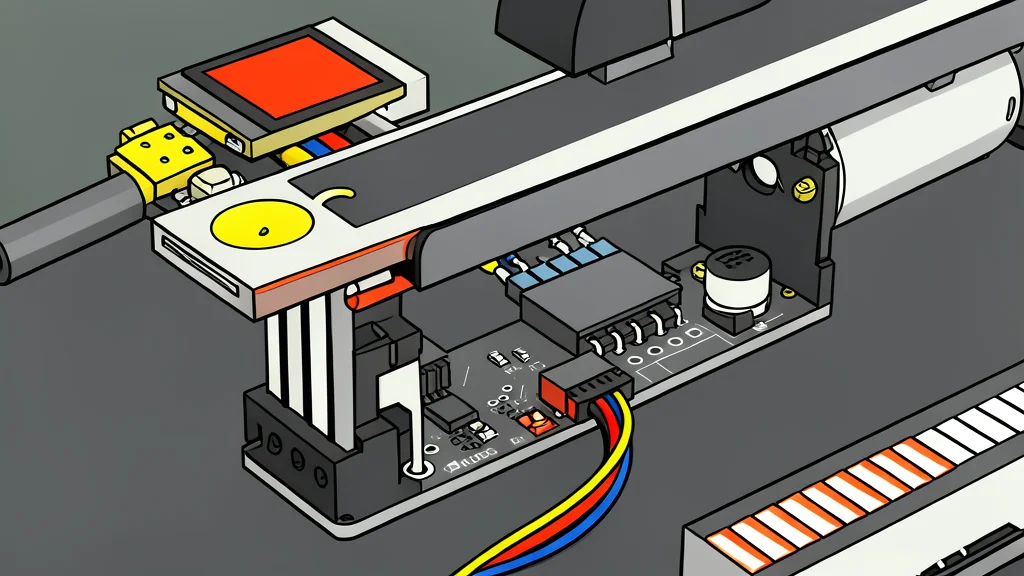
A new wave of DIY projects is bringing the tactile satisfaction of professional audio mixing desks into the smart home, using affordable hardware and open-source software to create physical interfaces for digital controls.
Physical controls have always offered a level of tactile feedback that touchscreens and voice commands often lack. For many hobbyists, the smooth glide of a fader or the satisfying click of a dial provides a direct, intuitive connection to the devices they manage. This preference for tangible interaction is driving a resurgence in motorized faders within the smart home community, moving beyond their traditional role in recording studios to become central components in home automation setups.
The core appeal lies in the bidirectional nature of these devices. Unlike standard sliders that only send data, motorized faders physically move to match the state of the connected system. If you adjust your lighting brightness via a mobile app or voice assistant, the fader slides to the corresponding position. This synchronization creates a visual and physical representation of your home’s state, turning abstract digital settings into concrete, adjustable objects on a desk or wall.
Affordable Hardware Enables Tactile Control
The barrier to entry for this type of project has dropped significantly due to the availability of cost-effective components. Behringer’s MF60T motorized faders, for instance, are available for under forty dollars, making them an accessible option for enthusiasts. These faders are quiet and smooth, but their value comes from their compatibility with the ESP32 microcontroller ecosystem. By pairing these sliders with an ESP32 board, users can integrate them into smart home platforms without needing expensive proprietary hardware.
According to reporting from GN technics/smarthome (en-US), this setup allows for a wide range of applications beyond just lighting. Users can control volume levels, window blinds, fan speeds, and heating or cooling systems. The presence of the motor is the key differentiator; it ensures that the physical control always reflects the current digital state, eliminating the disconnection often felt when using remote interfaces.
FaderBuddy Simplifies Integration for Builders
For those looking to build their own control panel, FaderBuddy offers a streamlined solution. Developed by Scott Bezek, this modular control board acts as an interface between the Behringer faders and an ESP32 controller running ESPHome. ESPHome is known for its human-readable YAML configuration, which lowers the technical barrier for programming. The project’s GitHub repository provides comprehensive resources, including wiring diagrams and example configurations, making it feasible for hobbyists with basic electronics knowledge.
The system supports features such as smooth linear fading and configurable detents, which allow the fader to snap to specific preset positions. This is particularly useful for switching between different lighting scenes or HVAC modes. While the initial setup requires assembling a printed circuit board or purchasing a pre-assembled unit, the result is a highly customizable control surface that can be tailored to specific home automation needs.
High-End Consoles Show Potential for Products
Beyond simple DIY boards, there are more polished projects that hint at a potential market for commercial smart home consoles. One notable example is a lighting control console built by Sacrebleu Studio, which combines motorized faders with a rotary encoder and a high-resolution display. This device, which runs on Home Assistant, allows users to cycle through different rooms and adjust lighting values with precision.
The craftsmanship of such projects, often featuring materials like walnut and aluminum, appeals to those who view their smart home as a design statement rather than just a collection of gadgets. The strong interest from the Home Assistant community and smart home enthusiasts has led to the creation of waitlists, suggesting that the demand for high-quality, physical interfaces is growing. While these remain niche products, they represent a shift toward more intuitive and aesthetically pleasing ways to interact with our digital environments.