Prepping Philippine Homes for Monsoon Season
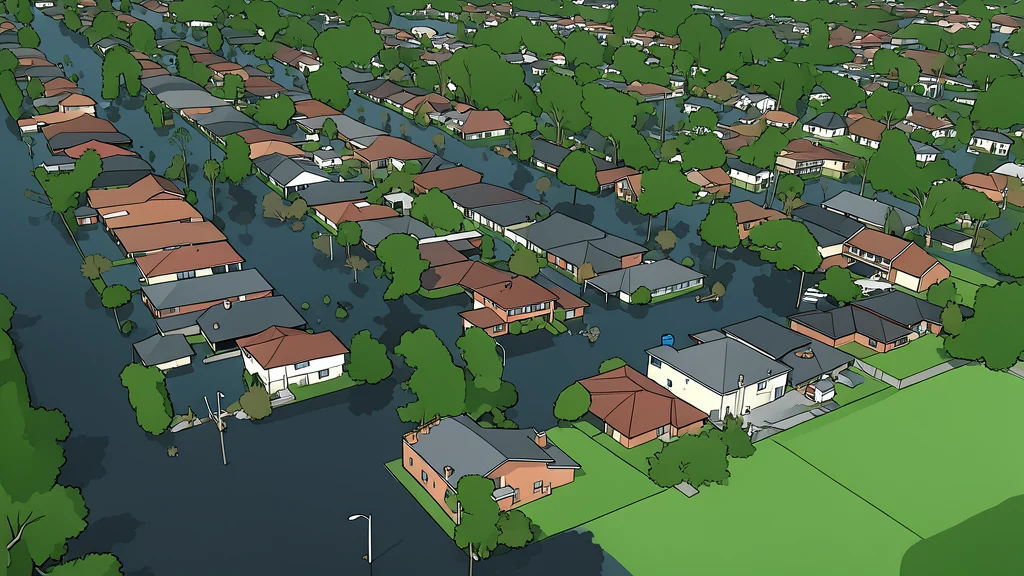
As monsoons intensify, homeowners are turning to smart infrastructure and temporary barriers to keep water out of their living spaces.
The Philippines faces a recurring challenge with persistent rains from the southwest monsoon and tropical storms. Low-lying communities are particularly vulnerable, and standard housing structures often struggle to withstand the volume of water. To address this, residents are increasingly looking beyond basic repairs toward proactive, technology-driven solutions that reinforce their properties against flooding and heavy rain.
According to GN technics/smarthome (en-US), the focus is shifting toward making homes resilient first lines of defense. This involves integrating specific upgrades that manage water before it becomes a destructive force. By preparing for the worst-case scenarios, homeowners aim to protect both their physical assets and their peace of mind during the unpredictable weather patterns of the rainy season.
Temporary Barriers Seal Entry Points
One of the most effective strategies involves installing temporary flood protection barriers. These devices are designed to seal doors, gates, windows, and drainage points where water typically enters a home. Many of these systems, some originating from German engineering, have been used globally for decades and come in various configurations, including sliding and drop-down designs that can be deployed with or without electricity.
In the United States, products like the AquaDam have gained popularity. This system consists of two watertight inner tubes enclosed in a woven outer sleeve, capable of handling flood depths from one to ten feet. Another option is the Water-Gate, which uses a self-deploying design. Once rolled out, the weight of the floodwater itself presses the base down to create a seal, reducing the manual labor required for installation.
Permeable Surfaces Reduce Drainage Load
Managing water starts with the outdoor spaces surrounding the house. Instead of using solid paving for driveways and walkways, experts recommend permeable materials. These surfaces allow rainwater to seep naturally into the ground rather than running off into drainage systems. This simple change helps reduce the overall load on local water catchments and riverways, mitigating the risk of localized flooding.
Homeowners can also install water retention systems to act as small reservoirs. These collect and store excess rainwater for later use, such as cleaning outdoor areas or irrigating plants. This approach turns a potential hazard into a useful resource, providing a practical way to manage the sheer volume of water that accompanies heavy monsoon rains.
Controlling Indoor Humidity Prevents Mold
Even when water is kept outside, high indoor humidity remains a significant issue during the rainy season. Excess moisture encourages mold growth, which can be difficult to eliminate once established. While natural remedies like vinegar and baking soda offer minor help, investing in a heavy-duty dehumidifier is often more effective for controlling the air quality inside the home.
Ideally, indoor humidity levels should remain between 30 and 50 percent. If a standard unit constantly registers levels between 70 and 80 percent, it indicates that the equipment is insufficient for the environment. Upgrading to a more powerful unit is a necessary trade-off to ensure long-term health and structural integrity, as persistent dampness can damage materials and air quality.