Why Spouses Often Reject Flashy Smart Home Gadgets
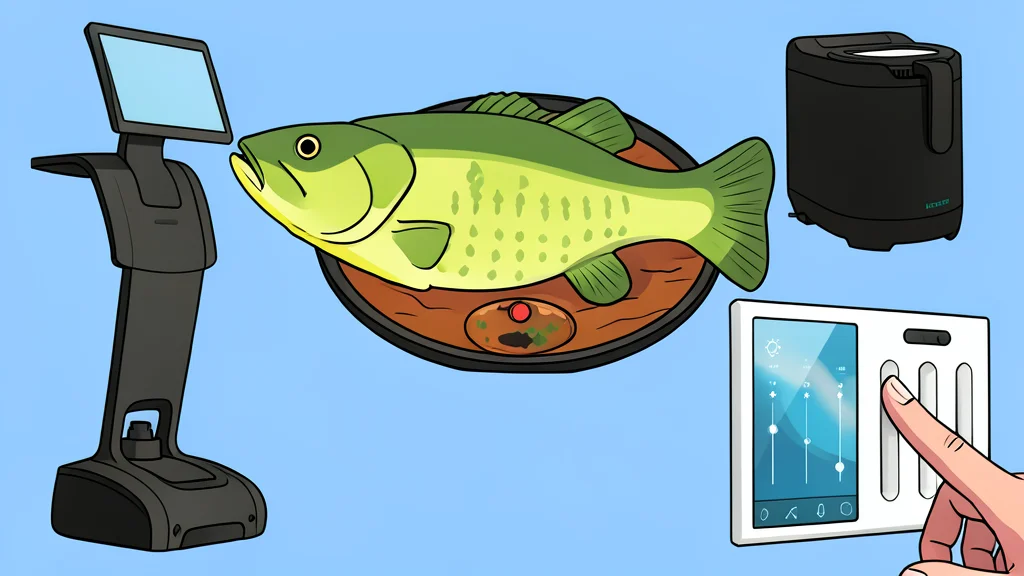
A tech reviewer's partner provides a crucial reality check, proving that seamless, low-maintenance design beats novelty features for everyday household utility.
For many technology enthusiasts, the latest gadget is a source of pure excitement, but for their partners, it is often a potential source of daily friction. A tech editor at Tom's Guide recently shared how his spouse acts as a vital filter for the smart home devices he brings into their shared living space. While he is drawn to the novelty and advanced features of new tools, she evaluates them based on a single, practical question: do we actually need this, and will it cause us stress?
This dynamic serves as a powerful reminder that consumer technology must fit into real life, not just demonstrate capability. The reviewer admits that his partner’s skepticism has improved his own professional judgment, forcing him to look past the initial thrill of a launch to see if a product can survive the mundane demands of a family home. Her standard is clear: if a device requires constant attention or fails silently, it does not belong in the house.
Touchscreens fail basic usability tests
One of the most notable rejections involved a high-end smart light switch that replaced traditional buttons with a touchscreen interface. The device offered extra features like music control and video calls, but the core function of turning on the lights became cumbersome. Users had to tap the screen and then slide their fingers to adjust brightness, a process that was slower and less reliable than a simple physical flick.
The switch also suffered from unresponsive touch sensors, which frustrated the reviewer’s wife significantly. She argued that lighting controls should be intuitive and instantaneous, allowing a user to walk into a room and see clearly without stopping to troubleshoot a glitchy interface. After replacing the touchscreen model with a standard-looking smart switch that offered physical controls and reliable wireless expansion, the complaints ceased entirely.
Novelty robots disrupt household comfort
The rejection of complex hardware extends to larger, more expensive machines as well. The reviewer once brought home a four-foot-tall mobile robot designed to follow users around the house for video calls. While the concept sounded innovative, the device was bulky, noisy, and physically intrusive. It frightened the family dog and terrified their young child, turning a functional tool into a source of anxiety.
The partner noted that such a device might have a place for individuals with specific mobility challenges, but it offered no benefit to a family with typical motor skills. The robot was quickly boxed up and returned, establishing a high threshold for future automated devices. This incident highlights a common trade-off in smart home tech: advanced automation often comes at the cost of spatial comfort and psychological ease for residents.
Invisible tech wins daily approval
The devices that remain in the home are those that disappear into the background. The reviewer’s wife prefers tools that work seamlessly without requiring constant interaction or maintenance. For example, the physical smart switches they settled on allow for scheduling and voice control but look and feel like standard hardware. This blend of functionality and invisibility meets the household’s need for reliability without adding cognitive load.
Another success story is a compact indoor composter that eliminated the fly problem associated with outdoor barrels. According to the source material, this small appliance solved a persistent hygiene issue without demanding attention or space. It serves as a prime example of the kind of tech that thrives in domestic settings: it addresses a specific, annoying problem directly and then stays out of the way. As reported by GN technics/smarthome (en-US), the lesson for consumers is clear. Before buying a gadget, consider whether it simplifies life or complicates it, and trust the person who will actually have to live with it.