Why Windows Defaults to the C Drive Instead of a or B
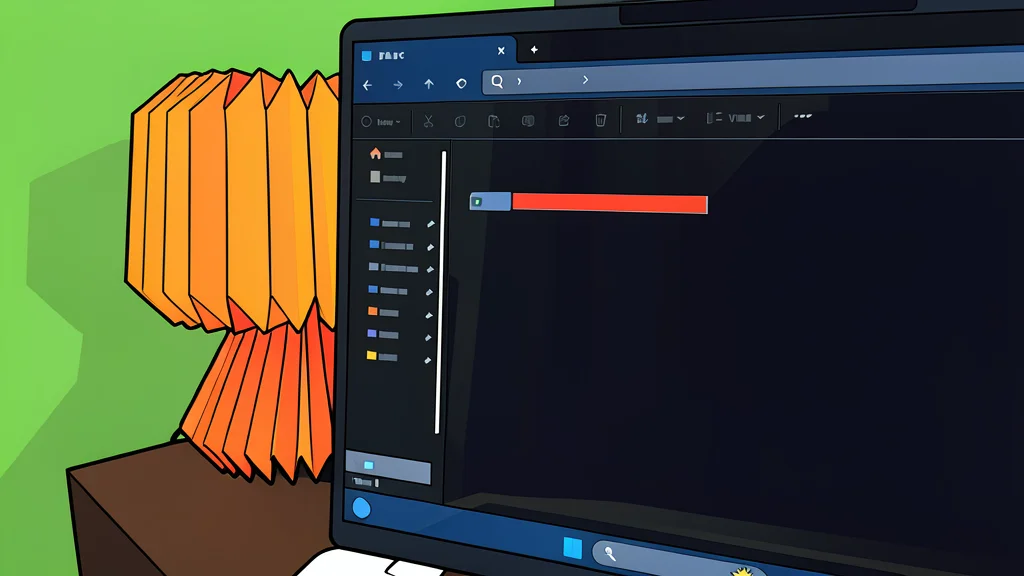
The C drive designation persists due to 1970s floppy disk conventions that reserved earlier letters for removable media.
Key points
- CP/M and MS-DOS reserved A and B for floppy drives, forcing the first hard drive to take the C label.
- Even single-drive systems used B as a phantom drive to allow disk swapping for file operations.
- Modern Windows retains the C drive default to maintain compatibility with legacy hardware addresses and software.
Most Windows users install their operating system on the C drive without questioning why A and B are skipped. This default setting is not a random choice but a direct inheritance from the hardware limitations of the early personal computer era. The naming convention was established by the need to distinguish between different types of storage media that dominated computing in the late 1970s and early 1980s.
In the beginning, floppy disks were the primary method for storing and transferring data. Operating systems like CP/M and later MS-DOS assigned the first two letters of the alphabet to these removable drives. By the time hard drives became common, the C label had already become the standard identifier for the internal fixed disk, a habit that has persisted through every subsequent version of Windows.
Legacy code dictates modern defaults
The origin of this system lies in the CP/M operating system, which was one of the first to use drive letters for identification. It defined A as the primary floppy drive and B as the secondary one. Microsoft’s MS-DOS adopted this structure when it became the standard for IBM-compatible PCs. Because the underlying code and hardware expectations were already built around this scheme, later versions of Windows retained it to maintain compatibility with older software and drivers.
This historical baggage means that even modern systems with no floppy drives still reserve A and B for potential removable media. The catch for users is a minor cognitive hurdle: the alphabet does not start where the primary drive does. However, changing this would require rewriting decades of system code and potentially breaking compatibility with legacy applications that expect specific drive letters.
Floppy drives shaped early computing
Early personal computers, such as the original IBM PC introduced in 1981, typically came with one or two floppy disk drives. These physical slots were critical for booting the system and running software. The A drive was usually reserved for the operating system or boot media, while the B drive was used for data storage or additional programs. This division of labor created a clear hierarchy that the drive letter system reflected.
Even in systems with only one physical floppy drive, the operating system maintained the concept of two logical drives. The B drive acted as a phantom extension of the A drive, allowing users to swap disks for copying files. This mechanism required the OS to prompt the user to insert different media into the same physical slot. The existence of these two logical drives, regardless of the physical hardware, cemented the A and B labels in the system architecture.
Hardware expectations locked in the standard
The BIOS and motherboard hardware of the time were designed with fixed addresses for two floppy drives. This meant that the system always expected to find a device at the A and B addresses. When hard drives were added to the system, they took the next available letter, which was C. According to XDA Developers, this hardware-level expectation is why the C drive remains the default for the main system partition today.
The trade-off for this historical consistency is a slightly unintuitive naming scheme that no longer matches the physical reality of modern computers. While users no longer interact with floppy disks, the drive letter system remains a functional necessity. It provides a stable reference point for software developers and system administrators, ensuring that paths and scripts written decades ago continue to work without modification.