China Launches First Sea-Based Internet Satellite Group
A new maritime launch from off Shanghai marks a shift in how global internet infrastructure is deployed, testing the limits of solid-fuel rockets in harsh ocean conditions.
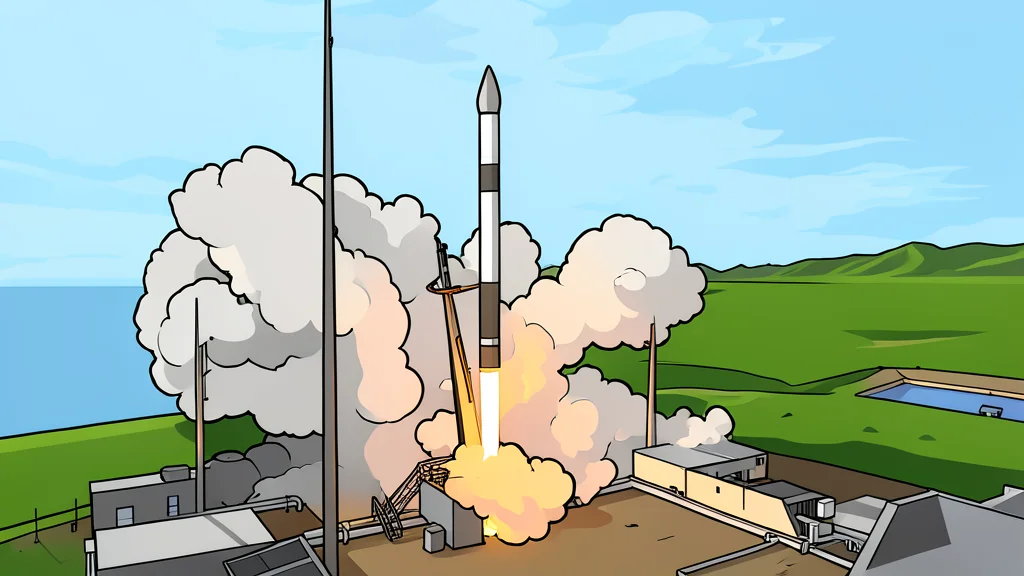
China has successfully placed nine satellites into orbit from a vessel in the waters off Shanghai. This mission marks the first time a low-Earth orbit constellation for broadband internet has been launched from a mobile sea platform. The Gravity-1 Y3 rocket delivered eight satellites from the Qianfan network, along with one technology test satellite, to their designated orbits.
According to reports from GN auto tech/space: satellite deployment, this launch sets two new national records for maritime spaceflight. The total payload mass exceeded three tonnes, and the injection altitude reached 800 kilometers. These figures confirm that sea-based methods are now viable for carrying medium to large-sized satellite payloads, expanding the options for building out global connectivity.
Testing rockets in harsh maritime conditions
Launching from the ocean presents significant environmental challenges that land-based sites do not face. The rocket had to operate in conditions characterized by high temperatures, high humidity, and salt fog. This was the second mobile launch from the Far East for this vehicle, occurring just 56 days after its previous mission, demonstrating a high operational tempo.
The Gravity-1 is a solid-fuelled rocket with a maximum capacity of 6.5 tonnes to low Earth orbit. While this specific mission was dedicated to the Qianfan constellation, the success reinforces the reliability of solid-fuel propulsion in maritime environments. However, solid rockets are typically expendable, meaning each launch requires a new vehicle, which carries higher long-term costs compared to reusable systems.
Shift toward reusable liquid rocketry
As the constellation grows, the industry is moving toward more efficient launch methods. Development of the Gravity-2, a large reusable liquid-fuelled rocket, is gathering pace. This upcoming vehicle is expected to offer a payload capacity of 21.5 tonnes to low Earth orbit, a significant increase over the current solid-fuelled model.
Trade-offs in satellite deployment strategy
Sea-based launches offer flexibility in launch latitude and can reduce the fuel needed to reach certain orbital planes. For the Qianfan project, this allows for more efficient orbit insertion. The trade-off is the logistical complexity of moving a rocket to the open ocean and the exposure to weather delays.
While the current solid-fuelled rockets are reliable, they are not reusable. The transition to the liquid-fuelled Gravity-2 aims to lower the cost per kilogram launched. This is critical for mega-constellations that require hundreds or thousands of satellites to provide seamless global coverage.