China Ramps up Commercial Rocket Launches to 30 per Year
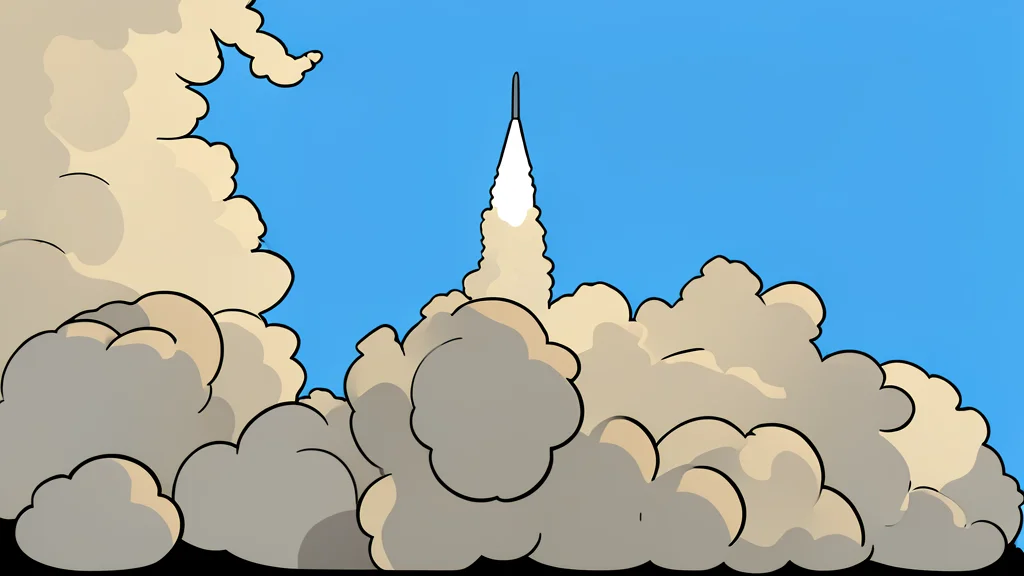
Chinese firms are shifting to routine, airline-style rocket operations to meet the surge in satellite constellation demand.
Key points
- CAS Space has booked Lijian-1 rocket launches through late 2027, driven by satellite constellation demand.
- The company has established a production line capable of manufacturing up to 30 rockets annually.
- Launch cycles at dedicated sites have been reduced to under 10 days to enable high-frequency operations.
Commercial rocket launches in China are becoming more frequent as the industry pivots from sporadic experimental missions to routine, high-density operations. This shift is driven by the urgent need to build large satellite constellations in low Earth orbit, which requires a steady and rapid supply of launch services rather than one-off custom builds.
According to bastillepost.com, major players like CAS Space are restructuring their production lines to handle this volume. The company recently completed its 16th mission for the Lijian-1 rocket, placing nine satellites into orbit. This recent activity highlights a broader trend where commercial launch providers are adopting logistics models similar to the airline industry to keep pace with market demand.
Production shifts to batch manufacturing
The traditional approach of building each rocket from scratch for a specific mission is being replaced by batch production and scheduled shipments. Meng Xiangfu, deputy chief commander of the Lijian-1 program, explained that the tight schedules for deploying microsatellites require a stable and reliable 'space shuttle' capability. This means the focus is now on continuous delivery rather than custom engineering for every single flight.
To support this new model, the development team has established a pulsating production line with an annual capacity of up to 30 rockets. Current bookings for the Lijian-1 are already filled through the second half of 2027, indicating a sustained surge in demand. This volume requires a fundamental change in how hardware is manufactured, stored, and prepared for flight.
Rapid turnaround reduces launch cycles
Speed is a critical trade-off in this new operational model. By utilizing dedicated launch stations and optimizing processes, the time from testing to launch at the site can be reduced to less than 10 days. This rapid turnaround allows for high-frequency launches, ensuring that satellites can be deployed as soon as they are ready. The goal is to eliminate the long gaps between missions that characterized earlier commercial efforts.
Sun Liangjie, deputy chief designer of the rocket, described this as entering the era of 'airline-style' launches. This framework is defined by fixed schedules, rapid turnaround, bulk supply, and reliable fulfillment. While this increases efficiency, it also places immense pressure on reliability, as any failure in a routine operation could disrupt the entire constellation build-out schedule.
Future plans include sea-based launches
Looking ahead, the Lijian-1 program plans to conduct its first sea-based launch. Combining routine land-based operations with mobile sea-based launches allows for greater flexibility in meeting diverse mission requirements. This dual-capability approach is intended to better support the rapid replenishment of satellite constellations, ensuring that coverage gaps are minimized.
The transition to this high-frequency model represents a significant maturation of China's commercial space sector. However, the catch is that maintaining such a tight schedule leaves little margin for error. The industry must balance the speed of deployment with the rigorous safety standards required to prevent costly failures, making the operational consistency of the 'space shuttle' model the central challenge.