ESA Launches Two Satellites to Monitor Oceans and Plant Health
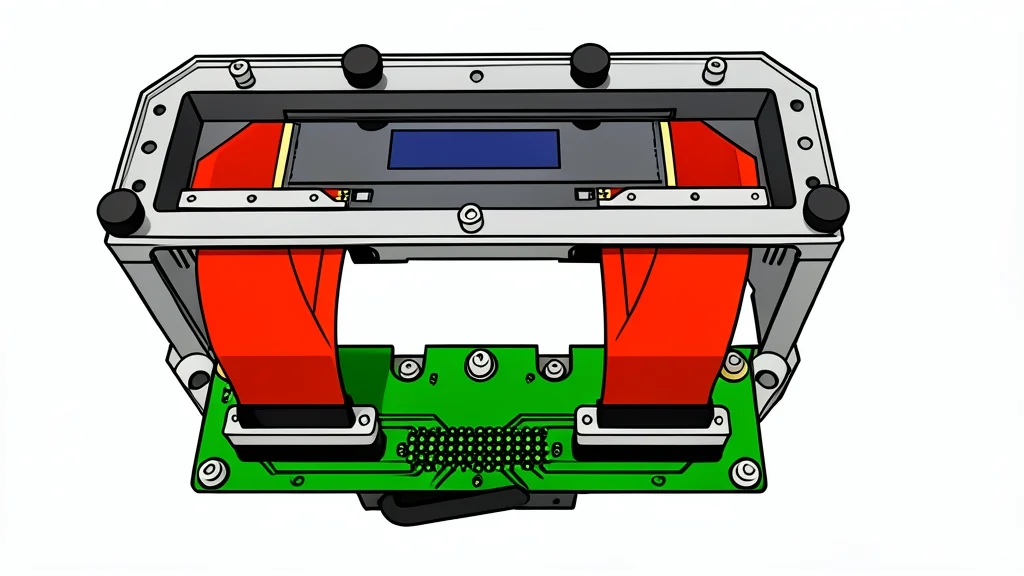
Sentinel-3C and FLEX launched to track ocean colors and plant photosynthesis, extending climate data coverage.
Key points
- Sentinel-3C and FLEX launched from French Guiana to monitor ocean color and plant fluorescence.
- Sentinel-3C replaces an older satellite to ensure uninterrupted long-term climate data records.
- FLEX measures plant fluorescence to estimate carbon dioxide uptake and ecosystem health.
Two new Earth-observation satellites, Sentinel-3C and the Fluorescence Explorer (FLEX), have successfully launched from French Guiana aboard a Vega C rocket. The missions, reported by Cyprus Shipping News, aim to provide continuous data on ocean conditions and vegetation health, filling critical gaps in current climate monitoring capabilities.
Sentinel-3C is the third in its series, designed to take over from the first satellite launched in 2016. This transition ensures that the long-term records of ocean color and land use remain unbroken, which is essential for tracking slow-moving environmental changes like sea surface temperature shifts and algal blooms.
Continuity in ocean observation
The primary value of Sentinel-3C lies in data continuity. By replacing an aging predecessor, the mission prevents a break in the historical record that would complicate climate modeling. The satellite carries specific imaging detectors that capture light from the visible spectrum through near-infrared, allowing scientists to map subtle changes in water color and coastal land use with high precision.
Measuring plant carbon capture
The FLEX mission focuses on a different aspect of the ecosystem: the health of terrestrial plants. It measures the faint fluorescent light emitted by leaves during photosynthesis. This signal acts as a direct indicator of how efficiently plants are pulling carbon dioxide from the atmosphere, providing insights into ecosystem stress and agricultural productivity.
While this data offers a novel view into carbon cycles, the technology is highly specialized. The detectors must be sensitive enough to distinguish the weak fluorescence signal from the much brighter sunlight reflecting off the Earth's surface, a technical challenge that limits the instrument's operational window to specific lighting conditions.
Trade-offs in sensor design
Both missions rely on specific detector technologies that balance spectral range with sensitivity. For FLEX, the ability to measure photosynthetic efficiency comes with the trade-off of requiring precise calibration to separate the plant signal from background noise. This means the data is powerful for understanding ecosystem health but demands rigorous processing to extract actionable insights from the raw spectral data.