Congress Honors 50th Anniversary of Space Shuttle Enterprise Rollout
A bipartisan resolution marks the 1976 debut of the first space shuttle orbiter, recognizing the Antelope Valley workforce that built it and the program's lasting legacy.
Fifty years after the Space Shuttle Enterprise first rolled out of a factory in Palmdale, California, U.S. Congress is formally acknowledging the milestone. A bipartisan resolution introduced by Representatives George Whitesides, Vince Fong, Zoe Lofgren, Jay Obernolte, and Judy Chu commemorates the September 17, 1976 event that marked the beginning of the American space shuttle era.
The legislation is not merely a ceremonial nod to history; it explicitly recognizes the technical workforce of the Antelope Valley region. The resolution highlights the engineers, technicians, and construction workers who designed and tested the vehicle, framing their labor as a foundational element of the United States' aerospace industry. This recognition underscores how local manufacturing capabilities in California contributed to a national program that would later fly 135 missions over three decades.
A region defined by aerospace heritage
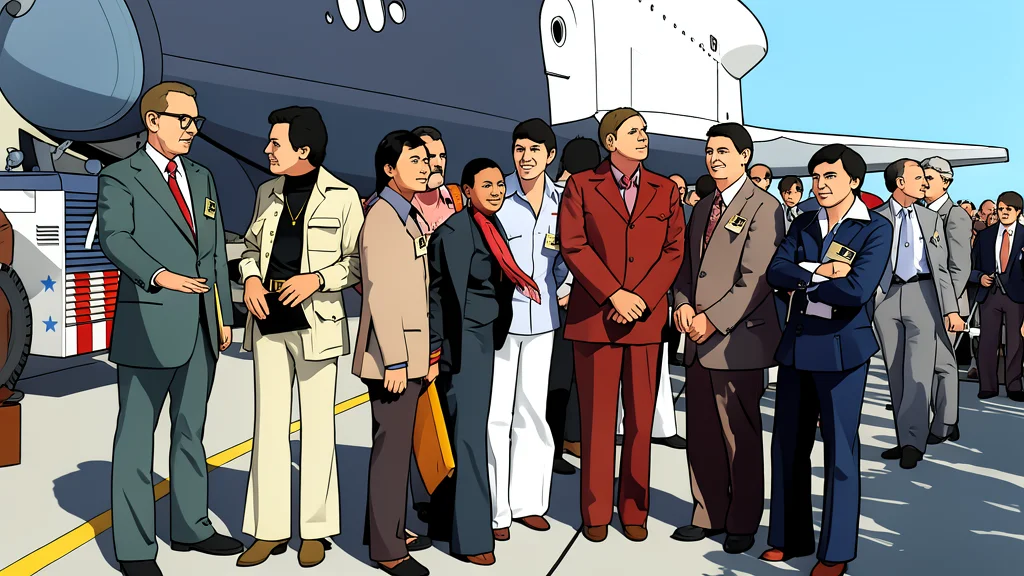
The Antelope Valley has long been a center for aerospace innovation, a status reinforced by the construction of the Enterprise. The rollout event in 1976 was a significant moment for the area, drawing hundreds of guests and capturing public imagination. The shuttle's presence helped solidify the region's identity as a hub for advanced manufacturing and scientific research, a reputation that persists today through institutions like NASA Armstrong and the Mojave Air and Space Port.
The cultural impact of the program was immediate and widespread. The name Enterprise, chosen to honor the fictional starship from Star Trek, resonated with fans and the general public alike. Creator Gene Roddenberry and members of the original cast attended the rollout, linking the real-world spacecraft to a popular cultural symbol. This connection helped popularize spaceflight for a generation, turning a technical achievement into a source of national pride.
Testing the limits of flight
The Enterprise was not built for a single mission but to prove that the shuttle concept was viable. It conducted five free-flight tests above Edwards Air Force Base, validating the vehicle's handling and landing characteristics. These tests were critical to ensuring the safety of the shuttle program. By confirming that the orbiter could operate safely in the atmosphere, the Enterprise paved the way for the subsequent crewed missions that advanced human spaceflight and scientific research.
According to reports from GN auto tech/science: space discovery, the legacy of these tests extends beyond the shuttle itself. The program fostered international cooperation and technological innovation that continues to influence modern aerospace. The resolution serves as a reminder that the success of complex space programs relies not only on high-level strategy but also on the dedicated work of the workforce that builds and tests the hardware.
Preserving the historical record
Today, the Space Shuttle Enterprise is on display at the Intrepid Museum in New York City. Its preservation allows new generations to see the physical artifact of this era. The congressional resolution aims to ensure that the historical significance of the rollout and the contributions of the Antelope Valley workers are not forgotten. By documenting this history, Congress seeks to maintain a clear record of how American aerospace capabilities were developed and refined over the past half-century.