NASA Hosts Second Space Weather Research Meeting in Boulder
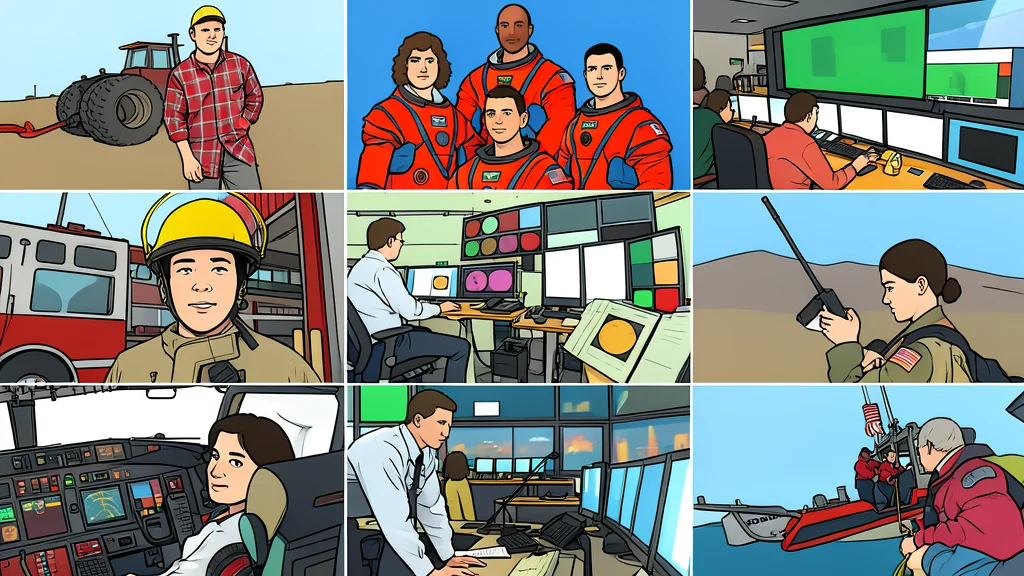
A one-day conference in Colorado brought together scientists and operational forecasters to discuss how better data can protect satellites and power grids.
NASA recently hosted its second annual Space Weather Research to Operations to Research meeting in Boulder, Colorado. The event served as a side meeting to the broader 2026 Space Weather Workshop, marking the first time the Space Weather Program Implementation Office took on the hosting role. The gathering focused on bridging the gap between academic research and real-world operational needs.
The primary goal was to facilitate dialogue between researchers and those who rely on space weather forecasts daily. This includes professionals responsible for protecting critical infrastructure such as power grids, aviation systems, and satellite communications. By aligning these two communities, the organization aims to ensure that scientific discoveries are translated into actionable tools for forecasters.
Connecting research with daily operations
According to GN technics/space, the meeting featured presentations from active projects that directly support operational missions. A key topic was the transition to a new Space Weather Prediction Testbed, a system designed to simulate real-world scenarios for testing forecast models. This infrastructure allows teams to validate their methods before they are deployed in live operations, reducing the risk of errors during actual solar events.
In addition to technical updates, the event included lessons learned from NASA’s Earth Science programs and other agencies. These insights help standardize best practices across different organizations. The objective is to create a more cohesive approach to monitoring solar activity, ensuring that data is interpreted consistently regardless of the agency involved in the analysis.
Sharing engagement strategies for users
Three Space Weather Centers of Excellence presented their experiences in engaging with end users. These centers act as hubs for disseminating information to sectors that depend on space weather data. Their reports highlighted the challenges of communicating complex scientific data to non-specialist audiences, such as airline operators or utility companies.
The presentations emphasized that technical accuracy alone is not enough. Users need clear, context-rich information that helps them make operational decisions quickly. By sharing these engagement strategies, the centers aim to improve the usability of space weather products. This ensures that when a solar storm is predicted, the relevant stakeholders understand the potential impact and can take necessary precautions.
Improving forecast reliability and access
All available presentations from the meeting are now accessible to the public. This transparency allows stakeholders to review the latest developments in space weather modeling and operational readiness. Access to these materials helps external partners stay informed about current capabilities and limitations.
The trade-off in such specialized meetings is that they often require advanced technical knowledge to fully appreciate. However, the focus on operational outcomes makes the content relevant to a wider audience interested in infrastructure resilience. As solar activity continues to pose risks to modern technology, these collaborative efforts remain critical for maintaining safety and reliability in space-dependent systems.