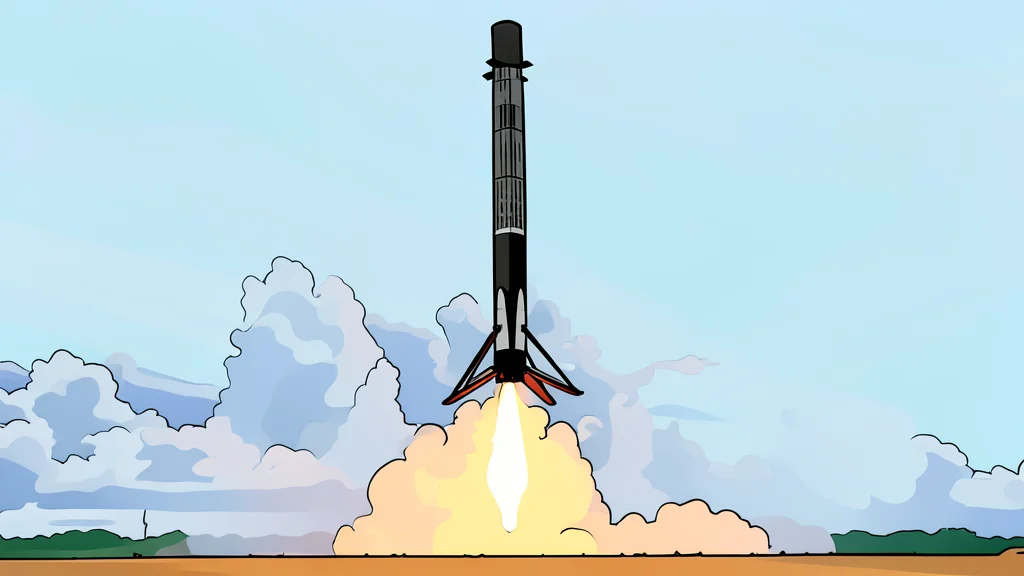
SpaceX Launches Classified Space Force Mission from California
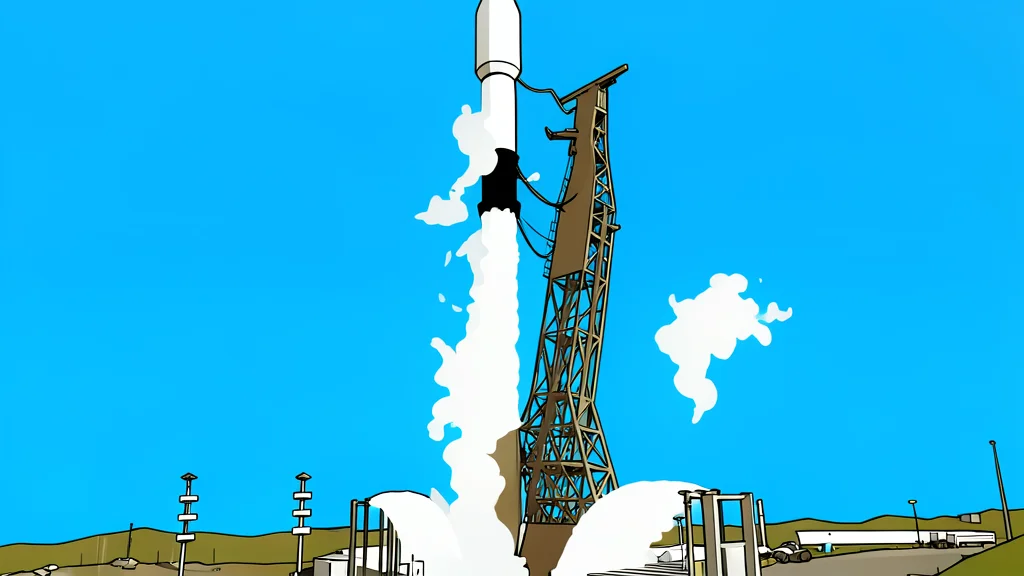
A Falcon 9 rocket lifts off from Vandenberg for a secretive U.S. Space Force mission, marking the third in a series of national security launches this year.
SpaceX is preparing to launch a classified mission for the U.S. Space Force on Wednesday night from Vandenberg Space Force Base in Santa Barbara County. The flight, designated USSF-259, is scheduled for 6:07:56 p.m. PDT and represents the third recent national security launch by the military branch. Unlike commercial flights where payloads are often announced in advance, the specific cargo and objectives of this mission remain undisclosed by government officials.
The rocket will follow a southerly trajectory after leaving Space Launch Complex 4E. This launch was originally planned for Tuesday but was scrubbed before fueling without a public explanation. The rescheduling highlights the often unpredictable nature of military space operations, where weather, technical checks, or security concerns can delay liftoff with little public notice.
Part of a broader satellite campaign
According to reporting by SpaceFlightNow, this flight is one of several similar missions identified in public documents. The Space Systems Command, which oversees these launches, has not confirmed details, but previous missions such as USSF-366 and USSF-153 each carried 23 satellites. USSF-259 is listed as part of the TH-1 series, with another mission designated R-3 already scheduled for late September. This pattern suggests a sustained effort to deploy satellite constellations for national security purposes.
Booster reuse and landing plans
The Falcon 9 first-stage booster supporting this mission is on its 13th flight. It has previously carried commercial satellites, including Sentinel-6B and eight Starlink batches. After separating from the upper stage, the booster is expected to land autonomously on the Of Course I Still Love You droneship in the Pacific Ocean. A successful landing would mark the 224th touchdown on that specific vessel and the 661st Falcon booster landing in history.
Residents in Santa Barbara, San Luis Obispo, and Ventura counties may hear sonic booms during the ascent, depending on atmospheric conditions. SpaceX notes that the launch will be visible from the night sky if observers can travel to dark areas away from city light pollution. A live webcast will begin approximately ten minutes before liftoff on SpaceX’s website.
Balancing secrecy and operational reliability
The primary trade-off in these classified missions is the lack of public transparency. While SpaceX handles the technical execution and booster recovery with its usual precision, the customer’s secrecy prevents detailed post-flight analysis. For the public, the stakes are limited to potential sonic booms and the visual spectacle of the launch. For the U.S. Space Force, the success of these deployments is critical for maintaining secure communications and surveillance capabilities, making the reliability of the 13th-flight booster a significant operational factor.