Apple Delays Screenless AI Pendant Due to Design Flaws
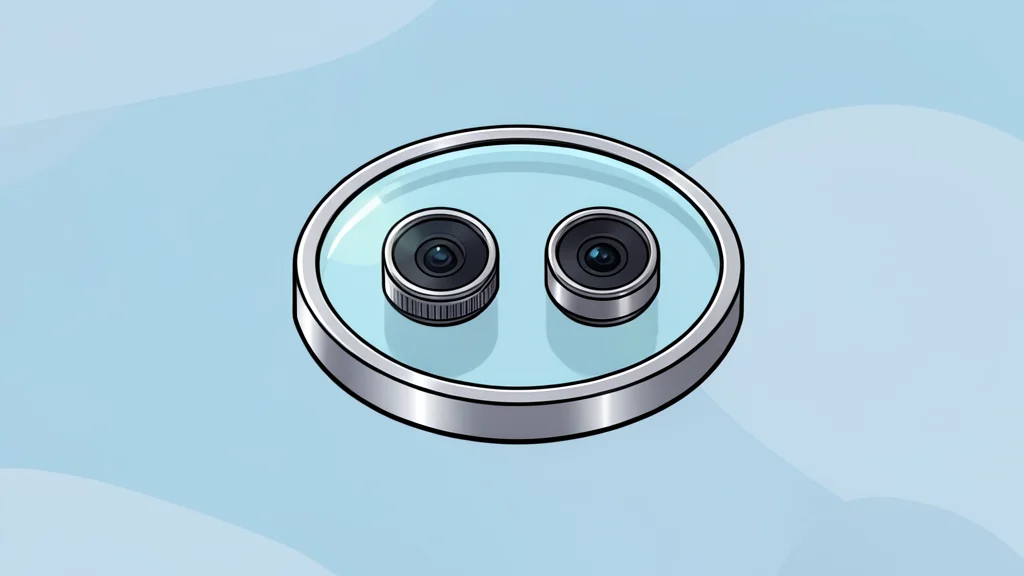
Apple has postponed its wearable AI pendant. The device faces physical stability issues that plagued previous competitors like Humane.
Key points
- Apple has postponed its AI pendant, a circular disc with two cameras, citing unspecified reasons.
- Previous similar devices failed because magnets could not hold them securely on clothing, leading to shaky footage.
- Apple is reportedly focusing on adding camera sensors to AirPods instead, leveraging its existing successful wearable ecosystem.
Apple has postponed the release of its AI wearable pendant. The device was originally described as a flat, circular disc with two cameras. Reports indicate the project may face indefinite delays.
Gizmodo notes that this delay aligns with the physical limitations of similar devices. A wearable that cannot stay securely attached to clothing fails its primary purpose. This issue has doomed previous attempts at screenless AI hardware.
Physical stability remains a major hurdle
Previous devices like the Humane AI Pin struggled with attachment. Strong winds could blow the unit off a shirt. Magnets also failed to hold the device on thicker winter jackets.
This instability causes the built-in cameras to flop around constantly. The result is often poor resolution or shaky video. A wearable that cannot be worn reliably defeats its core function.
Apple Watch and AirPods offer better paths
Apple already owns two of the most popular wearable categories. The Apple Watch and AirPods are established market leaders. These devices are better suited for integrating new AI features.
Software updates to existing hardware can add intelligence without new hardware risks. Reports suggest Apple is working on AirPods with camera sensors. This approach avoids the stability problems of a loose pendant.
Market history shows a pattern of failure
Several companies have tried and failed in this space. The Narrative Clip attempted lifelogging over a decade ago. The Limitless AI recorder also disappeared from the market.
Consumers generally dislike wearing what feels like a body camera. The stink of failed competitors still lingers. Apple may decide that existing devices are the safer bet for AI.