Apple Joins Readiness Score Race Lacking Clinical Proof

New research highlights a critical gap between wearable health metrics and verified medical advice for users.
Key points
- Recent reviews show that most wearable readiness scores lack published evidence proving their advice improves health outcomes.
- Consumer devices use optical sensors that differ from clinical ECG methods, limiting the direct application of medical research.
- Experts recommend treating readiness scores as long-term personal trends rather than precise daily instructions for training.
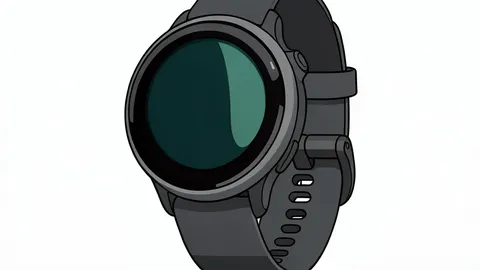
The morning readiness score on your wrist has become a central part of daily fitness routines, but a new analysis suggests these numbers may not be as reliable as users believe. As Apple introduces its own Readiness feature on the latest Watch models, the industry faces a shared problem: a lack of evidence proving that following these scores actually improves health or performance.
Major brands like Garmin, Oura, and Whoop all provide similar daily ratings based on sleep, heart rate, and activity. While the intent is to guide exercise intensity, experts note that few manufacturers have published studies validating that their specific advice leads to better outcomes. This creates a situation where users are making important physical decisions based on metrics that have not been clinically tested against real-world results.
Evidence gap in health advice
A 2025 review of fourteen wearable health scores found that while most rely on similar data points, very few companies have proven their final recommendation is accurate. The strongest evidence cited was a study of professional golfers, but even that lacked a control group and only showed an association rather than a direct cause-and-effect relationship. This means there is currently no standardized proof that a low score prevents injury or that a high score guarantees optimal recovery.
The core issue is the translation from raw biological data to actionable advice. Wearables can detect changes in the body, but they have not consistently demonstrated that their algorithms correctly interpret those changes for the specific user. Without rigorous testing, the advice remains a guess rather than a verified medical recommendation.
Optical sensors limit accuracy
Most wearables do not use the same heart rate variability methods as clinical hospitals. Instead, they use optical sensors to track pulse waves, a technique that can be less reliable during movement or if the fit is poor. Research linking low heart rate variability to health risks is primarily based on electrocardiogram data, which makes it difficult to apply those findings directly to consumer devices.
Furthermore, factors like alcohol, stress, and illness can all lower these readings without indicating a specific health threat. The device sees the drop in the number but cannot identify the cause. This limitation means the score is a general indicator of physiological stress rather than a precise diagnostic tool.
Better used as trends
Experts from Gadgets & Wearables suggest that users should view readiness scores as personal trend indicators rather than daily instructions. A single low score after a bad night's sleep or a hard workout is normal and does not necessarily require a change in behavior. However, a consistent downward trend over several days may signal that the body needs more rest.
The key is to recognize the trade-off. The device provides useful data about your body's state, but it lacks the context to prescribe the perfect solution. Users are better served by monitoring their own patterns over time rather than rigidly following a single daily number.