Apple Watch Conversation Features Face Privacy Scrutiny
New Apple Watch features promise to capture daily conversations without saving audio files, yet experts warn that the distinction between temporary processing and permanent data collection remains blurred for many users.
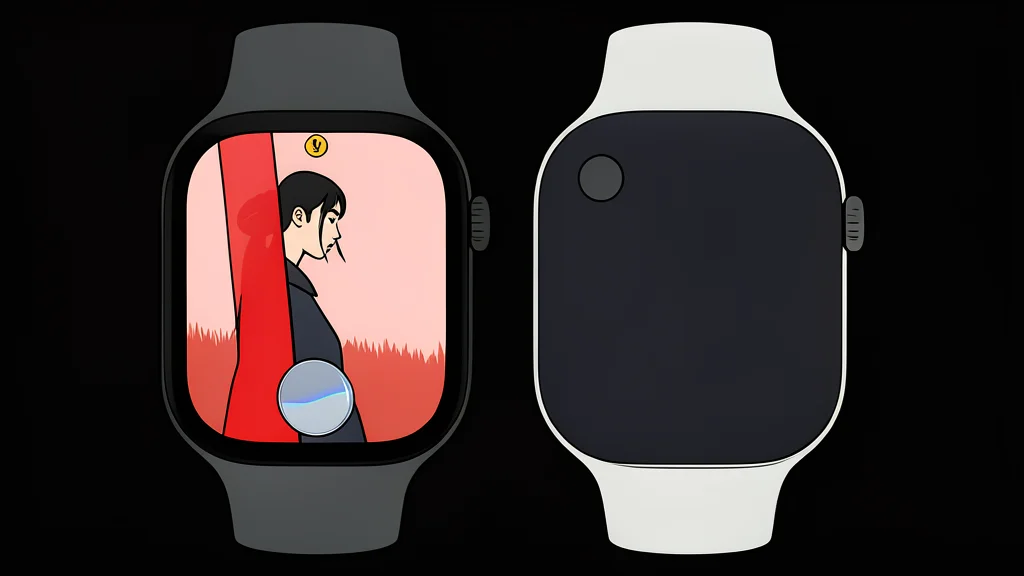
Apple recently introduced Siri Recap and Live Rewind for the latest Apple Watch, positioning them as tools to help users retain important details from everyday interactions. The company claims these features do not create or store audio recordings, asserting that no such files exist to be shared or produced upon request. However, this assurance has sparked debate among privacy specialists who argue that the technical nuance of how data is handled may not be fully appreciated by the general public.
According to coverage by GN auto tech/wearables, the core of the controversy lies in the difference between a static file and a fleeting data stream. While Apple states that audio is processed and then deleted immediately, the fact that it is captured, encrypted, and transmitted to a smartphone for transcription means that a temporary record did exist. This distinction is critical for understanding the real-world implications of wearable technology that listens to the environment.
How Conversation Data Is Processed
When a user enables these features, the watch’s processor uses an AI model to detect speech patterns that resemble a conversation. Once detected, the audio is routed to a secure, isolated area of the chip known as a Secure Enclave. From there, the audio is encrypted and sent to the paired iPhone, where it is decrypted and transcribed into text. An on-device model then condenses this transcript into a short summary, stripping away most of the original length while preserving key points.
Only this condensed text is sent to Apple’s Private Cloud Compute system for final formatting. The cloud adds context, such as location or calendar details, to generate a title and summary. After this process, Apple says the original audio is permanently deleted from both devices. The final output resembles meeting notes rather than a verbatim transcript, and it is not possible to reconstruct the original audio from the summary.
The Trade-off Between Utility and Privacy
For users, the benefit is clear: a reliable way to remember instructions, appointments, or casual commitments without manually taking notes. However, the catch is that the device is actively listening to the environment. Although the features are opt-in, the mere presence of a listening device can alter social dynamics. Some observers note that this places the Apple Watch in the same category as smart glasses that have previously raised concerns about unauthorized surveillance.
Privacy experts point out that while no permanent recording exists, the temporary existence of audio data during processing is a significant factor. The phrase “no recording exists” is technically true only after the data has been converted and deleted. Until that moment, the audio is present and vulnerable to potential interception or error. This creates a gray area where the promise of privacy relies heavily on the flawless execution of a complex, multi-step technical process.
Social Implications of Ambient Listening
One notable difference between the two features is how they handle notification. Siri Recap does not alert others that a device is listening, whereas Live Rewind provides some indication. This asymmetry means that in many scenarios, the people around the wearer may not know their words are being captured for potential summarization. This lack of transparency can lead to discomfort, particularly in professional or private settings where confidentiality is expected.
As wearable technology becomes more integrated into daily life, the line between helpful automation and invasive monitoring becomes harder to define. Apple’s approach emphasizes security and immediate deletion, but the fundamental act of capturing ambient speech remains a sensitive issue. Users must weigh the convenience of automatic memory aids against the potential privacy risks associated with having a device that is always ready to listen.