Electric Two-Wheeler Motor Market Set to Double by 2030
The core components powering electric scooters and motorcycles are entering a period of rapid expansion, with market value expected to more than double in the coming decade.
The engine room of the electric two-wheeler industry is growing at a pace that outstrips many other automotive sectors. According to a new report, the global market for these specific electric motors was valued at approximately 4.53 billion dollars in 2025. This figure is projected to climb to 5.36 billion dollars in 2026, marking an annual growth rate of 18.2 percent. This acceleration is not just a statistical blip; it reflects a tangible shift in how cities are moving people and goods.
Looking further ahead, analysts expect the market to reach 10.29 billion dollars by 2030. This sustained expansion is being fueled by a mix of economic pressures and environmental concerns. As fuel prices remain volatile, consumers and logistics companies are increasingly turning to electric options for their lower operating costs. The source, GN auto tech/ev, notes that this trend is particularly strong in urban areas where space and efficiency are premium assets.
Mechanics of Urban Mobility
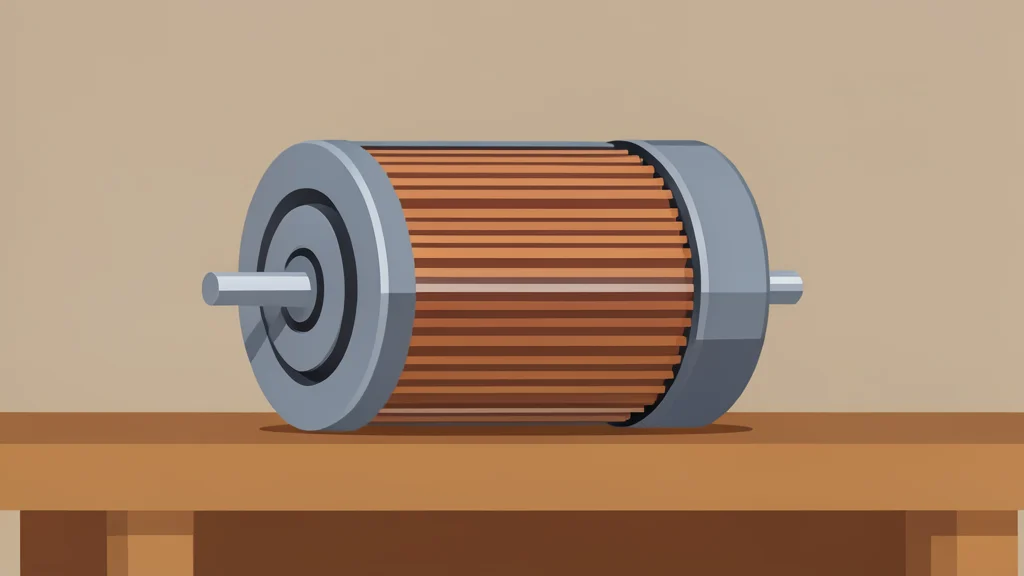
To understand why this market is surging, it helps to look at what these motors actually do. In simple terms, they are the heart of the vehicle, converting stored electrical energy from a battery into the mechanical force needed to turn the wheels. Unlike internal combustion engines that burn fuel, these devices use electromagnetic principles to generate torque. This allows for instant acceleration and smoother control, which is crucial for navigating tight city traffic.
The technology behind these motors is also evolving to meet specific needs. Manufacturers are increasingly adopting permanent magnet synchronous motors because they offer better performance and efficiency compared to older designs. There is also a clear preference for lightweight and compact units, as riders need vehicles that are easy to handle and park. These engineering choices directly translate to better range and handling for the end user.
Drivers Beyond Personal Transport
While individual commuters are a major part of this growth, the logistics sector is playing an increasingly significant role. Last-mile delivery services are electrifying their fleets to cut costs and reduce emissions. This demand for reliable, high-efficiency motors in cargo scooters and motorcycles is adding substantial volume to the market. The rise of these commercial applications is supported by government incentives that make electric vehicles more affordable for businesses.
Infrastructure development is another key factor. As charging networks become more widespread, the anxiety associated with range is diminishing. This encourages both consumers and companies to invest in electric two-wheelers with greater confidence. The integration of smart control systems and better thermal management is also helping to extend the lifespan of these motors, making them a more viable long-term investment.
Trade-Offs in Motor Design
However, this rapid growth is not without its challenges. One major trade-off involves the balance between motor size and power output. While high-performance motors provide better acceleration and torque, they often add weight and complexity to the vehicle. Engineers must carefully manage thermal output to prevent overheating, which can degrade battery life and reduce overall efficiency.
There is also a cost consideration. High-efficiency hub motors and advanced battery systems can increase the upfront price of the vehicle. For many consumers, this higher initial cost is the primary barrier to entry, even if the long-term savings on fuel and maintenance are significant. The market’s continued growth depends on manufacturers finding ways to lower these production costs without sacrificing the reliability and performance that riders expect.