Moto Watch Ultra Balances Premium Design with Budget Constraints
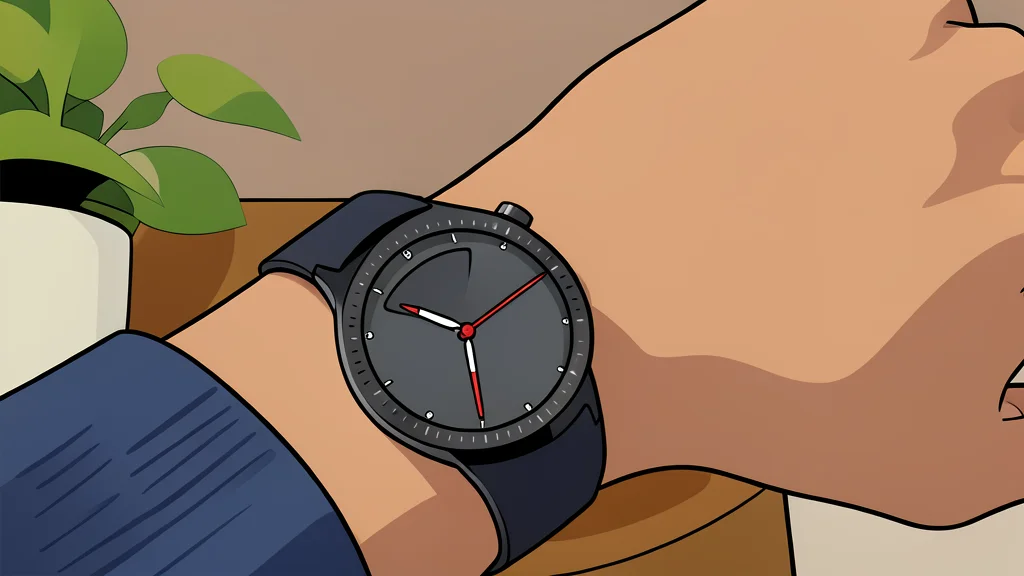
Motorola's latest smartwatch aims for a mid-market sweet spot, combining a stainless steel body and LTE connectivity with a display that may feel dated to heavy users.
Motorola has entered the competitive smartwatch arena with the Moto Watch Ultra, a device designed to bridge the gap between affordable fitness trackers and high-end Wear OS models. According to reporting from GN auto tech/wearables, the watch features a substantial stainless steel housing and a 1.5-inch display, aiming to appeal to users who want a durable, stylish device without the premium price tag of flagship competitors.
The core appeal lies in its combination of modern connectivity and classic aesthetics. It supports LTE, allowing users to make calls and stream music without a phone nearby, while running on Wear OS 6. The inclusion of Polar-based fitness tracking software adds a layer of health monitoring that goes beyond basic step counting, targeting users who prioritize accurate activity data.
Stylish build meets practical features
The physical design of the Moto Watch Ultra leans heavily on a premium feel. The stainless steel case is paired with two interchangeable straps, a leather option for formal settings and a silicone band for sports. This flexibility allows the watch to transition from office to gym seamlessly. Additionally, the use of standard 22mm bands means users are not locked into proprietary accessories, which is a significant advantage for those who already own compatible watch straps.
Battery life is rated for two days on a single charge, a reasonable expectation for a smartwatch with a large display and LTE capabilities. While this is not record-breaking, it is sufficient for most users who prefer not to charge their devices every night. The large 1.5-inch screen offers ample space for notifications and maps, though the resolution and brightness may vary based on the specific panel used.
Internal hardware reveals cost-cutting measures
Beneath the premium exterior, the hardware choices reveal a focus on cost efficiency. The watch is powered by the Snapdragon W5+ Gen 1 processor, a chip that is no longer considered cutting-edge. This is paired with only 2GB of RAM, which may limit multitasking performance and long-term software support. For users who rely heavily on complex apps or intensive navigation, these limitations could become apparent over time.
The display protection is another area where compromises have been made. The use of Gorilla Glass 3, rather than newer generations, suggests a lower resistance to scratches and impacts. While this keeps the price down, it requires more careful handling to maintain the device's appearance. These internal constraints are the trade-off that allows Motorola to offer LTE and a metal body at a more accessible price point.
Value proposition for Android users
For Android users seeking a smartwatch that looks expensive without costing a fortune, the Moto Watch Ultra presents a viable option. It delivers the essential features of a modern smartwatch, including LTE, a large display, and robust fitness tracking, while sacrificing some raw power and durability. It is not the most powerful device on the market, but it offers a well-rounded package that prioritizes style and connectivity over brute performance.
The decision to choose this watch depends on what the user values most. If priority is given to sleek design, standalone connectivity, and a reasonable price, the Moto Watch Ultra fits the bill. However, those who demand top-tier processing speed, the latest display technology, and maximum scratch resistance may find the internal hardware too modest. It is a calculated risk by Motorola, aiming to capture a large segment of the market by offering a premium look at a mid-range cost.