Smartwatch Market Shifts Toward Health Precision
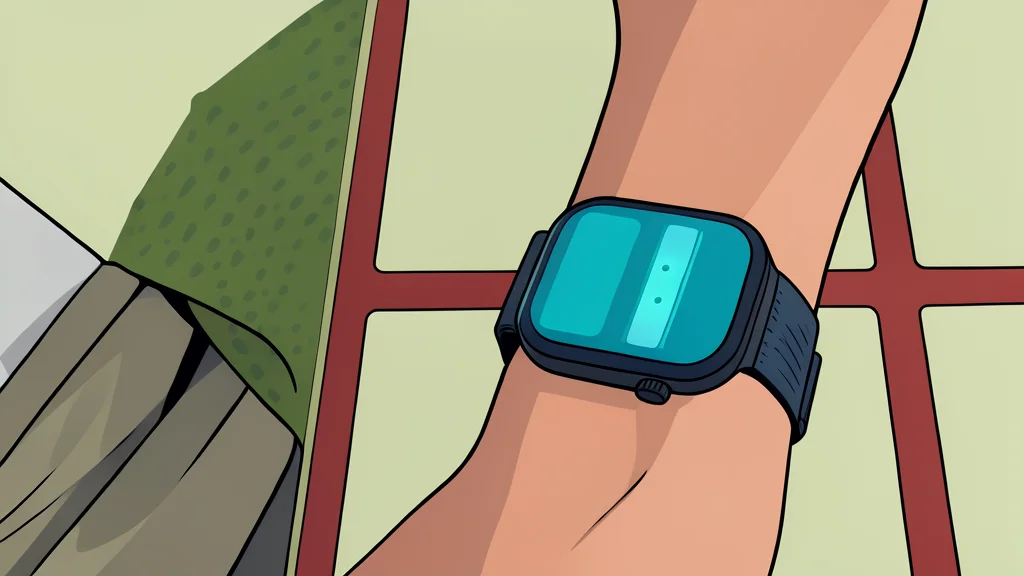
The 2026 smartwatch landscape is defined by a move away from basic notifications toward advanced health monitoring, with trade-offs in price and size.
The smartwatch market in 2026 is less about keeping up with notifications and more about how accurately devices can monitor physiological data. Manufacturers are prioritizing improved sensing technologies that provide a higher volume of health readings per minute. This shift reflects a broader consumer demand for devices that offer medical-grade insights without requiring a separate wearable for each metric.
However, this increase in precision comes with tangible trade-offs. While battery life has improved across the board, the most advanced models often sacrifice compactness for durability or sensor depth. Buyers must now decide whether they value a sleek, everyday aesthetic or the rugged, data-rich capabilities of outdoor-focused devices. The gap between entry-level and premium models has narrowed in software support but widened in hardware sophistication.
Health Sensors Drive Premium Value
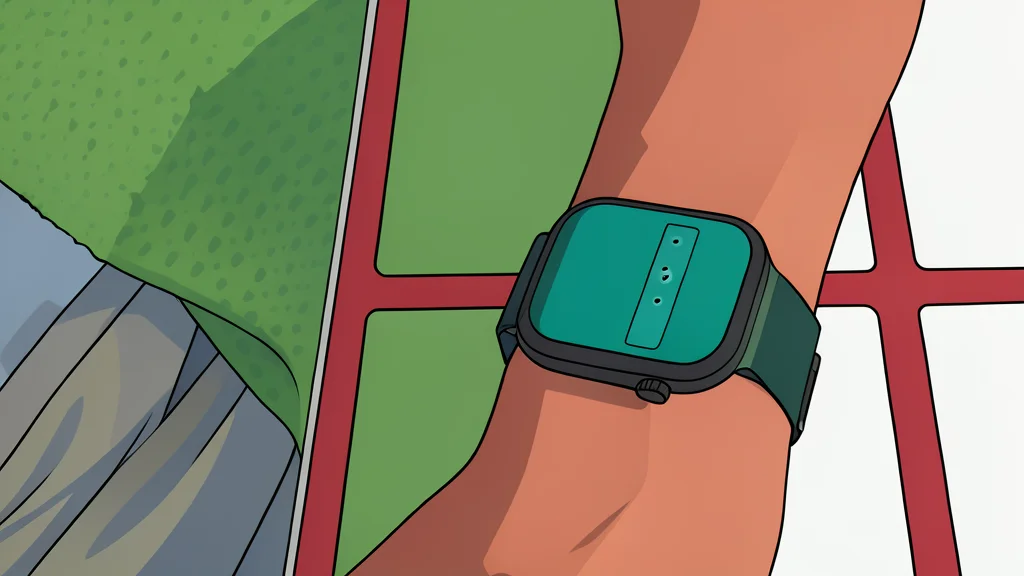
Leading models now measure heart rate every five seconds and provide heart rate variability readings every five minutes. This frequency of data collection allows for a more granular understanding of physical readiness and stress levels. The technology behind these readings has been redesigned to offer greater accuracy, addressing a common criticism of previous generations where data was often too sparse to be actionable for daily health management.
According to GN auto tech and wearables coverage, the focus on health metrics is the primary differentiator for mid-range and high-end devices. While budget options still offer basic activity tracking, they lack the predictive capabilities found in premium tiers. This means that for users who rely on their watches for serious health monitoring, the lower-priced models may not provide the depth of data required for meaningful insights.
Trade-offs Between Size and Utility
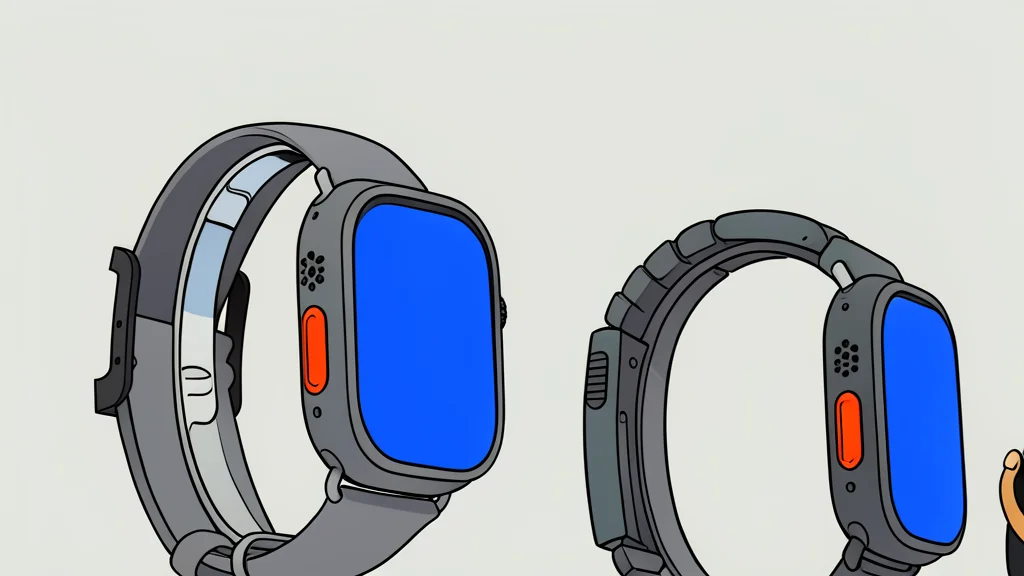
The most capable watches are often the bulkiest. Models designed for outdoor adventures, such as diving or hiking, incorporate larger cases and robust materials to house advanced GPS and satellite capabilities. This design choice makes them less suitable for everyday wear, particularly for those who prefer a discreet profile under a shirt cuff. The catch is that the most versatile device for extreme conditions is often the least practical for a typical office day.
Conversely, sleeker models prioritize a lightweight aluminum construction and a minimalist design. These watches are easier to wear for extended periods but may lack the specialized sensors found in their rugged counterparts. Users must weigh the importance of specific outdoor features against the daily comfort of a lighter, smaller device. There is no longer a single watch that perfectly serves both casual and extreme needs without compromise.
Entry Level Models Lag Behind
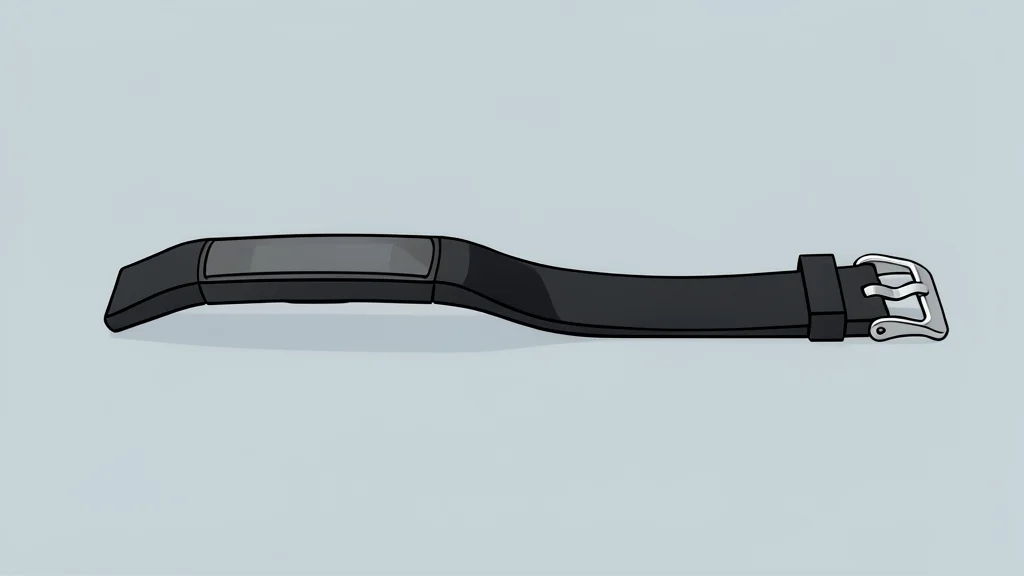
Budget-friendly smartwatches continue to serve as a gateway into the ecosystem, offering essential functions like call handling and basic step counting. However, they are technically less accurate and advanced than their premium siblings. While they benefit from the same software updates and app integrations, the hardware limitations mean they cannot match the sensing precision of higher-tier models. This creates a two-tier market where the best health data remains a premium feature.
For new users, the decision often comes down to whether they need a simple notification hub or a comprehensive health companion. The entry-level option removes the complexity of choosing between case materials and advanced sensor suites, but it also caps the ceiling of what the device can do. The market is now clearly segmented, with each tier offering a distinct balance between cost, style, and physiological insight.