Smartwatch Buyers Face Trade-Offs Between Accuracy and Battery Life
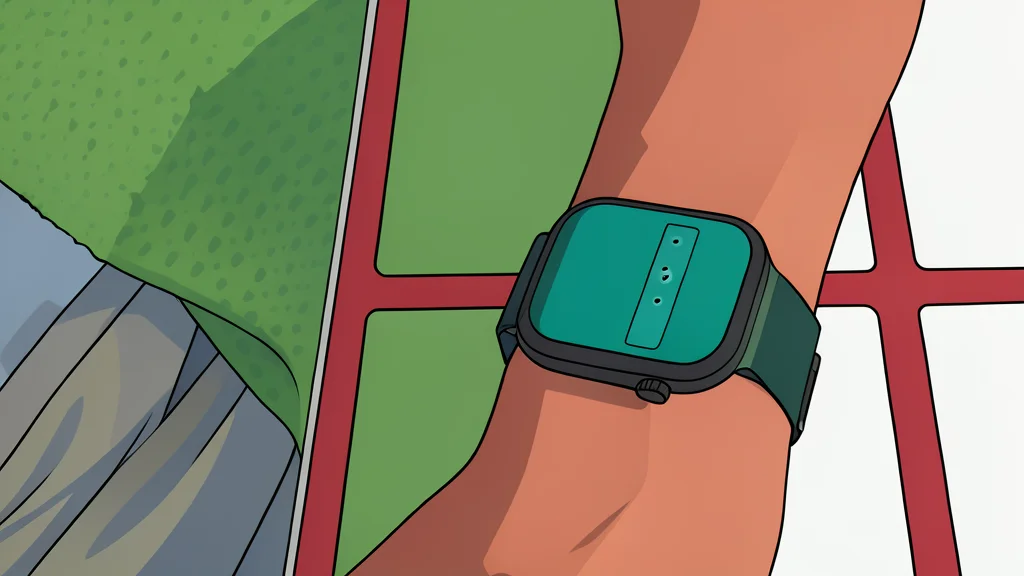
The latest smartwatch releases promise better health data, but users must decide if the added precision is worth the cost and bulk.
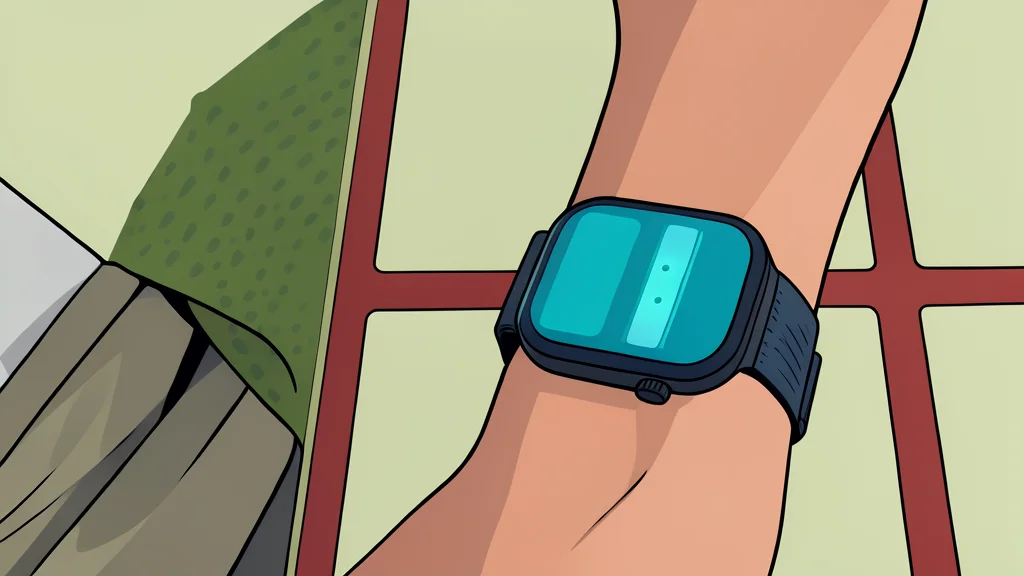
The smartwatch market in 2026 is defined by a shift toward deeper health integration, but this comes with clear trade-offs. Consumers are now expected to choose between high-precision sensors that drain batteries faster and budget-friendly models that offer basic tracking with less accuracy. The decision is no longer just about brand loyalty, but about which specific features justify the price premium.
According to recent reviews from GN auto tech/wearables: fitness tracker, the latest generation of devices offers significant improvements in sensing technology. However, these advancements often come at the cost of simplicity. Users must weigh the benefit of continuous, high-frequency data collection against the complexity of managing new health metrics and the potential for increased power consumption.
Precision sensors demand battery trade-offs
The flagship models now measure heart rate every five seconds and provide heart rate variability readings every five minutes. This level of detail is impressive for health monitoring, but it places a heavier load on the battery compared to previous generations. While manufacturers claim improved efficiency, users should expect that the most accurate data collection will still require more frequent charging than basic models that sample data less often.
Budget options sacrifice advanced tracking
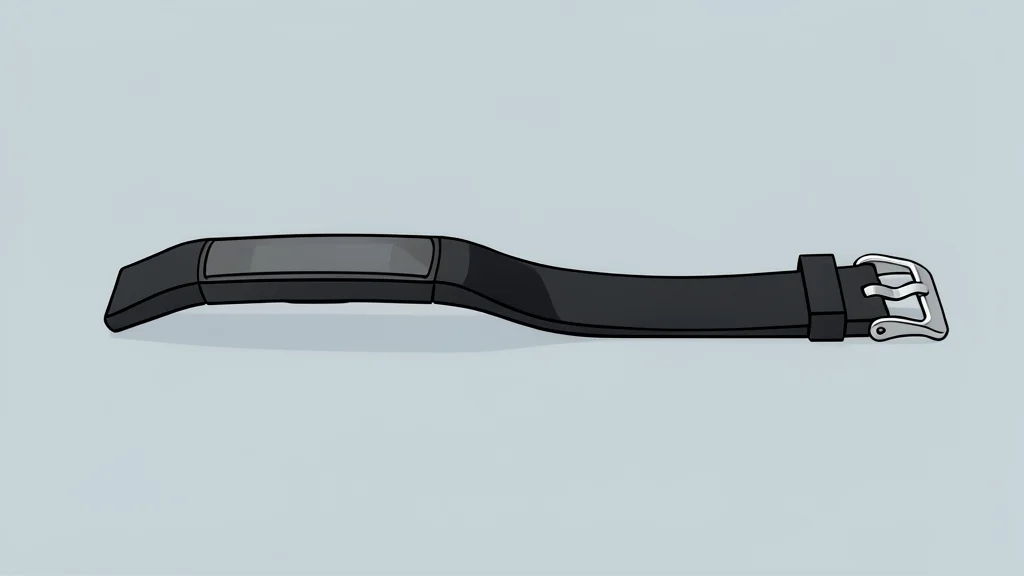
For those unwilling to pay for top-tier sensors, entry-level smartwatches remain a viable option. These devices handle essential tasks like step counting and call notifications effectively. The catch is that they lack the granular health insights found in premium models. If your priority is simple connectivity and basic fitness tracking, the lower price point makes sense, but you are giving up the predictive health features that define the current market leaders.
Rugged designs prioritize durability over comfort
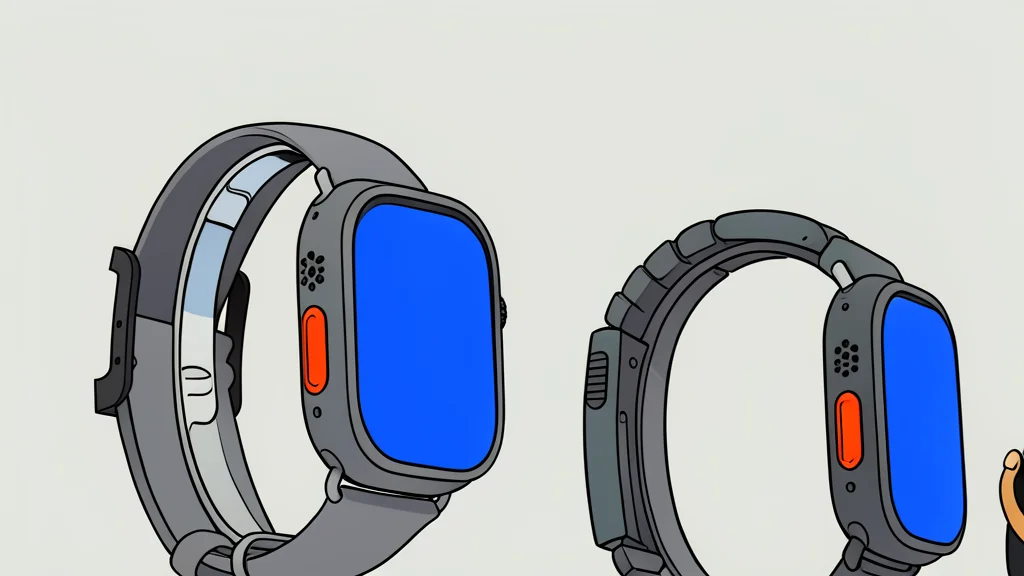
Outdoor-focused smartwatches offer robust features like satellite connectivity and enhanced durability for diving or hiking. However, these benefits come with a noticeable increase in size and weight on the wrist. For everyday wear, the bulk can be a significant drawback. Buyers must decide if the specialized outdoor capabilities are worth the compromise on daily comfort and style, as these models are generally less discreet than their slimmer counterparts.