Samsung Galaxy Watch9 Offers Modest Upgrades over Previous Model
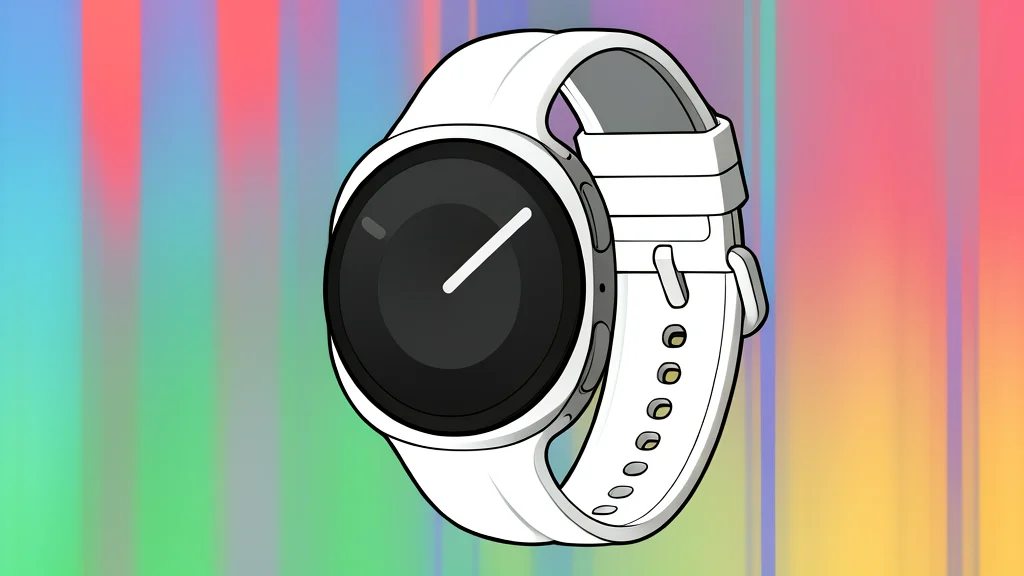
The new smartwatch brings a faster processor and expanded health metrics, though battery life remains a significant bottleneck for daily use.
Samsung has released the Galaxy Watch9, positioning it as the standard everyday smartwatch alongside its more rugged Ultra counterpart. The device arrives with a faster processor and a slightly larger battery, aiming to offer a smoother experience for users deeply integrated into the Samsung ecosystem. However, the changes are incremental rather than revolutionary, making it a difficult upgrade decision for owners of the previous generation.
Priced starting at $80, the Watch9 comes in 40mm and 44mm cases with color options including cream, graphite, and silver. While the hardware tweaks are subtle, the software experience has received notable attention, particularly in how the watch interacts with modern AI assistants and health tracking applications.
Performance Improvements Feel Noticeable
The most tangible hardware change is the shift to Qualcomm’s Snapdragon Wear Elite platform. This new chip improves both processing speed and energy efficiency, resulting in a noticeably snappier interface. Scrolling through menus and launching apps feel more responsive than on the previous model, reducing the lag that often plagues smartwatches.
Software updates also contribute to the improved feel. Wear OS 7 introduces more customizable widgets and live updates from compatible apps. A standout addition is the raise-to-talk feature for Gemini, which allows users to lift their wrist and speak directly to the AI assistant. This feature has been available on competing devices for two generations, so its arrival on the Galaxy Watch9 feels like a much-needed catch-up.
Battery Life Lags Behind Expectations
Despite a larger battery capacity, the Watch9 does not offer a significant increase in usage time. The 40mm model now houses a 390-mAh cell, up from 325 mAh, but the added power is consumed by the expanded suite of health sensors. In real-world testing, the watch averaged around 25 hours of battery life with the Always-On Display enabled, falling short of the manufacturer's 30-hour estimate.
Charging speed presents another trade-off. Reaching a full charge takes approximately 100 minutes, which is considerably longer than competitors like the Pixel Watch 5 that can charge in under an hour. This means users must plan their charging routine carefully, as the watch cannot be left to charge overnight without risking a full day without power.
Health Features Drive Power Usage
The Watch9 expands its wellness metrics, offering a deeper look at user health data. These additional sensors and continuous monitoring capabilities are the primary reason for the increased power draw. While the data provided is valuable for fitness enthusiasts, it comes at the cost of shorter intervals between charges.
According to testing reported by GN auto tech/wearables: fitness tracker, the device is a solid choice for those already invested in Samsung’s ecosystem or users with older Galaxy Watches. However, those upgrading from the previous model may find the benefits too modest to justify the switch, especially given the persistent battery limitations.