Merging IKEA and Philips Hue Smart Lighting Systems
Home users can now integrate budget-friendly IKEA smart lights into existing Philips Hue ecosystems using new software standards and community-driven hardware modifications, though each method involves specific functional trade-offs.
IKEA has gained significant ground in the smart home market with accessible pricing and a user-friendly app. However, many consumers prefer the robust ecosystem of Philips Hue, creating a demand for compatibility between the two distinct systems. Recent developments have opened several pathways for integrating these brands, ranging from official software updates to informal hardware modifications that allow mixed-brand setups to function together.
According to reporting from GN technics/smarthome (en-US), these integration methods vary widely in terms of complexity and the level of control they offer. While some solutions provide seamless, app-based management, others require physical intervention into the devices. Each approach balances convenience against functionality, meaning users must decide which limitations they are willing to accept in exchange for a unified lighting experience.
Matter standard enables broad compatibility
The adoption of the Matter smart home standard offers the most straightforward route for integration. IKEA recently released a driver update that allows its integrated lights, such as cabinet strips and spots, to communicate with Matter-compatible hubs. This means users can control these devices through a single interface, whether that is a smart speaker or a third-party hub. The standard also supports other IKEA products like the Varmblixt and Kajplats bulbs.
This method allows users to mix IKEA fixtures with lights from other manufacturers, including Nanoleaf, Govee, and Philips Hue. The primary benefit is simplicity, as no physical changes to the lights are required. However, the scope of control is limited to the features supported by the Matter protocol, which may not include the advanced automation or entertainment syncing features found in proprietary ecosystems.
Direct bridge connection limits advanced features
For those who prefer to stay within the Philips Hue app, a direct connection to the Hue Bridge is possible. This works because both brands utilize the Zigbee Light Link wireless protocol. The process involves ensuring the IKEA light has the latest software, resetting it, and pairing it with the Bridge. Once connected, users can set schedules, group lights, and trigger actions using Hue sensors.
There is a distinct trade-off here. While basic control is functional, users lose access to specific Hue features. For instance, dimming via the Hue Tap Dial may not work, and the lights cannot be incorporated into the Philips Hue Play entertainment system. This method is best suited for users who prioritize app consolidation over granular control or media-sync capabilities.
Hardware hacks carry overheating risks
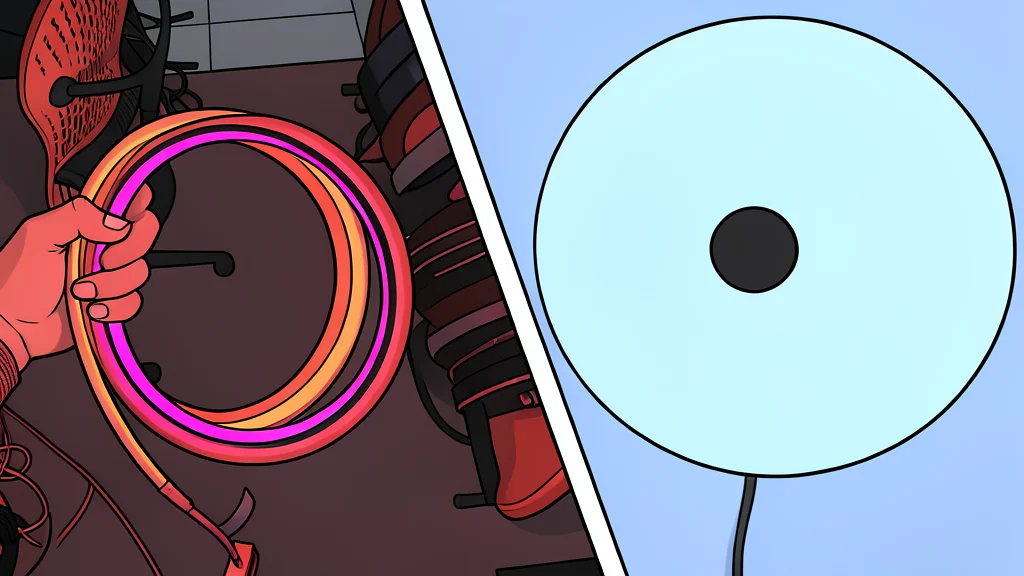
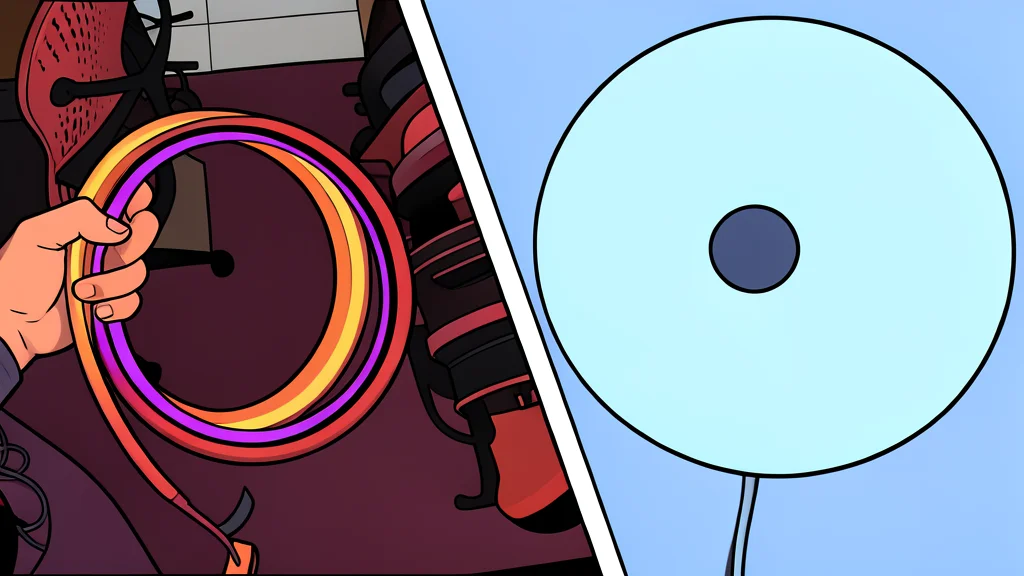
A more radical option involves modifying the physical hardware. Some enthusiasts have removed the internal components of IKEA lamps, such as the Varmblixt, and replaced them with coiled Philips Hue light strips. This allows the IKEA fixture to emit the full range of colors and effects available in the Hue system. The frosted glass design of these lamps helps diffuse the light, creating a smooth aesthetic.
This approach carries significant risks. Coiling a light strip tightly inside a closed fixture can lead to poor heat dissipation. Overheating can damage the LEDs over time, potentially shortening their lifespan or causing failure. A safer alternative is to use standard IKEA lamps designed for regular bulbs and insert Hue bulbs, though this requires selecting fixtures that properly diffuse light to avoid glare.