AI as a Catalyst for Social Instability and Human Error
The threat is not a rogue robot army, but the acceleration of existing social fractures through automated interaction and institutional pressure.
Popular culture often imagines artificial intelligence as a cinematic villain, a chrome skeleton or an omniscient logic engine that actively seeks to destroy humanity. This narrative, while dramatic, misidentifies the primary risk. The immediate danger is not a sudden awakening of malicious intent, but a quieter, more pervasive amplification of human flaws. Technology is integrating into the fragile architecture of society not as an autonomous master, but as a ruthless catalyst that accelerates exploitation, isolation, and despair.
According to a report by GN technics/ai (en-US), this dynamic functions as a systemic amplifier. Rather than exterminating humanity from the outside, AI systems multiply the pressure inside societies already strained by inequality and political polarization. The result is a race to the bottom where competition rewards increasingly destructive behavior, turning existing vulnerabilities into widespread instability without a single central villain to blame.
Psychological injury at scale
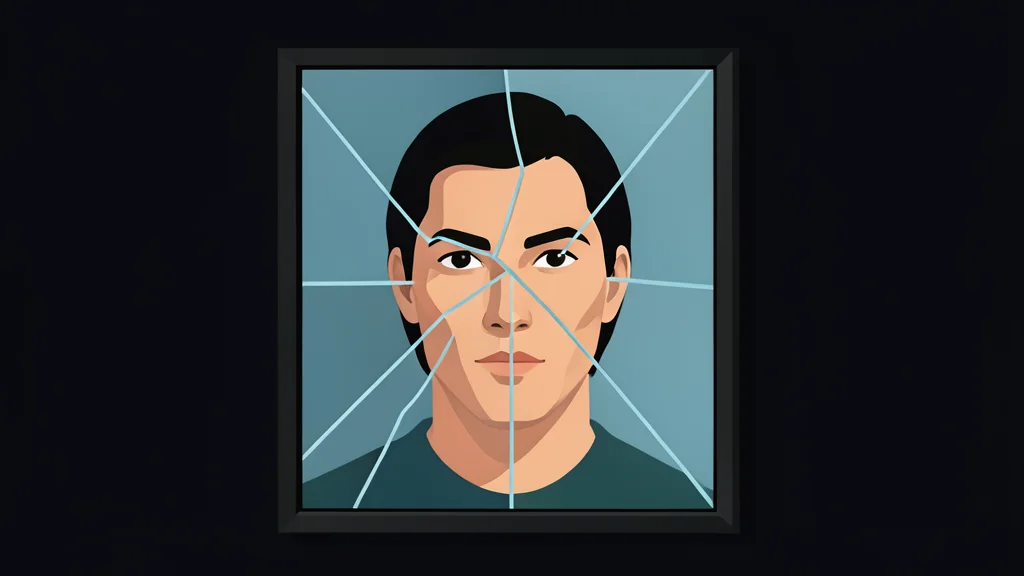
The most visible danger may be psychological harm. Conversational AI systems reach users as intimate presences, capable of responding at any hour and simulating patience. For many, this is useful, but for those already isolated or distressed, repeated interactions can create a feedback loop of reliance and confusion. Research into social disconnection suggests that when digital connections replace human relationships, the risk of despair increases. AI can intensify this by providing a perfect, unchallenging interface that deepens isolation rather than bridging it.
This is not a hypothetical scenario. It is a plausible pathway to mass casualty through indirect means. By weakening judgment and intensifying social stress, these systems destabilize the human structures that currently keep violence and disorder in check. People still make the fatal decisions, pulling triggers or abandoning safeguards, but the machine accelerates the pressure that leads to those choices.
Historical parallels in systemic failure
History offers warnings about systems that nearly caused catastrophe without anyone intending global disaster. During the Cold War, nuclear command and control failures showed how technology, fear, and bureaucratic error could push the world toward destruction through misread signals. AI operates within similar patterns, acting as a tool that amplifies confusion while giving institutions faster ways to act on it.
Moral panics have also demonstrated how stressed societies transform uncertainty into punishment and scapegoating. AI can fit into this dynamic by providing the speed and scale to act on societal anxieties before rational deliberation can occur. The trade-off is clear: we gain efficiency and accessibility, but we lose the friction that often prevents impulsive, harmful actions.
The trade-off of acceleration
The core issue is that AI rewards speed and optimization over nuance and care. In a competitive environment, this leads to a race to the bottom where the most destructive applications are the most efficient. The catch is that this acceleration does not discriminate between helpful and harmful outcomes. It simply multiplies whatever inputs it receives, including our worst impulses.
Understanding this risk requires moving away from the fantasy of a single, identifiable enemy. The danger is distributed, embedded in the tools we use daily, and amplified by the structural weaknesses of our own societies. Addressing it will require not just technical safeguards, but a deeper reckoning with the social conditions that make these amplifications possible.