Six Unconventional Trackers Break the Smartwatch Mold
From a 400-day battery to a hidden blood pressure cuff, six devices offer distinct alternatives to standard smartwatches.
Key points
- The Huawei Watch D3 includes a built-in blood pressure cuff for clinical monitoring.
- The LightInk tracker offers a 400-day battery life using e-ink and solar charging.
- The Jaye band uses a minimalist interface to display only essential notifications.
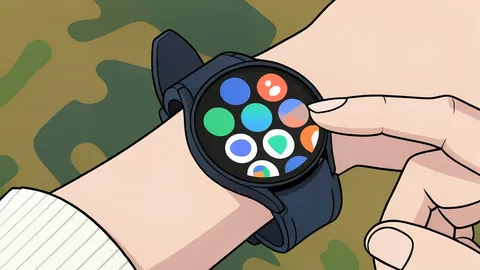
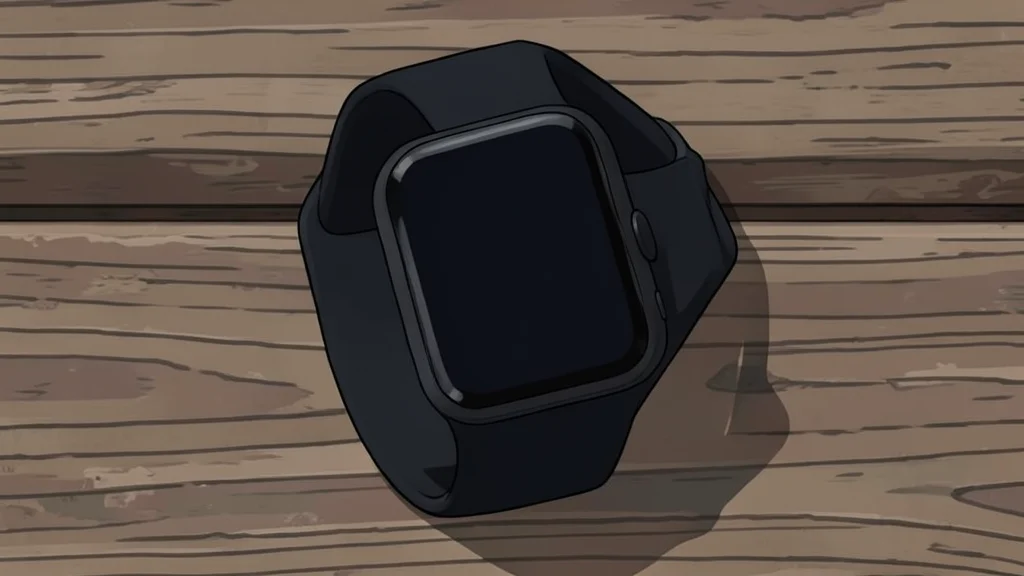
The current market for wrist-worn technology is dominated by sleek, feature-dense smartwatches that often look identical to one another. However, a growing segment of devices is rejecting this uniformity by prioritizing specific niche functions over general-purpose capability. TechRadar recently highlighted six such trackers that diverge significantly from the mainstream, offering users alternatives that range from radically minimalist to mechanically hybrid.
These devices do not aim to replace the smartphone on your wrist with a fully functional computer. Instead, they focus on singular strengths, such as extreme battery life, medical monitoring, or a strict reduction of digital noise. The result is a collection of tools that trade the convenience of a full operating system for longevity, precision, or a familiar analog aesthetic.
Medical and mechanical hybrids
The Huawei Watch D3 presents a significant shift by integrating a blood pressure cuff directly into the strap. This feature moves beyond standard heart rate monitoring to provide clinical-grade data, though it adds bulk to the device. For those who prefer a traditional look, the Garmin Instinct Crossover and Withings Scanwatch 2 offer a different compromise: they combine digital smart features with physical mechanical hands, satisfying users who find pure digital displays impersonal.
Minimalism and extreme endurance
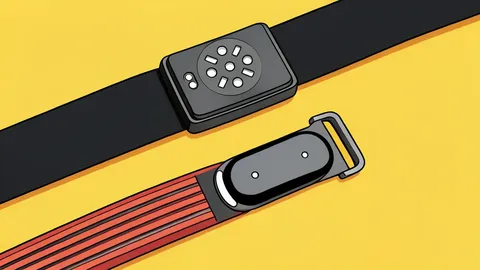
At the other end of the spectrum, the Jaye band strips away almost all functionality to display only critical notifications. This approach is designed to minimize distraction by refusing to show social media or complex apps. Meanwhile, the LightInk takes endurance to an extreme level, boasting a 400-day battery life. This is achieved by using a low-energy e-ink display and solar charging, though it requires sacrificing the vibrant colors and instant responsiveness of standard AMOLED screens.
The trade-offs of differentiation
Choosing one of these specialized trackers requires accepting specific limitations. The Jaye band offers peace from digital overload but lacks the versatility of a standard smartwatch. The LightInk provides months of use without charging but relies on an open-source model that may require technical tinkering to fully utilize. As noted by TechRadar, these devices break the mold by accepting that not every user needs a miniature computer on their wrist, opting instead for tools that do one thing exceptionally well.