Luna Band vs Fitbit Air: Price and Feature Comparison
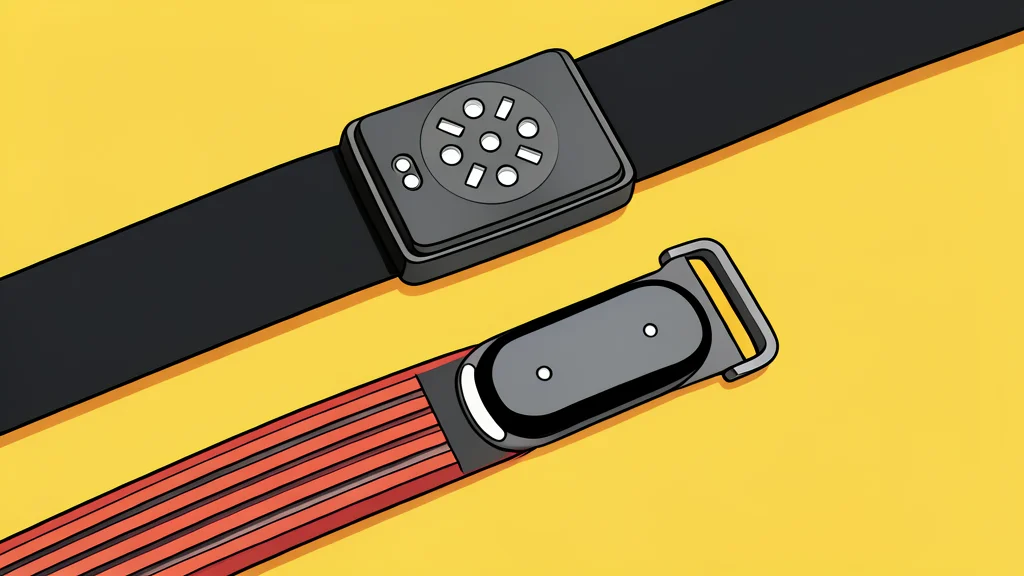
A new fitness tracker challenges the market leader by offering all features without a monthly subscription, though it costs more upfront and is heavier to wear.
The fitness tracker market is seeing a new contender in the form of the Luna Band, which positions itself as a direct rival to the popular Fitbit Air. Both devices are screenless, affordable, and designed for users who want simple health insights without the complexity of a smartwatch. However, they approach the user experience and long-term cost in fundamentally different ways.
According to recent reports from GN auto tech/wearables, the Luna Band splits the difference in price between the budget-friendly Fitbit Air and the pricier Garmin Cirqa. While the Fitbit Air appeals to those seeking the lightest possible device, the Luna Band prioritizes comprehensive feature access and battery longevity, creating a distinct trade-off for consumers deciding between upfront cost and lifetime value.
Subscriptions define long-term costs
The most significant financial difference lies in how advanced features are accessed. The Fitbit Air requires a monthly or annual subscription for Google Health Premium to unlock deeper insights, costing roughly $100 per year. Similarly, Garmin users must pay for Connect+ to access certain advanced metrics. In contrast, the Luna Band advertises that all its features, including AI-driven health insights, are free for the life of the device.
This means that while the Luna Band has a higher sticker price, the total cost of ownership may end up being lower for users who rely on advanced analytics. The Fitbit Air’s lower entry price is offset by recurring fees, making the Luna Band’s one-time purchase model more predictable for budget-conscious buyers who want full functionality without ongoing commitments.
Weight and comfort trade-offs
Physical comfort is a major selling point for the Fitbit Air, which weighs only about 14 grams. Its narrow strap and compact design make it nearly unnoticeable during sleep or intense workouts. The Luna Band, at approximately 26 grams, is significantly heavier and bulkier, which may be a deterrent for users sensitive to the feel of a wristband.
While the Garmin Cirqa sits in the middle at 22 grams, the Fitbit Air remains the clear winner for minimalists. The Luna Band’s added weight likely stems from its larger battery and more robust haptic system, but for those who prioritize a lightweight feel above all else, the Fitbit Air is the superior choice.
Battery life and notification styles
The Luna Band claims a battery life of up to ten days per charge, outperforming the Fitbit Air’s seven days. This is a notable advantage for users who dislike charging their devices frequently, though independent verification of these claims is still pending. The Fitbit Air’s shorter battery life is a common complaint, even among satisfied users.
Notification handling also differs. The Fitbit Air uses haptics primarily for smart alarms, whereas the Luna Band employs vibrations for health alerts, general notifications, and movement reminders. This makes the Luna Band more interactive and potentially more useful for users who want active nudges to stand or move, while the Fitbit Air remains more passive.