Solar Charging Extends Battery Life for Trail Athletes

A new solar-powered smartwatch offers a practical solution for long-duration outdoor activities by significantly extending battery life, though it requires accepting a trade-off in screen vibrancy.
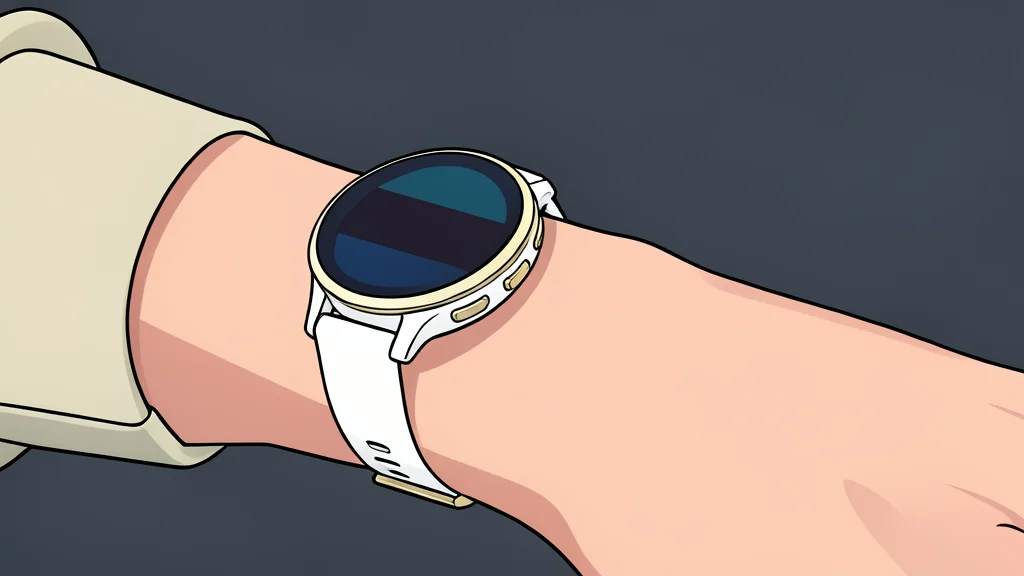
For athletes spending extended periods away from power outlets, the primary concern with modern smartwatches is often how long the battery will last. The Garmin Fenix 9 Pro Solar addresses this by integrating a solar charging ring into its design, allowing the device to harvest energy from ambient light. This feature is particularly relevant for trail runners and ultra-distance athletes who may be in the field for days at a time.
According to a recent report from GN auto tech/wearables: fitness tracker, a tester covered 180 miles over three weeks and charged the device only once. This level of endurance is achieved through a combination of solar input and a specific display technology that prioritizes efficiency over visual flair. The result is a watch that remains functional in remote areas without the constant anxiety of a dying battery.
Solar ring boosts endurance
The solar ring is embedded in the titanium bezel of the watch. It captures sunlight and even diffuse light from cloudy conditions to trickle-charge the internal battery. This continuous top-up means that under normal training conditions, the need for manual charging becomes rare. The system provides enough power headroom to keep additional features active without significantly draining the reserve.
However, solar charging is not a magic solution. It depends entirely on environmental conditions. During periods of low activity or poor weather, the solar input drops, and the battery will still deplete. Users must still monitor their energy levels, but the margin of safety is considerably wider than with standard smartwatches that rely solely on internal battery capacity.
Display trade-offs prioritize clarity
To support this extended battery life, the device uses a memory-in-pixel display rather than the high-resolution AMOLED screens found on other models. This type of screen is highly readable in bright sunlight, which is a common challenge for outdoor athletes. It remains legible in various lighting conditions, from direct sun to dim indoor settings, without requiring the user to adjust brightness settings frequently.
The trade-off for this clarity is a less vibrant visual experience. The screen does not offer the deep blacks or colorful imagery associated with modern smartphone displays. For users accustomed to bright, colorful interfaces, the aesthetic may feel dated. However, for those who prioritize function and readability in harsh outdoor environments, this limitation is a reasonable compromise for the gain in reliability.
Satellite features enhance safety
Beyond battery life, the watch includes satellite communication capabilities. This allows users to send and receive messages and trigger emergency SOS signals without relying on cellular service. This is a critical feature for runners who venture into areas with poor phone coverage. The ability to communicate directly via satellite provides a layer of safety that standard smartwatches do not offer.
These features are particularly useful for solo athletes who may be far from help. The integration of satellite technology into a wrist-worn device reduces the need to carry a separate satellite messenger. While this adds cost and complexity to the device, it consolidates essential safety tools into a single piece of equipment, simplifying gear management for long trips.