Local Zigbee Control Eliminates Smart Home Latency
Switching from cloud-dependent Wi-Fi bulbs to local Zigbee devices removes network congestion and ensures instant, reliable lighting control without relying on external servers.
Many homeowners have abandoned cloud-based smart lighting after experiencing frustrating delays and network instability. The core issue is that standard Wi-Fi bulbs rely on a complex chain of external servers to perform basic tasks like turning on a light. This dependency creates a system where a simple action can take several seconds to register, often failing if the internet connection wavers or the vendor’s servers experience downtime.
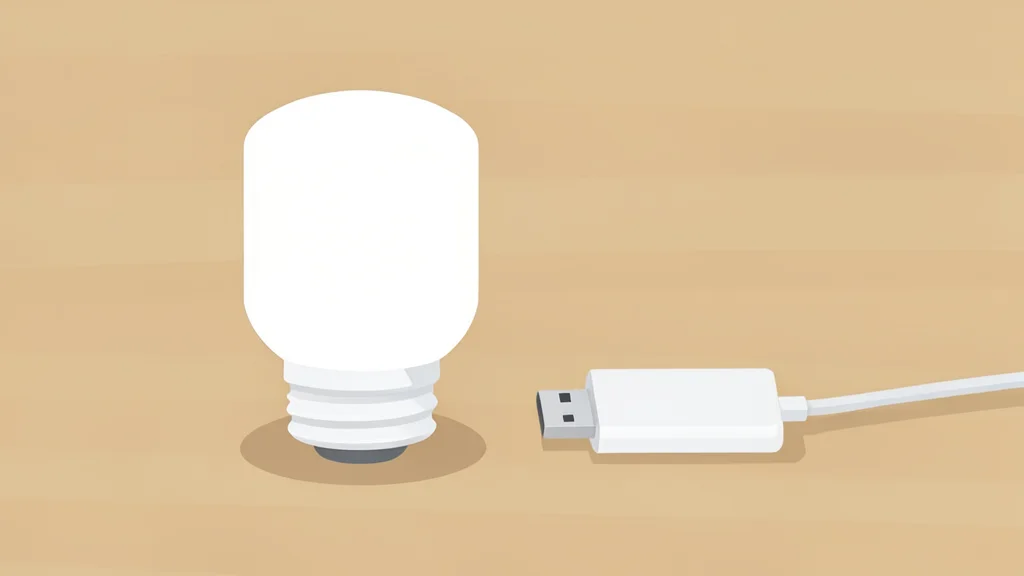
An alternative approach uses Zigbee technology, which operates independently of the internet. By connecting bulbs directly to a local USB coordinator, the system bypasses corporate cloud infrastructure entirely. This shift allows for instant response times and eliminates the wireless congestion that occurs when numerous devices compete for bandwidth on the same Wi-Fi channels, resulting in a more stable and private smart home environment.
Wi-Fi Bulbs Congest Home Networks
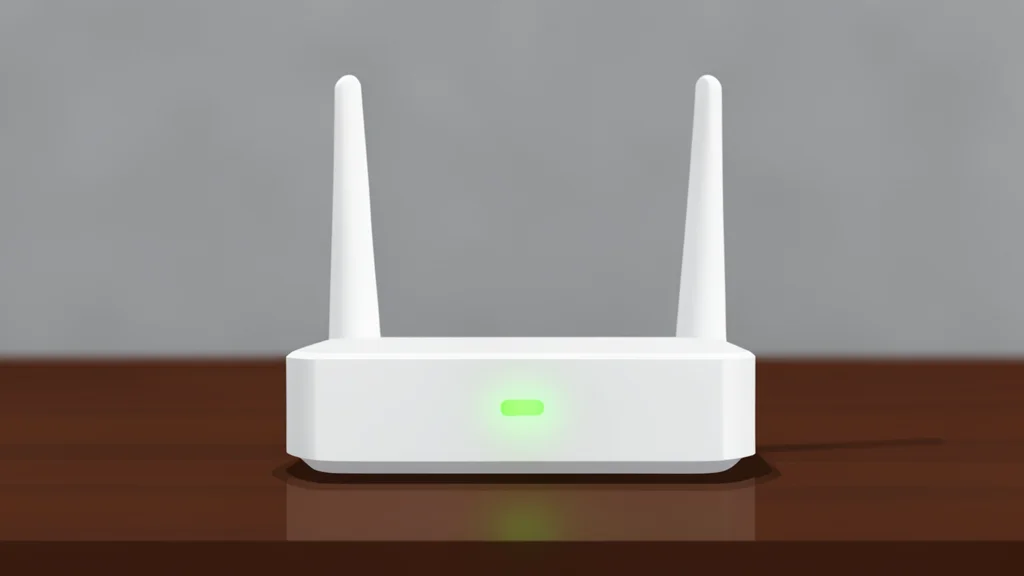
Standard Wi-Fi smart bulbs require significant network resources to function, even for simple commands. Each device must maintain active connections, perform security handshakes, and send keep-alive signals to stay online. When dozens of these devices operate simultaneously, they saturate the 2.4 GHz frequency band, which is also used by laptops, phones, and streaming services. This competition for bandwidth can slow down primary internet activities and cause buffering or dropped connections.
The reliance on cloud infrastructure introduces additional latency and vulnerability. A command to turn on a light travels from the user’s device to a vendor’s application, then to a distant data center, and finally back to the local router and bulb. Any interruption in this chain, such as a server outage or a temporary internet drop, renders the lighting system inoperable. This creates a fragile setup where basic household functions are hostage to external technical failures.
Zigbee Mesh Enhances Network Reliability
Zigbee technology addresses these limitations by using a local mesh network structure. Instead of every device talking to a central router, Zigbee bulbs act as repeaters, passing data to one another until it reaches the coordinator. This self-healing network becomes more robust as more devices are added, ensuring that signals can find alternative paths if one node is obstructed or powered down. The data packets are small and efficient, allowing for rapid communication without the overhead associated with standard internet protocols.
This local architecture also promotes interoperability and longevity. Certified Zigbee devices can communicate with various open-source home automation platforms without requiring proprietary vendor apps or accounts. This reduces the risk of hardware becoming obsolete if a manufacturer discontinues support for a specific cloud service. As reported by XDA Developers, this decoupling from corporate servers ensures that the lighting system remains functional and secure, regardless of external software changes or service terminations.
Instant Automations Improve User Experience
The most noticeable benefit of local control is the speed of response. With Zigbee, automation triggers execute in milliseconds rather than seconds. For example, a motion sensor in a hallway can signal a bulb to turn on almost instantly, mimicking the behavior of a traditional physical switch. This eliminates the awkward pause where a user stands in the dark waiting for the light to register, providing a seamless and intuitive user experience.
Ultimately, the trade-off for switching to Zigbee is the initial setup complexity and the need for a dedicated coordinator device. However, for users who prioritize reliability, privacy, and network stability, the benefits outweigh the inconvenience. The system offers a resilient, air-gapped lighting solution that performs consistently without the risk of cloud outages or network saturation, making it a superior choice for long-term smart home integration.