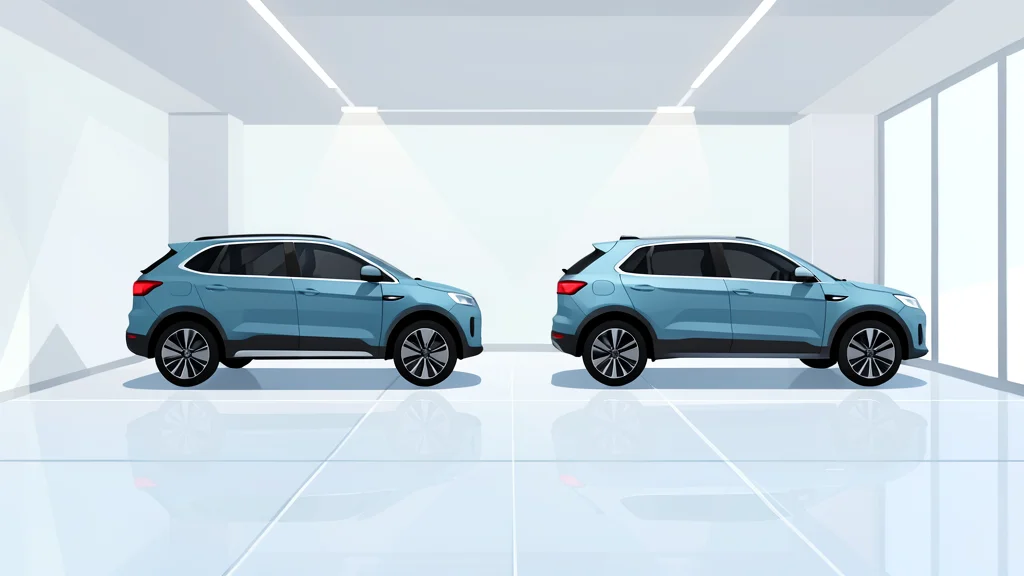
Volvo Plans Seven New North American Models by 2030

Volvo is shifting its strategy to include more hybrids and traditional body styles for the North American market, signaling a move away from its previous all-electric pledge.
Volvo has outlined a significant expansion of its vehicle lineup for North America, planning to introduce seven new models by 2030. This strategic shift moves the brand away from its earlier commitment to become an exclusively electric automaker by the end of the decade. Instead, the company is prioritizing a diverse mix of powertrains, including next-generation hybrids and plug-in variants, to better align with current consumer demands and market realities.
The announcement, detailed in an investor presentation reported by GN auto tech/ev: electric vehicle, indicates that Volvo is responding to the complex economic landscape. While electric vehicles remain a core part of the future, the inclusion of hybrid options suggests a pragmatic approach to maintaining sales volume. This decision reflects a broader industry trend where manufacturers are recalibrating their timelines to accommodate infrastructure limitations and price sensitivity among buyers.
Hybrids Join The Electric Fleet
The company’s forward-looking plan explicitly includes hybrid-powered vehicles well into the next decade. This is a notable departure from its 2021 pledge to phase out internal combustion engines. By keeping hybrids in the mix, Volvo aims to offer customers flexibility, particularly in markets where charging infrastructure may still be developing. The brand identifies opportunities for next-generation hybrid technology as a key driver for growth in the United States.
However, this strategy comes with trade-offs. Relying on hybrid powertrains means Volvo must continue to invest in complex mechanical systems alongside its electric platforms. Additionally, the company has flagged tariffs and regulations as critical factors in its U.S. market analysis. These external pressures could impact pricing and availability, making the hybrid offering a necessary buffer against regulatory uncertainty and trade barriers.
Return Of Traditional Body Styles
Beyond powertrains, Volvo is also diversifying its vehicle shapes. The investment document mentions work on new "low body types," a term that strongly suggests the return of sedans or station wagons. For years, the market has been dominated by SUVs and crossovers, but Volvo is looking to recapture interest in lower, more aerodynamic designs. This move could appeal to buyers who find tall vehicles less practical for everyday driving or who prefer a traditional driving posture.
The focus on varied body types is strategic. By not limiting itself to the SUV segment, Volvo can target a wider range of customer preferences. This diversification helps mitigate the risk of over-reliance on one vehicle category. It also allows the brand to leverage its heritage in safety and design, which has historically resonated well with wagon and sedan enthusiasts in North America.
Regulatory Challenges In The U.S.
The path to bringing these new models to North America is not without hurdles. Volvo’s materials highlight significant concerns regarding tariffs and regulatory frameworks in the United States. The recent exclusion of its sister brand, Polestar, from the U.S. market due to data privacy allegations adds another layer of complexity. This situation raises questions about the long-term stability of Volvo’s North American operations and its relationship with U.S. authorities.
For Canadian consumers, the situation is particularly nuanced. With ongoing discussions about Canada’s potential association with the European Union, there is speculation that Volvo might prioritize a different mix of models for Canada than for the U.S. While the U.S. market faces strict regulatory scrutiny, Canada may offer a more stable environment for integrated technologies and hybrid adoption. This divergence could lead to a more robust lineup in Canada, potentially including models that are restricted or delayed in the American market.