Teen's Radar Wearable Detects Rear Traffic
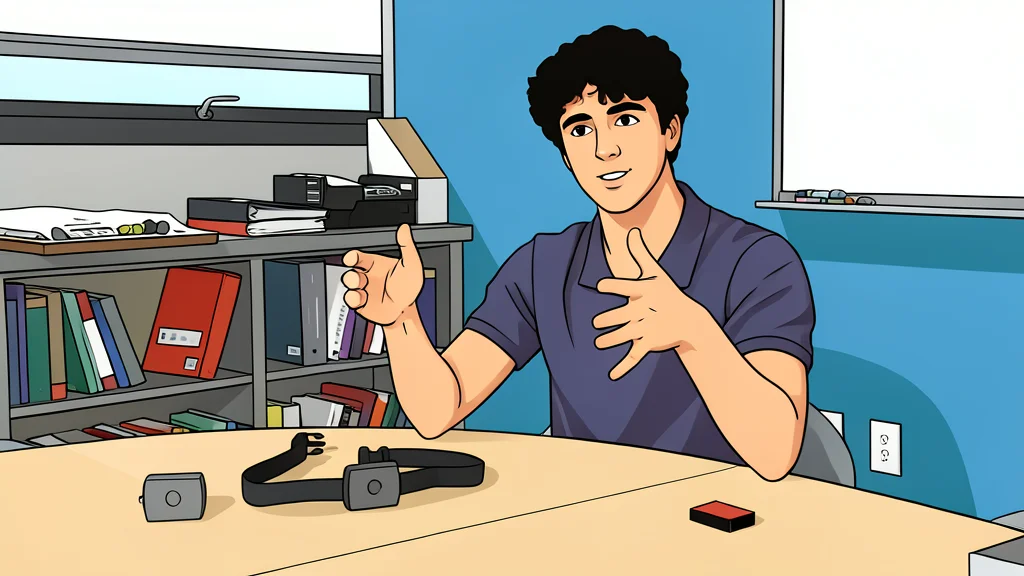
A 17-year-old developer created a wristband that warns pedestrians of unseen vehicles using radar technology.
Key points
- Cavon Hajamiri developed Hindsight, a wearable radar device that warns pedestrians of vehicles approaching from behind.
- The device provides approximately seven seconds of early warning through beeps, vibrations, and smartphone alerts.
- The invention is currently a patent-protected prototype undergoing pilot testing, not yet available for commercial purchase.
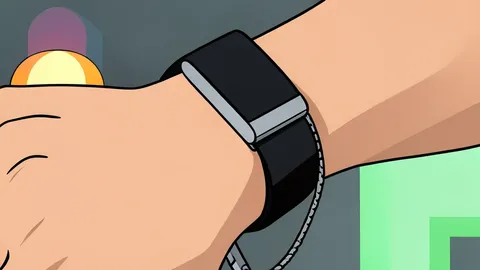
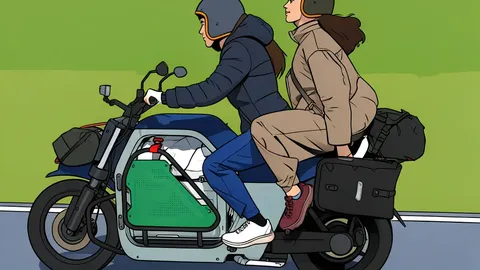
Cavon Hajamiri, a 17-year-old student in Pasadena, California, has developed a wearable device designed to protect pedestrians from unseen traffic. The gadget, named Hindsight, uses radar technology to detect vehicles approaching from behind, addressing a common blind spot for people walking on streets without sidewalks.
According to The Times of India, Hajamiri began working on the project after suffering multiple near-misses while walking near his home. Unable to find an existing product that offered adequate protection, he spent four years refining the prototype to provide real-time alerts through sound and vibration.
Radar Technology Provides Early Warning
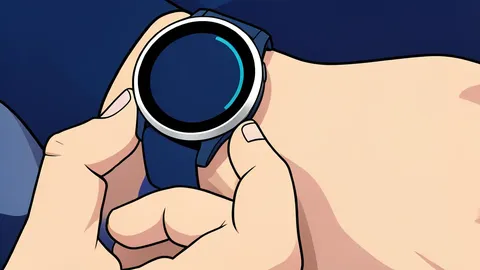
The device functions by scanning the area behind the wearer for movement. When it identifies a potential hazard, it triggers a multi-channel alert system. This includes audible beeps, physical vibrations, and audio signals sent to connected headphones or smartphones.
Hajamiri aims to give users approximately seven seconds of advance notice. This window is intended to allow pedestrians enough time to react, such as moving to a safe location or becoming aware of the vehicle's presence. The warning time can vary based on the speed of the approaching object and environmental conditions.
Distinguishing Real Threats From Noise
Developing a reliable radar sensor for a wearable presents significant technical challenges. The system must differentiate between a vehicle approaching and the natural movements of the person wearing it. Over several iterations of the hardware and software, Hajamiri worked to reduce false positives and improve accuracy in real-world settings.
The prototype has received recognition at various science and engineering competitions. While the project has secured patent protection for its specific technical ideas, this does not guarantee commercial availability. A patent documents the invention but does not replace the need for independent safety testing or mass production readiness.
Prototype Status Limits Current Availability
Currently, Hindsight remains a prototype rather than a consumer product available for purchase. Hajamiri’s next step is to conduct a pilot program with a wider group of users. This phase will help determine how the device performs in diverse everyday environments and how users respond to its alerts.
The long-term impact of the invention depends on the success of these trials. If the device proves effective in reducing pedestrian accidents, it could offer a practical solution to a persistent urban safety issue. However, widespread adoption will require further validation of its reliability and safety standards.