GM Starts Putting Recycled Battery Materials into New EVs
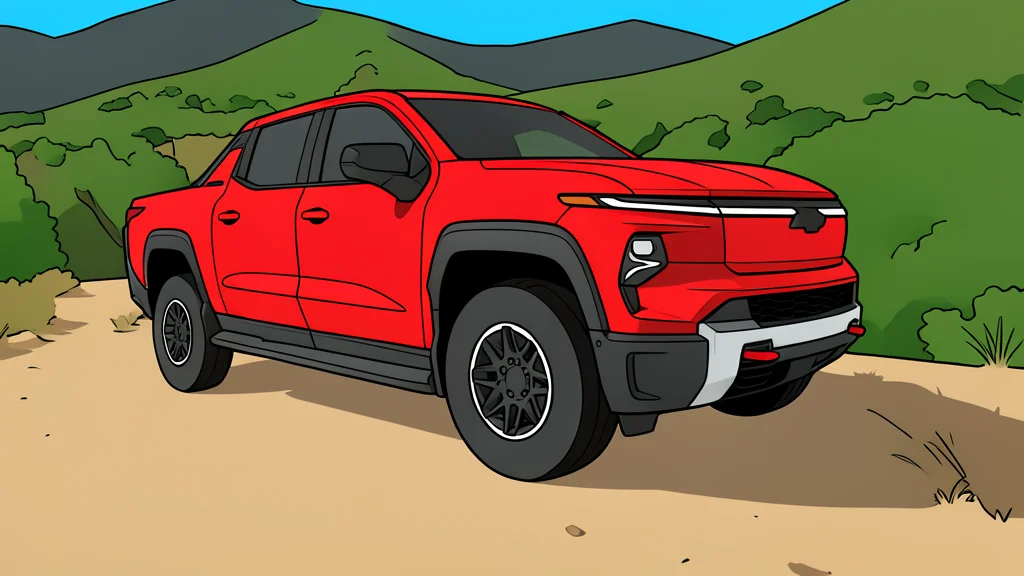
General Motors has begun using recovered materials from old EV batteries to power new Cadillac and Chevy models.
Key points
- GM has begun producing EVs with batteries containing materials recycled from end-of-life vehicles.
- The pilot program recovered enough material to create 12 metric tons of new cathode active material.
- Recycled battery cells are being installed in Cadillac, Chevy, and GMC production models.
General Motors has started installing batteries made with recycled materials into new electric vehicles. The company announced Tuesday that it has moved beyond the laboratory stage, with these cells now powering production models like the Cadillac Lyriq and the Chevrolet Silverado EV.
This initiative marks a significant step toward a closed-loop supply chain. By recovering critical metals from end-of-life batteries, GM aims to reduce the environmental impact of mining while potentially stabilizing the high costs associated with battery production.
Recovering metals from old cells
The process involves breaking down used batteries to extract a dark powdery mixture known as black mass. This material contains valuable elements such as nickel, cobalt, and manganese. GM worked with recycling partner Cirba Solutions to process 80 end-of-life batteries as part of a pilot program.
However, the black mass is not immediately usable. It requires chemical processing to convert the raw metals into cathode active material. This cathode is the component that determines how a battery stores and releases energy. The recovered materials were processed into 12 metric tons of new cathode material, which was then used to build fresh battery cells.
Performance matches virgin material
A key concern for manufacturers is whether recycled components can meet strict safety and performance standards. GM states that the new cells performed identically to those made from newly mined, or virgin, materials. According to Kurt Kelty, the vice president of battery and sustainability at GM, the recycled cathode material was validated to the same high quality and safety standards required for all electric vehicles.
This assurance is critical for consumer confidence. It indicates that drivers do not need to worry about reduced range or safety risks due to the origin of the battery materials. The successful integration of these cells into mainstream models like the GMC Sierra EV demonstrates that the technology is ready for commercial use, not just experimental testing.
Industry shift toward circularity
GM is not acting alone in this transition. Other automakers like Porsche and Rivian are also exploring battery recycling and second-life applications. Porsche plans to use recycled materials in production cells by 2028, while Rivian is using old batteries for energy storage at its factories. Tesla has also reported recycling thousands of metric tons of material last year, feeding it back into its supply chain.
Before recycling, many batteries find a second life in energy storage systems. GM is working with Redwood Materials to deploy roughly 10,000 used EV batteries for this purpose. Only after these batteries are no longer useful for storage are they broken down for material recovery. This two-step approach maximizes the utility of the battery before its components are repurposed.